
FORUM: "Celebrate, create and make a difference.'' International Chess Day 2026. Every year, the global chess community comes together to celebrate chess and to mark the founding of FIDE in 1924. More than a commemoration of the game’s history, the day is a celebration of chess’s unique ability to connect people across countries, cultures and generations. To play chess; Choose someone close to you. You can change somebody’s life by teaching him/her a beautiful game, but you will also be spending some quality time and creating or reinforcing a special bond with that person. If your children already play, maybe you can invite your nephew or your son’s best friend. Maybe you can finally teach your boyfriend how to play, or your high-school best mate. Or you could propose this as an after-work activity with your colleagues at the office. You can start using the hashtag #Internationalchessday in your social media posts during the weekend leading to July 20th. But the very important day is Monday: please make sure to make at least one or two posts with the official hashtag, if possible early in the morning. That will ensure that other users will follow.

EVENTS: This Tuesday, July 20th, we will celebrate International Chess Day 2026. As you probably know, this date also marks FIDE’s 102nd anniversary. This year, FIDE invited players, federations, clubs, schools, organisers and chess enthusiasts around the world to celebrate by taking chess beyond the traditional playing hall. The challenge was simple: stage a game in the most unusual, meaningful or symbolic place imaginable – whether on a mountaintop, beside a famous landmark, underwater or anywhere else that captures the imagination. From historic monuments and tropical beaches to schools, village squares and community centers, people from every corner of the world demonstrated that no event is too large or too small to celebrate the game. Every chessboard setup, every new player welcomed and every story shared reinforced chess’s power to unite, inspire and create positive change. Register to participate!

Chess has no age – Sri Lanka
One of the most touching submissions came from Sri Lanka, where FIDE Arbiter and photographer Navod Nethsara created a photo series entitled Chess Has No Age.
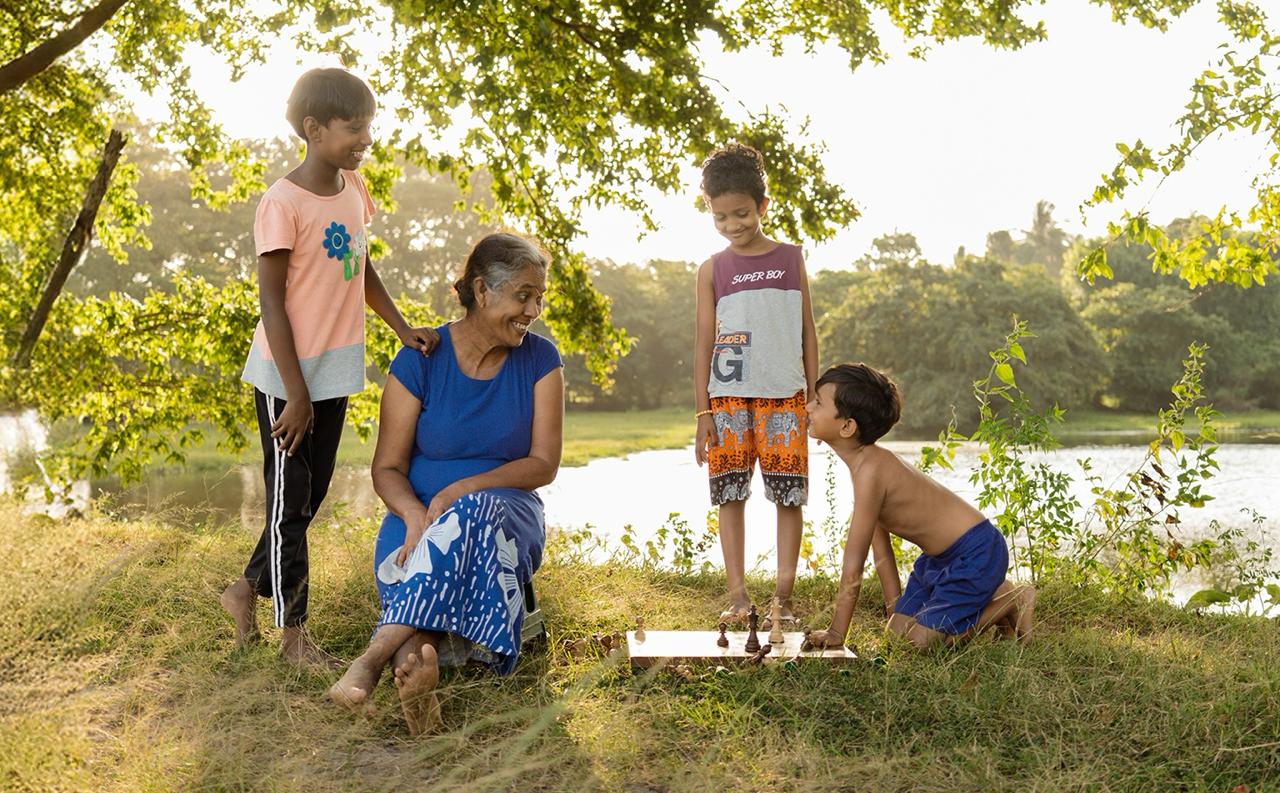
Set in a rural Sri Lankan village, the story begins with a young child playing chess against an elderly woman. As the game progresses, more children gather around the board, gradually becoming part of the experience. The photographs beautifully illustrate how chess transcends generations, bringing together young and old through a shared passion for the game.
Celebrating tradition on the shores of the Maldives
The Maldives showcased Raazuvaa, the country’s traditional counterpart to modern chess. Played with culturally distinctive pieces, the centuries-old game reflects the rich heritage of the islands while sharing the same spirit of strategy and intellectual challenge.
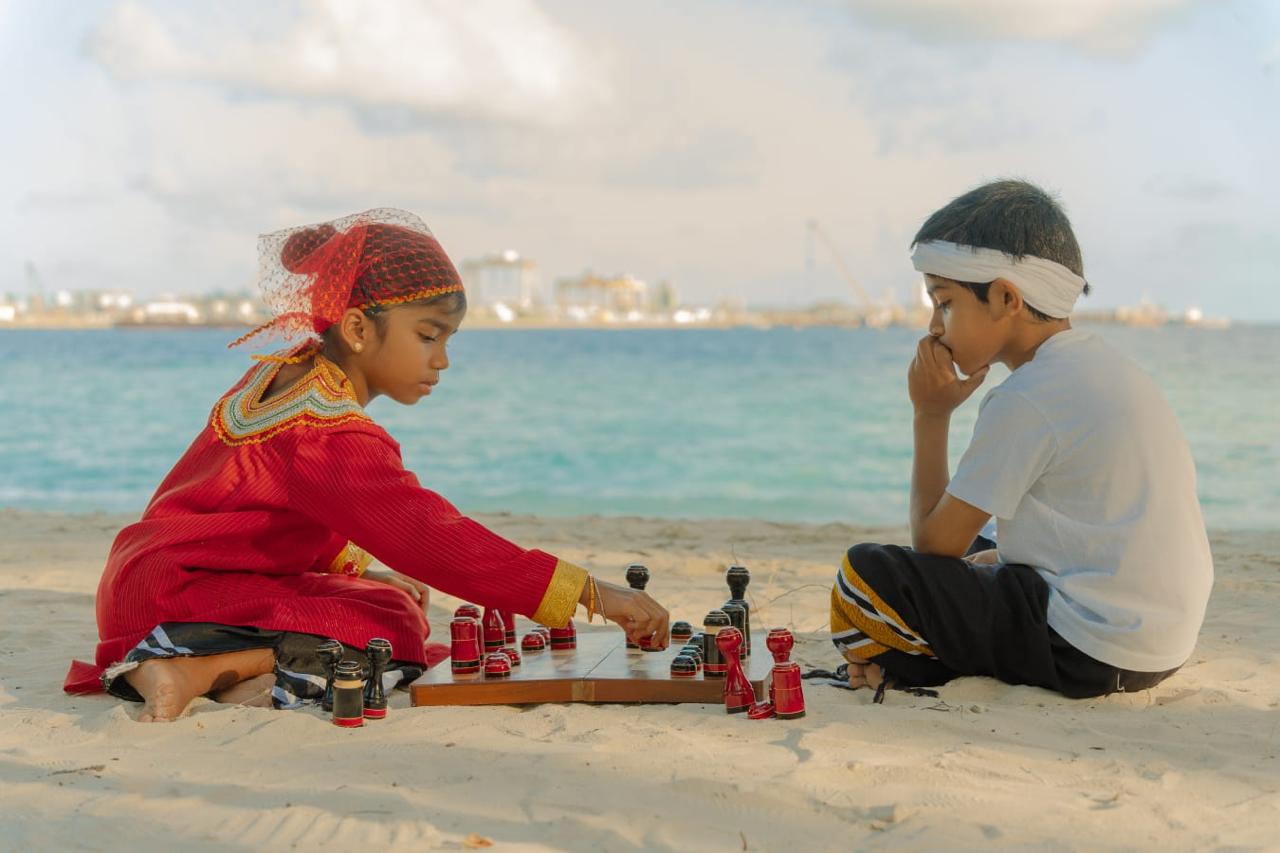
Against the stunning backdrop of white sandy beaches and turquoise waters, the photographs also celebrated another important story: the growing success of women in Maldivian chess. While the country’s chess community continues to develop, female players are leading the way, breaking barriers and achieving remarkable results.
Chess among centuries of history – Pakistan
In Pakistan, players gathered at the magnificent Qila Kohna Qasim Bagh in Multan, one of the world’s oldest continuously inhabited cities.
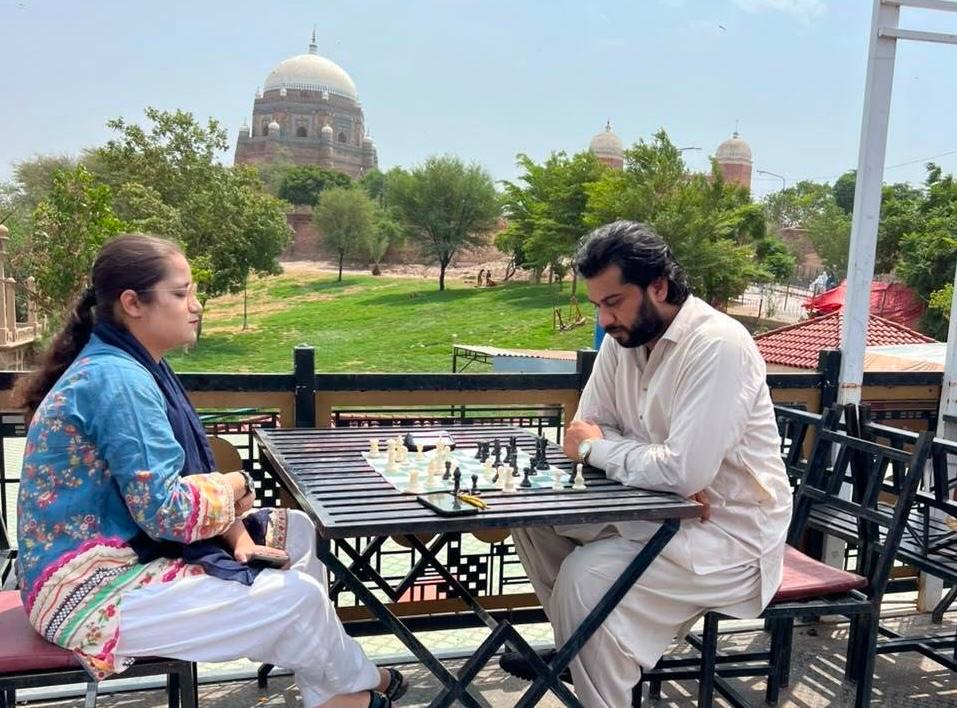
Surrounded by centuries of history, participants demonstrated strategy, patience and creativity while celebrating the timeless appeal of chess. The event also encouraged young people to embrace the game as a pathway to critical thinking and lifelong learning.
Inspiring the next generation – India
Across India, International Chess Day became a celebration of learning.
In West Bengal, Filix School of Education and the Purulia Chess Association marked the occasion by launching the Filix Chess Club, providing young players with new opportunities to develop analytical thinking, concentration and sportsmanship.

Meanwhile, at EuroKids Balurghat School, even the youngest children joined the celebration. Through playful activities, they discovered how knights move, how pawns become powerful and how every game develops patience, focus and imagination. As the school proudly joked, “Watch out, Magnus Carlsen – the next generation of genius is on its way.”
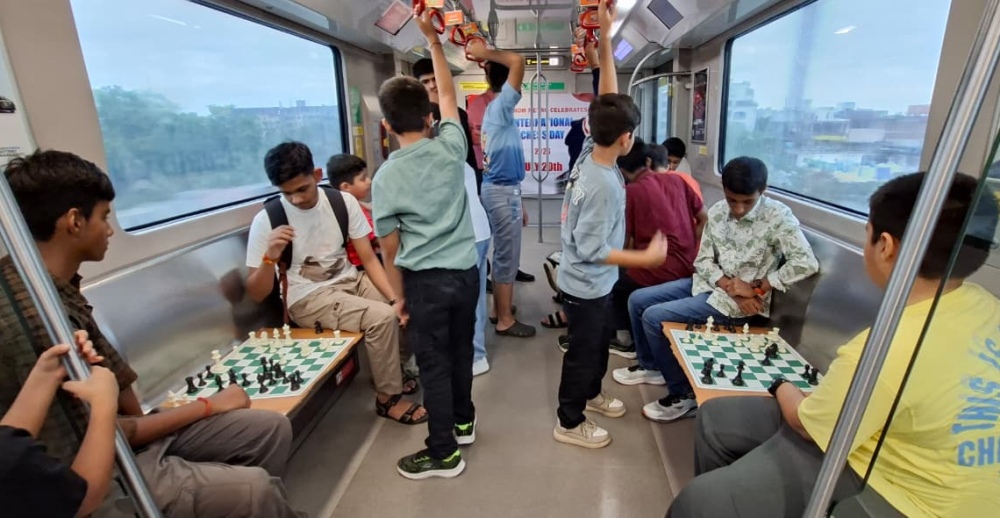
On the occasion of International Chess Day, Lucknow Metro in Uttar Pradesh hosted the Chess on Wheels event, where young chess enthusiasts participated in an exciting speed chess tournament while traveling from Munshipulia to Hazratganj Metro Station.
Building stronger communities – United Kingdom
The town of Rugby in the United Kingdom hosted an inclusive International Chess Day celebration that brought together school champions from across the Midlands.
Supported by Chess in Schools and Communities coach Anthony Mathurin, the event highlighted chess as a universal language that transcends age, language and physical ability. Mayor Nooria Sayani connected the celebration with her annual theme of community, compassion and cohesion, emphasising how chess encourages critical thinking, resilience and meaningful connections between people in an increasingly technological world.
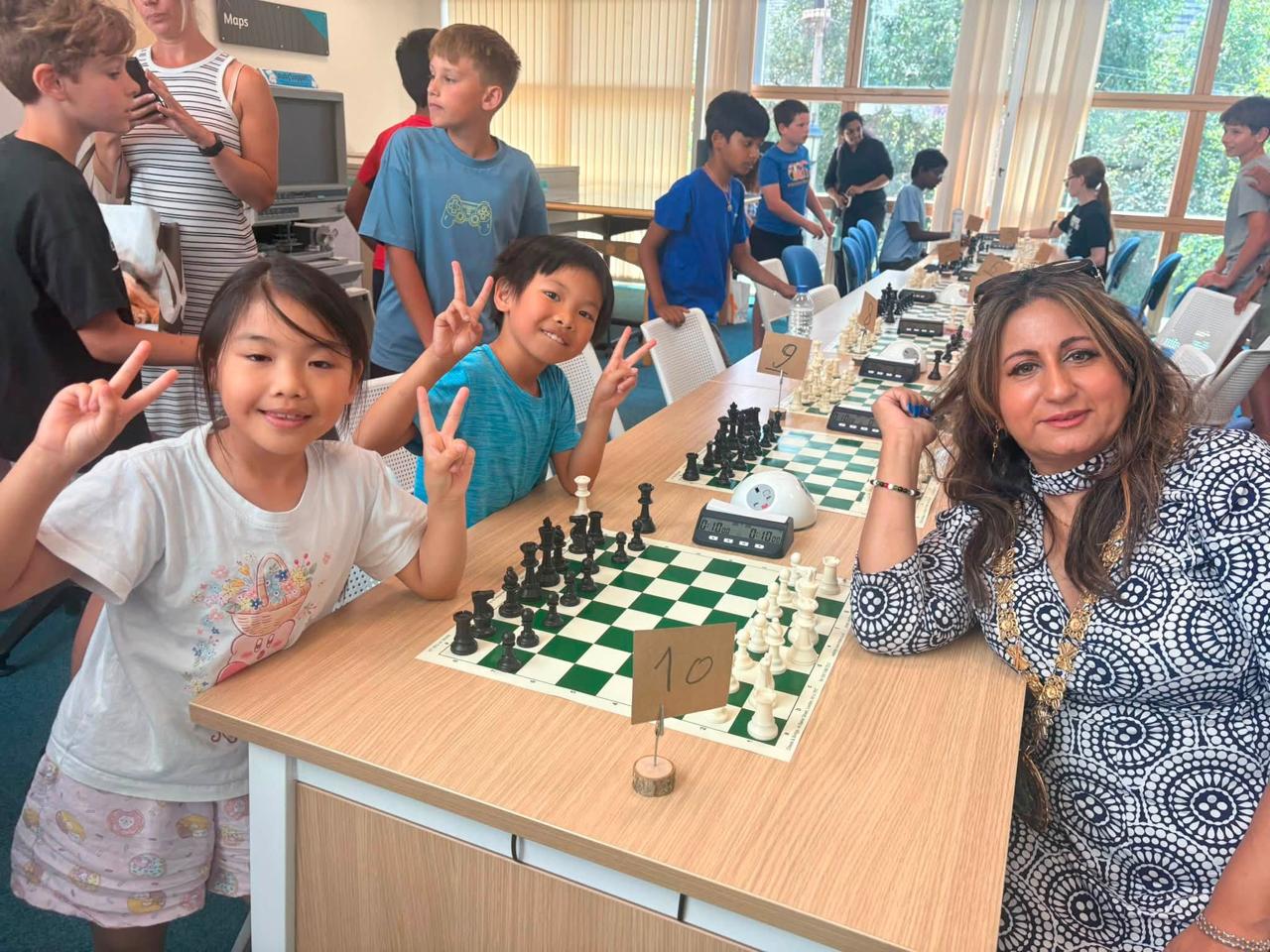
The festivities even showcased the growing popularity of chess boxing in Rugby – a unique discipline combining mental strategy with physical endurance.
Changing lives through chess – South Africa
At Kagisono Combined School in Soutpan, South Africa, educator and coach Thato Lempe shared how chess has become a powerful educational tool.
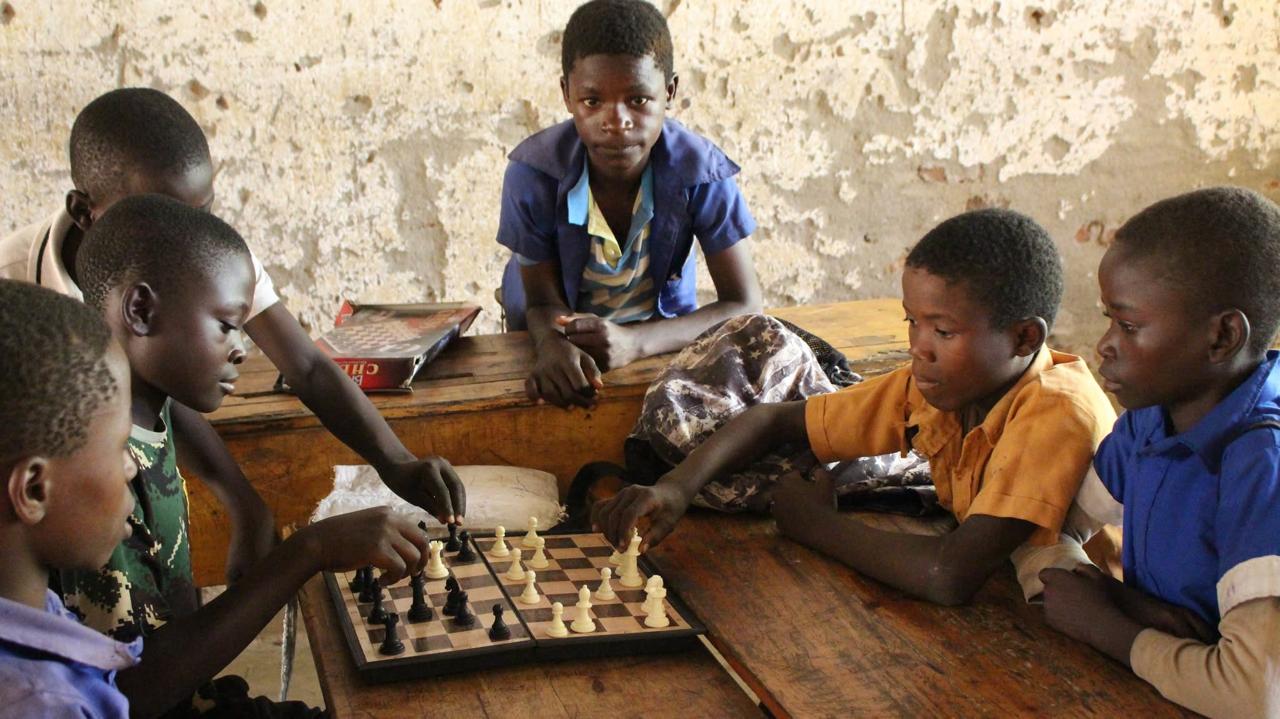
Recognising that not every learner thrives in traditional classroom settings or physical sports, he introduced chess to help develop focus, discipline and resilience. His vision extends far beyond competition: he hopes to create a school where chess achievements are celebrated alongside sporting success, empowering learners to become confident thinkers, leaders and problem-solvers.
Festivals, public squares and historic churches
International Chess Day was also celebrated in many other remarkable locations.
In Ireland, the Sligo Chess and Culture Festival transformed Queen Maeve Square into a vibrant meeting place for chess and culture.
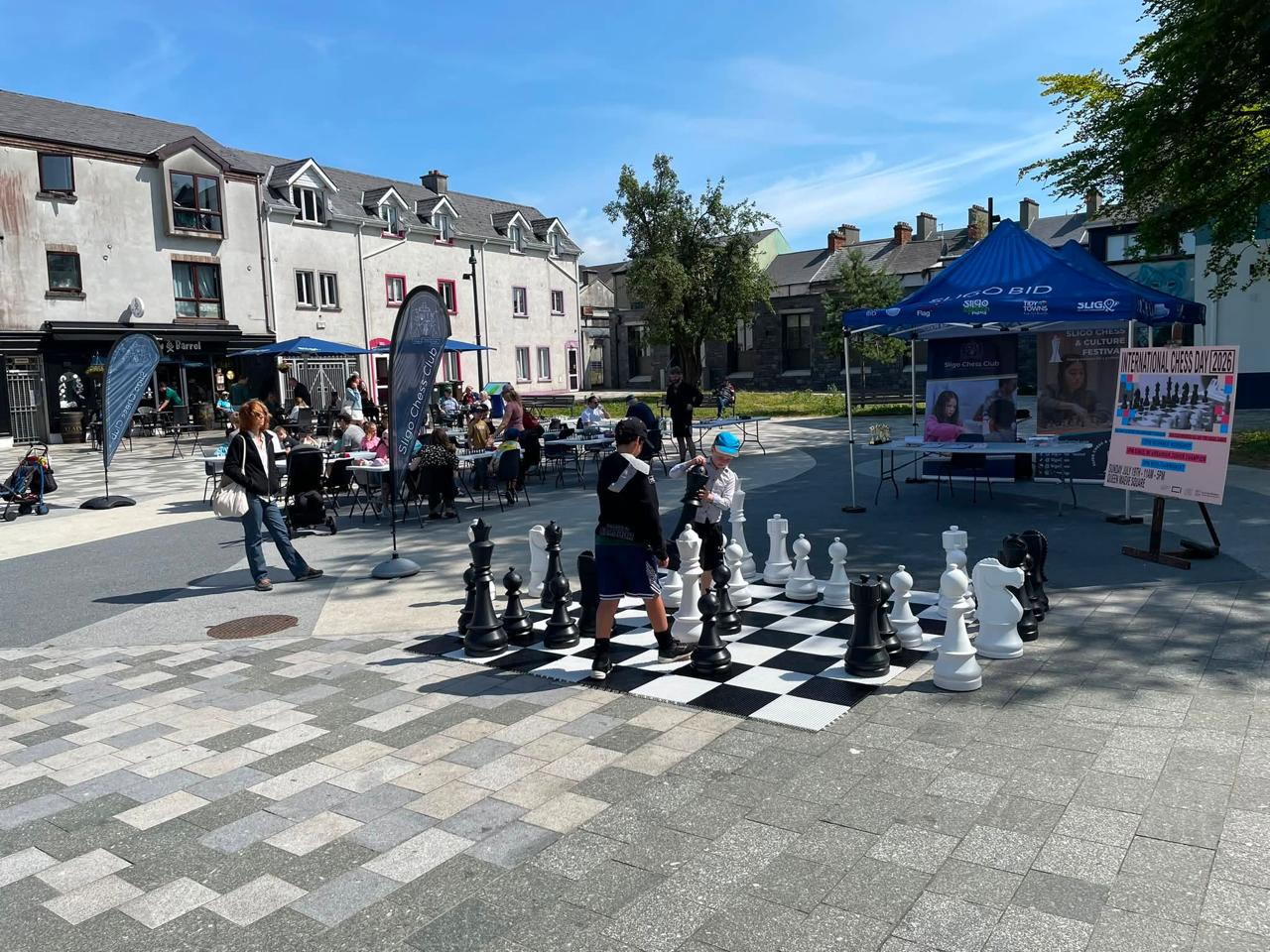
In Spain, chess found a unique setting inside the beautiful Romanesque Church of Nuestra Señora de la Asunción in Duratón, where history, architecture and the game came together in an unforgettable atmosphere.
The Mongolian chess family and chess enthusiasts celebrated International Chess Day at the iconic Sükhbaatar Square in Ulaanbaatar. Initiated by Gombojav Zandanshatar, President of the Mongolian Chess Federation, the festivities brought together players of all ages and backgrounds, showcasing chess as a game that unites communities, inspires future generations, and promotes friendship and mutual understanding.
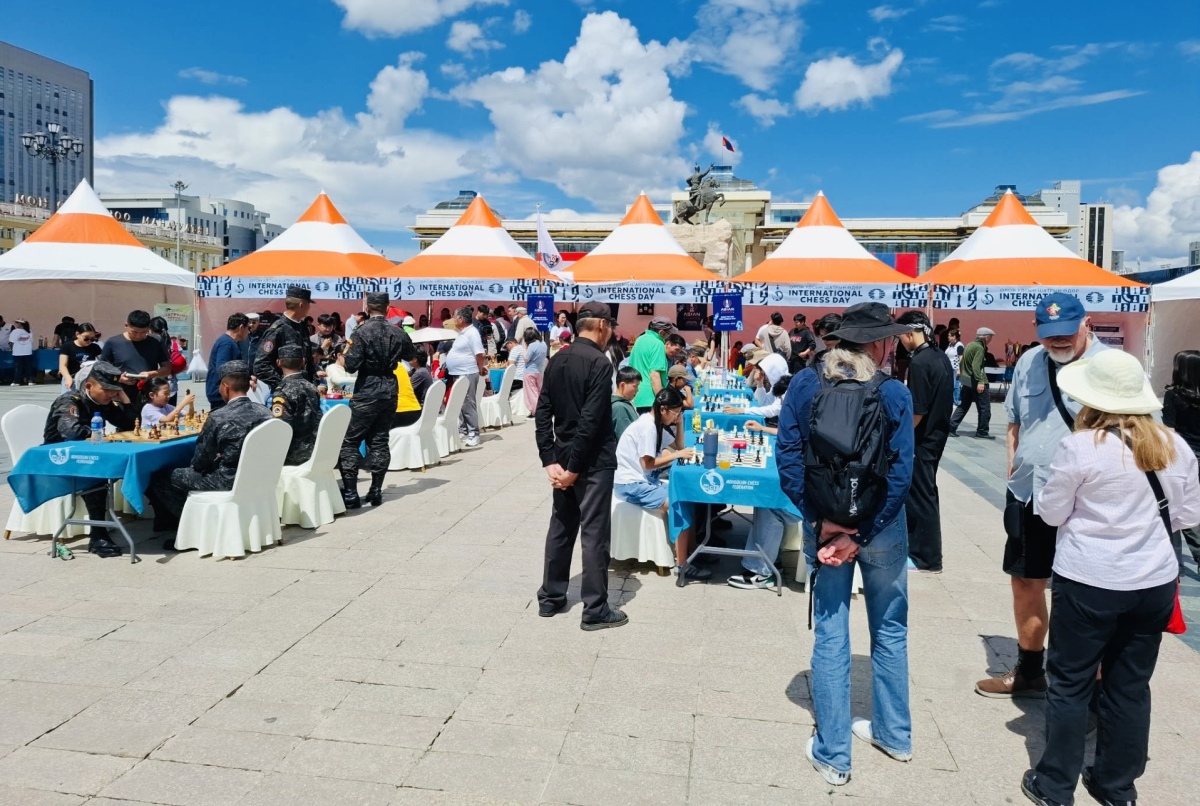
Statement of the President of the FIDE on the International Chess Day 2026; July 20th.
“Dear chess friends,
Chess belongs everywhere
These are just a few of the many stories received by FIDE this year. Together, they demonstrate that chess belongs everywhere – to schools and city squares, beaches and villages, historic landmarks and places of worship. Most importantly, it belongs to everyone.
FIDE thanks every federation, club, organiser, volunteer, teacher, parent and player who helped make International Chess Day 2026 a truly global celebration.
If you have not yet celebrated, there is still time to join. Set up a board in your favourite place, introduce someone to the game, organise an event in your community, or simply share your chess story with the world. Every celebration – big or small – helps show how chess continues to bring people together across borders, generations and cultures.
Happy International Chess Day!
Arkady Dvorkovich.
FIDE President”
ACTIVITIES: Some of you might be seasoned chess teachers, but many others have never taught the basics chess to absolute beginners. During the days leading to the weekend, try to gather some materials, watch some tutorials, and do some reading. From FIDE, we will stimulate the exchange of information and will share the most interesting ones, in different languages. Let’s help each other with the preparations.
“What is the real magic of social chess?” FIDE panel shares stories of change.
These are just a few of the many stories received by FIDE this year. Together, they demonstrate that chess belongs everywhere – to schools and city squares, beaches and villages, historic landmarks and places of worship. Most importantly, it belongs to everyone.
FIDE thanks every federation, club, organiser, volunteer, teacher, parent and player who helped make International Chess Day 2026 a truly global celebration.
If you have not yet celebrated, there is still time to join. Set up a board in your favourite place, introduce someone to the game, organise an event in your community, or simply share your chess story with the world. Every celebration – big or small – helps show how chess continues to bring people together across borders, generations and cultures.
Happy International Chess Day!
Arkady Dvorkovich.
FIDE President”
ACTIVITIES: Some of you might be seasoned chess teachers, but many others have never taught the basics chess to absolute beginners. During the days leading to the weekend, try to gather some materials, watch some tutorials, and do some reading. From FIDE, we will stimulate the exchange of information and will share the most interesting ones, in different languages. Let’s help each other with the preparations.

This year, FIDE invites players, federations, clubs, schools, organisers and chess fans everywhere to take part.

There are many ways to get involved:
- you could stage a game in an unusual location,
- run an inclusive community event, or
- join the live-streamed global conversation about chess and social change.
No event is too large or too small. Every game played, every person welcomed, and every story shared helps demonstrate chess’s unique ability to unite, inspire and create positive change.
Take chess beyond the board with Creative Chess
FIDE once again invites the global chess community to celebrate International Chess Day by taking part in Creative Chess, a challenge to promote the game in the most imaginative way possible.The idea is simple: set up a chess game in the most unusual, meaningful or symbolic place you can think of. It could be on a mountaintop, underwater, beside a famous local landmark or anywhere else that captures the imagination. Last year’s challenge produced a wonderful outpouring of creativity from around the world. Submissions included a rooftop game beneath the Sagrada Família in Barcelona, chessboards on the slopes of volcanoes in Costa Rica, a submerged set in the world’s deepest pool in Dubai and games played across the streets, trains and temples of Mumbai. Players, families, schools and even a few pets joined the celebration, all united by one game.
Take chess beyond the board with Creative Chess
FIDE once again invites the global chess community to celebrate International Chess Day by taking part in Creative Chess, a challenge to promote the game in the most imaginative way possible.The idea is simple: set up a chess game in the most unusual, meaningful or symbolic place you can think of. It could be on a mountaintop, underwater, beside a famous local landmark or anywhere else that captures the imagination. Last year’s challenge produced a wonderful outpouring of creativity from around the world. Submissions included a rooftop game beneath the Sagrada Família in Barcelona, chessboards on the slopes of volcanoes in Costa Rica, a submerged set in the world’s deepest pool in Dubai and games played across the streets, trains and temples of Mumbai. Players, families, schools and even a few pets joined the celebration, all united by one game.
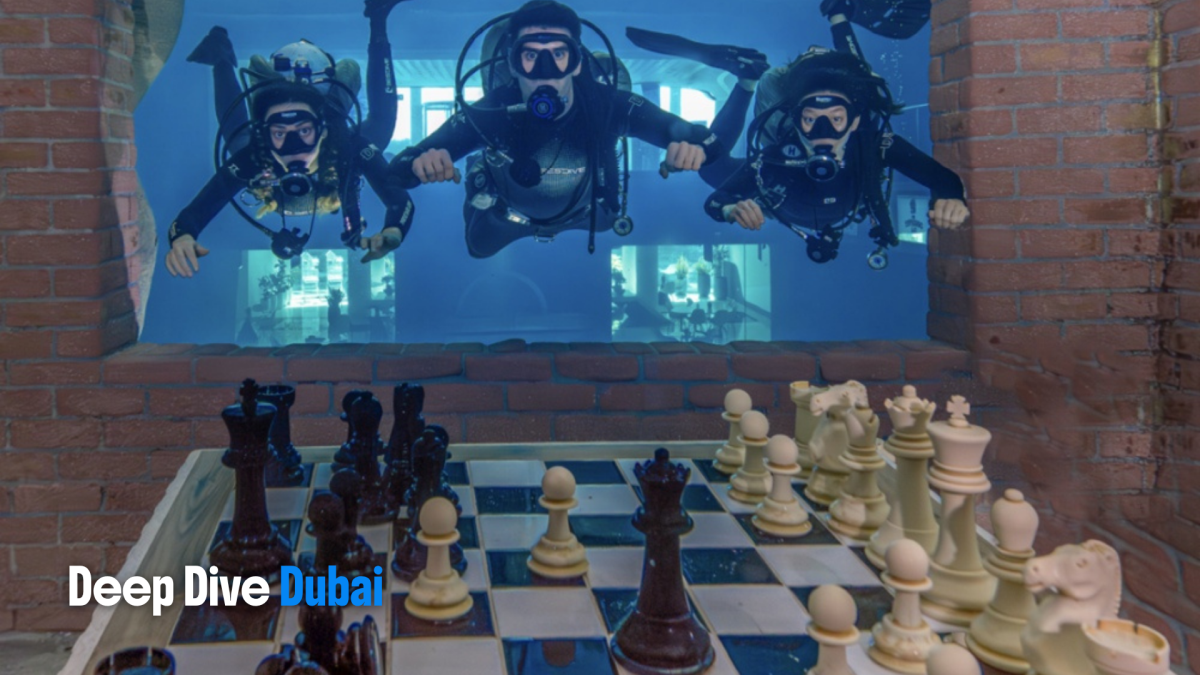
To participate, organize your creative chess game or moment in the days leading up to and around International Chess Day. Share your photos or videos on social media using #InternationalChessDay and tag FIDE. The most original and inspiring submissions may be featured across FIDE’s official social media channels. The board may have 64 squares, but the world of chess is boundless. Where will you take the game?
Celebrate participation and inclusion with FIDE WOM
The FIDE Commission for Women’s Chess (WOM) invites federations, clubs, schools, academies and organizers worldwide to mark International Chess Day by creating opportunities that encourage equal participation throughout the chess community. Activities can take many forms: a tournament, simultaneous exhibition, workshop, lecture, introductory lesson, school programme or informal community gathering. Organizers are encouraged to design welcoming events that bring people together, introduce new participants to chess and highlight the contributions of women and girls to the game.
Every initiative counts. A small club activity can be just as meaningful as a large international event when it creates a supportive space in which more people feel encouraged to play, learn, organize and lead.
How to participate?
Organize an event around International Chess Day and share photos, videos and highlights on social media. Tag the FIDE Commission for Women’s Chess and use #InternationalChessDayWOM so that activities from across the world can be brought together as part of the global celebration. After the event, organizers are invited to submit a short report accompanied by two or three photographs to project coordinator Anna Kantane at anna.kantane@gmail.com. Together, these events will showcase the remarkable work taking place within chess communities worldwide while inspiring greater participation and creating new opportunities through the game.
Join the global discussion: Chess as a Force for Social Change
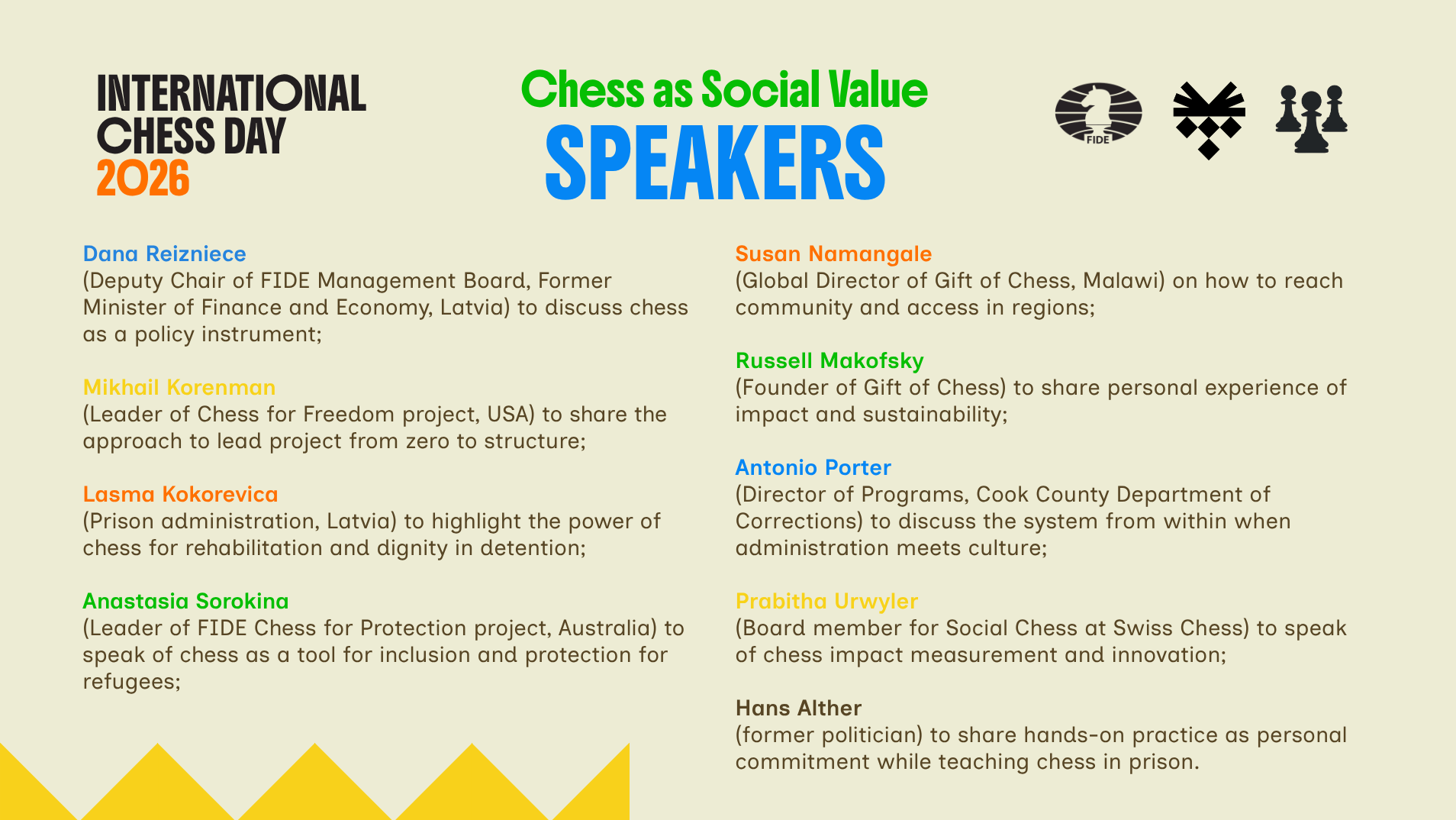
As part of the International Chess Day celebrations, the FIDE Social Commission will host a special interactive panel discussion exploring how chess can serve as a practical tool for rehabilitation, protection, inclusion and development. Titled “Chess as Social Value: From the Chessboard to Society,” the 60-minute live discussion will bring together policymakers, researchers, programme leaders and practitioners who are using chess to create tangible change in communities around the world. Rather than focusing on chess solely as a sport, the conversation will examine what the game makes possible: in prisons, refugee communities, schools, social programmes, government institutions and research environments. Through concrete examples drawn from the speakers’ direct experience, the panel will demonstrate how chess can build confidence, encourage positive behavior, support education and create opportunities for people in vulnerable or underserved communities.
The discussion will feature nine speakers representing a wide range of international projects and professional backgrounds:
- Dana Reizniece, Deputy Chair of the FIDE Management Board and former Minister of Finance and Minister of Economics of Latvia
- Mikhail Korenman, leader of the Chess for Freedom project, United States
- Lasma Kokorevica, representative of the Latvian prison administration
- Anastasia Sorokina, Chair of the FIDE Commission for Women’s Chess and leader of the FIDE Chess for Protection project, Australia
- Susan Namangale, Global Director of The Gift of Chess, Malawi
- Russell Makofsky, founder of The Gift of Chess
- Antonio Porter, Director of Programs at the Cook County Department of Corrections
- Prabitha Urwyler, Swiss Chess Federation board member responsible for Social Chess
- Hans Alther, prison chess educator and practitioner
Structured around a series of guiding questions, the session will invite the speakers to share practical lessons, measurable outcomes and personal experiences from their work. Audience members will also have an opportunity to submit questions and take part in the discussion.
Date: Monday, July 20, 2026
Time: 15:00 CEST
Duration: One hour
Format: Online panel discussion and live global broadcast
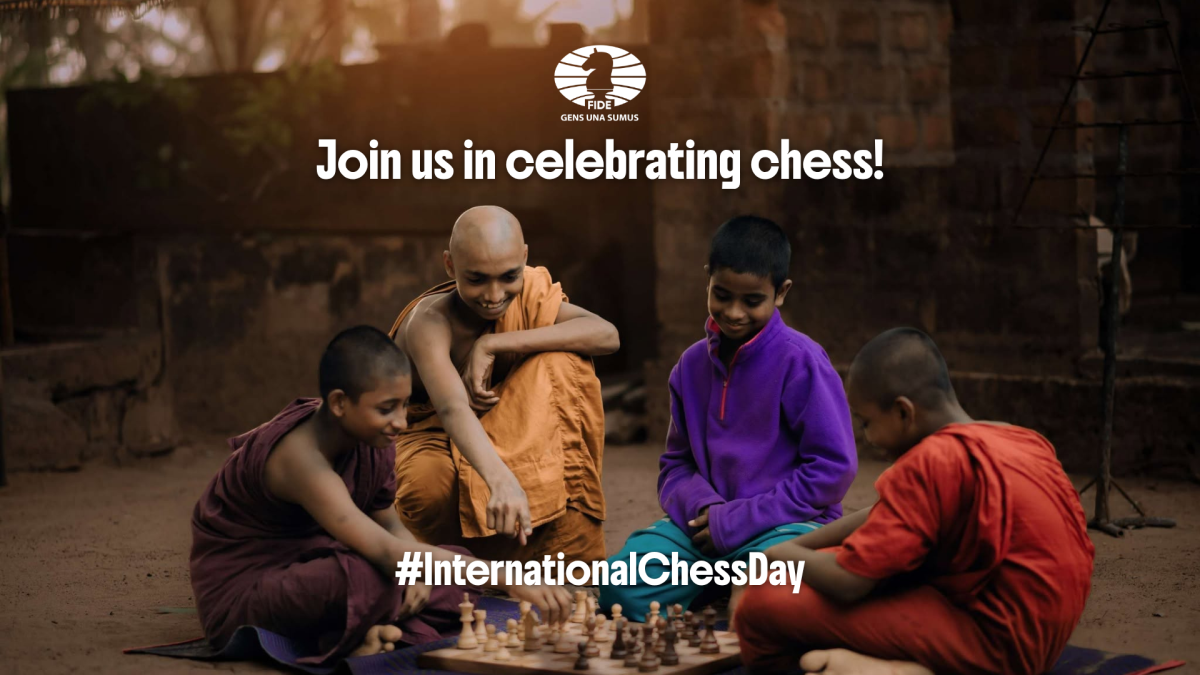
Whether you organize an event, stage a game somewhere unexpected, join the online discussion or simply play with someone new, be part of International Chess Day 2026. On July 20, let us show the world not only where chess can be played, but also where chess can lead.
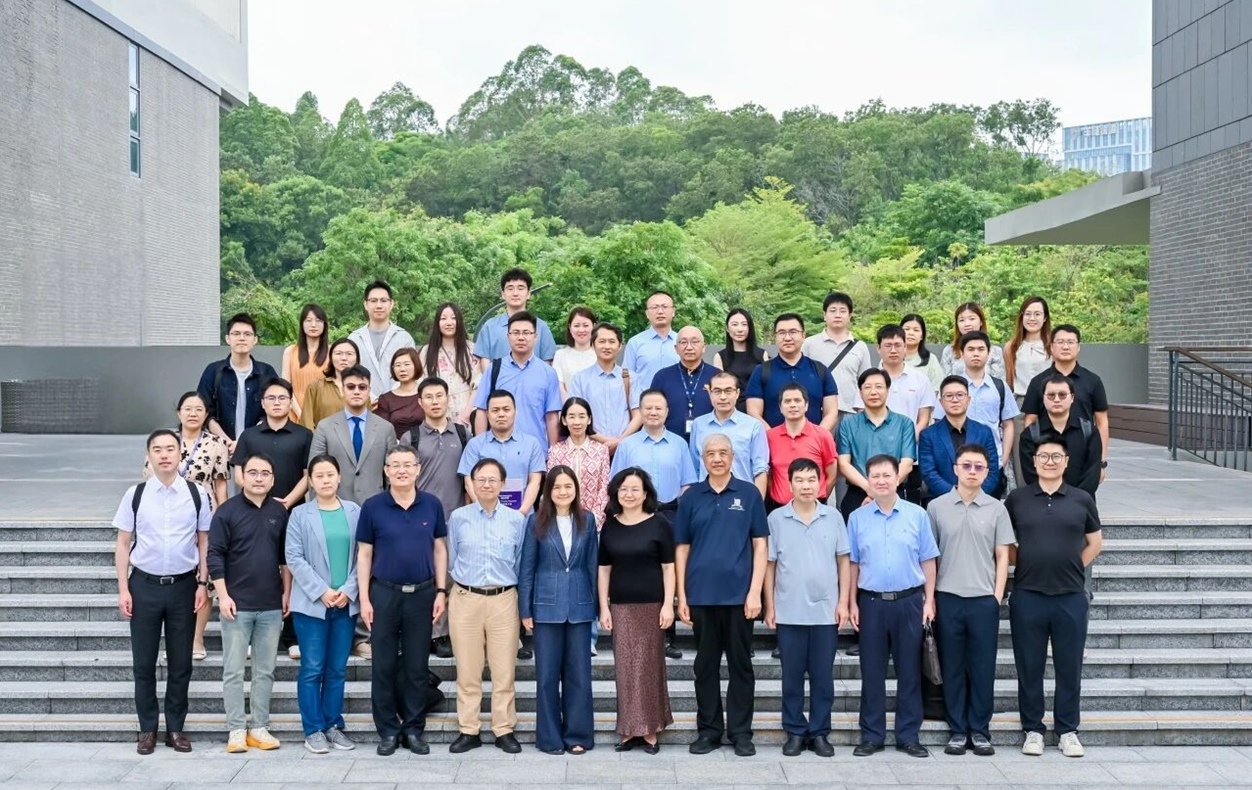
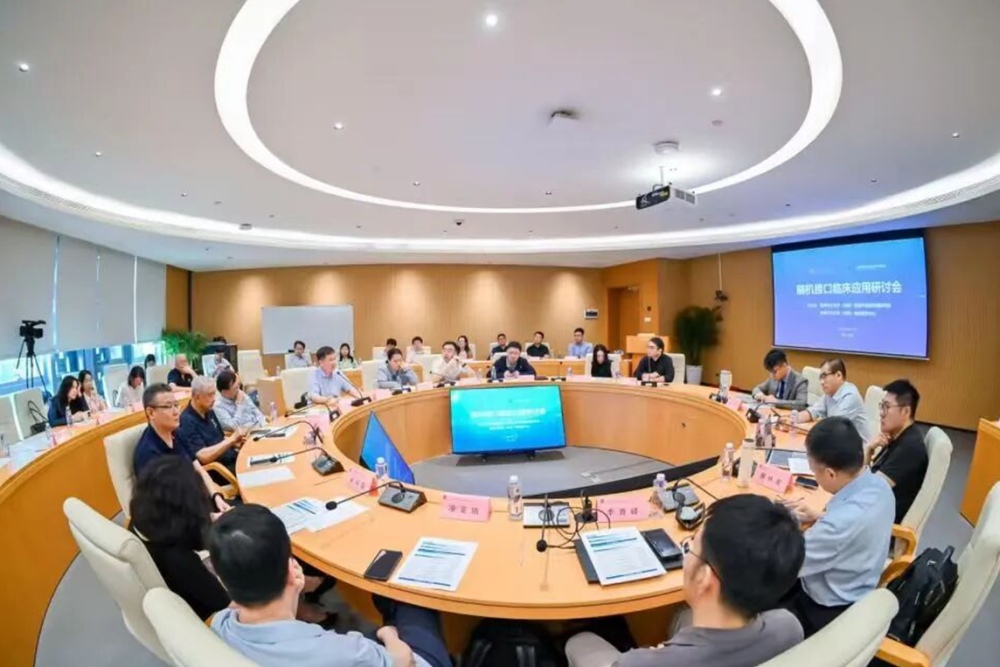
FIDE Treasurer and Women’s World Champion Zhu Chen, together with WIM Liang Zhihua, attended the “Brain-Computer Interface (BCI) Clinical Application Symposium” on June 11, as special guests at The Chinese University of Hong Kong, Shenzhen (CUHK-Shenzhen). Chess has long been associated with intelligence and human creativity. Increasingly, the game is finding its place at the cutting edge of brain science. FIDE representatives and chess players were invited to attend an event that brought together leading neurologists, clinicians, and technology companies working on brain-computer interface systems. At first glance, chess may seem an unusual guest at a medical symposium. Yet over the past year, the game has emerged as one of the clearest demonstrations of what brain-computer interface technology can achieve.
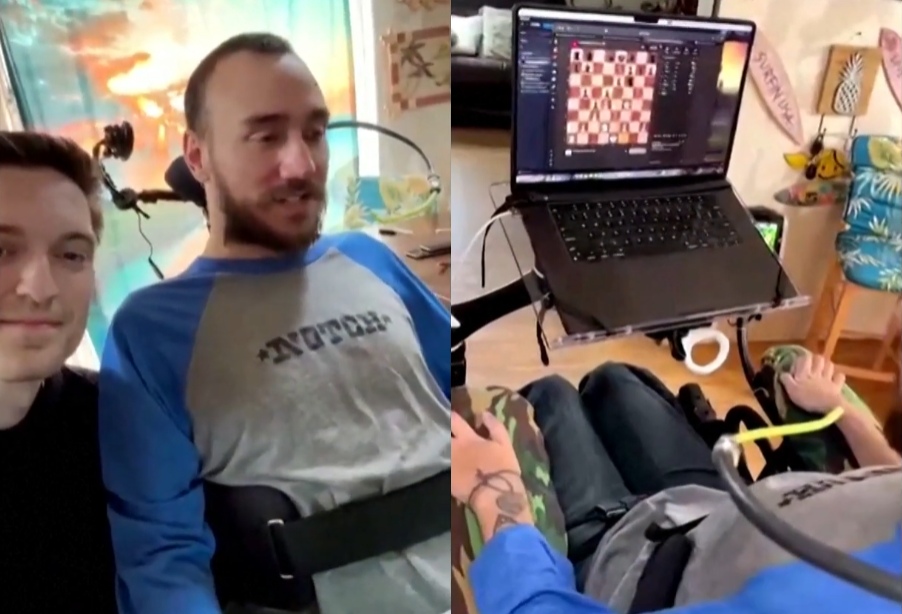
The event comes nine months after a historic moment in September 2025, when Neuralink patient Noland Arbaugh played a game of chess online against Swedish WFM Anna Cramling, marking the first time chess appeared on the global stage as a real-world BCI application. The match served as a public demonstration of how consumer-grade digital platforms can integrate with next-generation medical hardware. During the match, Arbaugh, who was left quadriplegic after a swimming accident in 2016, controlled his side of the board on chess.com using a coin-sized Neuralink skull implant that contained over 1,000 electrode threads tracking his neural intent. The match highlighted a shift from robotic arm movements towards complex cognitive multitasking.
That connection was reflected in discussions at the Shenzhen symposium. Researchers from top Chinese institutions took part, including Peking Union Medical College Hospital; Xuanwu and Tiantan Hospitals, affiliated with Capital Medical University; Huashan Hospital, affiliated with Fudan University; Southeast University; and many others from the Greater Bay Area. Representatives from BCI companies also attended.
During the conference, chess was recognized as a tool for connecting scientific research and technology in the study of cognitive functions. Zhu Chen, a former Women’s World Champion, shared her views from the perspective of a chess player, linking scientific discussions with a board game built on human thought.
“It was very interesting to see the extent to which science has advanced in brain research. It seems almost sci-fi! It was exciting as well as heartwarming to hear that chess, an ancient game, has a very important role to play in the groundbreaking research which will strongly impact the future of humanity,” said Zhu Chen.
“FIDE has always been supportive and open to working with scientific institutions and organizations and will continue to do so,” Zhu added.
Experts also shared the latest advances in using BCI to treat Parkinson’s disease, epilepsy, consciousness disorders, and spinal cord injuries and highlighted the rapid development of BCI research in China. The organizers said that the next stage of the project will involve multicenter clinical projects with leading BCI companies in China. Chess was again recognized as a useful tool for hypothesis testing. Whether those efforts ultimately transform medical treatment remains to be seen, but what is clear is that chess has a role to play in supporting scientific research and development.
Photos: Liang Ziming and Neuralink live stream
%20Clinical%20Application%20Symposium%E2%80%9D%20on%20June%2011.jpg "Neuralink live stream")

No comments:
Post a Comment