Sunday, 9 August 2026

International Day of the World's Indigenous Peoples 2026; August 9th.

FORUM: "Honouring Indigenous Midwives: Safeguarding Life and Well-being". International Day of the World's Indigenous Peoples 2026. The United Nations General Assembly on 23 December 1994, decided, in its resolution 49/214, that the International Day of the World’s Indigenous People shall be observed on 9 August every year. The date marks the first meeting, in 1982, of the UN Working Group on Indigenous Populations.This year's observance will focus on the recognition of Indigenous midwives as vital knowledge holders and guardians of community health. Indigenous midwifery has sustained the well-being of Indigenous Peoples for generations. It brings together knowledge systems, values and practices that Indigenous Peoples have developed and passed on over time. It reflects holistic worldviews that connect territory, spirituality, community and ways of life. These practices are central to transmitting and sustaining Indigenous Peoples’ knowledge, strengthening cultural identity and supporting self-determined forms of care and community wellbeing, and ensuring the continuity of Indigenous Peoples’ ways of life for future generations. Despite the continued presence of these knowledge systems and forms of care, Indigenous Peoples face significant and persistent health inequities. Evidence indicates that Indigenous women and adolescent girls experience poorer maternal health outcomes than non-Indigenous Peoples, including lower access to essential services and, in some contexts, substantially higher maternal mortality. Such disparities are closely linked to structural barriers, including discrimination, geographic isolation, the limited availability of culturally appropriate services, and the insufficient recognition of Indigenous knowledge systems within formal health frameworks. Culturally appropriate midwifery models can improve continuity of care, strengthen trust in health systems, and contribute to better maternal and newborn outcomes. Yet, in many settings, Indigenous midwifery continues to be stigmatized, face regulatory restrictions, exclusion or lack of recognition, and even criminalization. These conditions limit access to culturally safe care and affect Indigenous women’s ability to make informed and meaningful decisions regarding pregnancy and childbirth, with implications for dignity, bodily autonomy and quality of care. At the same time, there is growing global recognition of the value of culturally grounded and communitybased approaches to maternal care. In many advanced economies, including urban health systems, there has been a notable increase in demand for continuous, personalized and non-clinical support during pregnancy and childbirth, including through the expanded use of doulas and other community-based birth companions. These approaches respond to gaps in conventional maternity care models, where clinical staff may be unable to provide sustained one-to-one support during labour, and are increasingly integrated into health systems and public health programmes, with coverage now available in multiple jurisdictions. Against this backdrop, this year’s theme, “Honouring Indigenous Midwives: Safeguarding Life and Well-being,” is presented in a spirit of recognition and respect. It contributes to the global momentum leading to the inaugural commemoration of the International Day of Indigenous Women and Girls by highlighting Indigenous women, who have always been part of their Peoples’ struggle, as leaders, knowledge holders and caregivers, and by bringing focused attention to a critical but often underrecognized dimension of their contributions to Indigenous Peoples’ well-being. The United Nations system has progressively strengthened its engagement at the intersection of Indigenous Peoples’ rights, health and knowledge systems. The United Nations Declaration on the Rightsof Indigenous Peoples affirms the rights of Indigenous Peoples to maintain and strengthen their cultural practices and institutions, and to access health services that respect their knowledge systems and ways of life. The United Nations Permanent Forum on Indigenous Issues (UNPFII) has consistently identified Indigenous women’s health as a priority, including the role of Indigenous midwifery. The Forum has highlighted the lack of culturally appropriate services and called on Member States to remove discriminatory barriers, recognize Indigenous midwives, and strengthen support for Indigenous-led systems of care. The Forum has further underscored the role of Indigenous women and elders in transmitting cultural knowledge and sustaining Indigenous cultures, including through midwifery. It has called upon Member States to support the establishment of mechanisms for the empowerment of Indigenous women and girls and has called for their equal involvement and participation in decision-making processes at all levels. Other United Nations Indigenous Peoples’ mechanisms, including the Special Rapporteur on the rights of Indigenous Peoples and the Expert Mechanism on the Rights of Indigenous Peoples, have underscored persistent challenges in implementation, particularly in relation to non-discrimination, access to culturally appropriate services and the recognition of Indigenous knowledge systems. The World Health Organization has similarly highlighted that Indigenous Peoples experience systematically poorer health outcomes – including in maternal health – and has called for culturally appropriate, rights-based approaches across the life course. The UNFPA has supported Indigenous midwifery as a vital component of culturally appropriate maternal and reproductive health care. UNFPA has promoted the recognition of Indigenous midwives, advocating for strengthened links between Indigenous Peoples’ own health systems and formal health systems, and supported efforts to preserve Indigenous knowledge and practices while improving access to safe and respectful maternity care for Indigenous women. Despite this growing normative and policy framework, implementation gaps remain across many national contexts. Strengthened dialogue, evidence-sharing and policy action are required to advance equitable, culturally grounded systems of care and to ensure the full respect of the rights of Indigenous Peoples’, their identity, their forms of social organization, their cultural values and their ways of life.


EVENTS: On Sunday, August 9th, the Commemoration of the International Day of the World's Indigenous Peoples 2026 was held. 


On Monday 10 August 2026, from 08:30-10:30 AM EDT (New York time), the Virtual Commemoration entitled Honouring Indigenous Midwives: Safeguarding Life and Well-being was held. This year, due to 9 August falling on a Sunday, the International Day observance will take place online on Monday, 10 August 2026. This year’s theme is: “Honouring Indigenous Midwives: Safeguarding Life and Well-being”. Get the Concept Note: EN | ES & Tentative programme: EN | ES. The Interpretation will be available between English and Spanish, kindly provided by Land is Life. Watch the livestream!


The virtual commemoration will include an opening segment with an Indigenous spiritual ceremony, statements from UN senior officials, and a statement from the Chair of the Permanent Forum on Indigenous Issues. This will be followed by two moderated dialogues with invited speakers and an interactive discussion.

Dialogue 1: Indigenous Midwives as Knowledge Holders and Guardians of Well-being
This moderated dialogue will aim to raise awareness of Indigenous midwifery as a living Indigenous knowledge system, highlight the contributions of Indigenous midwives to community well-being, and illustrate the challenges they face in maintaining and transmitting their knowledge.

• Martha Arotingo (Pueblo Kichwa Kutacachi) | Ancestral midwife, spokesperson CONPASA, Founder Partera di Anaku & Vice President CISAHW • Nicolle Arthun (Diné) | Indigenous Nurse-Midwife and maternal leader, CNM, FACNM, and CEO, transcending Strategies LLC • Rhonda Lee Grantham (Cowlitz Nation) | Director, Center for Indigenous Midwifery • Laura Lemons (Iñupiaq) | Indigenous Midwife and Doula.
 Moderated by Assistant Secretary-General Bjørg Sandkjær, UN Department of Economic and Social Affairs

Dialogue 2: From Recognition to Action: Protecting and Supporting Indigenous Midwifery.
This dialogue will examine policy reforms and practical pathways for recognizing Indigenous midwifery as critical knowledge systems, and for advancing implementation of related international commitments, human rights obligations and recommendations.

• Agnes Leina (Maasai) | Founder and Executive Director of Il’laramatak Community Concerns & Gender Coordinator of Indigenous People of Africa Coordinating Committee • Dora Méndez (Tseltal) | Traditional midwife and Coordinator Continental Alliance of Traditional and Indigenous Midwives of the Americas • Victoria Bertolino | MD, MSc, International consultant on Cultural Diversity and Health, Pan American Health Organization • Abra Nungasuk Patkotak (Iñupiaq) | Indigenous Birthworker and Student Midwife, Co-Creator and Co-Director of Alaska Native Birthworkers Community.
 Moderated by Astrid Hurley, Senior Programme Management Officer, Division for Inclusive Social Development, UN Department of Economic and Social Affairs.


The objective of this year’s International Day is to advance a rights-based and evidence-informed dialogue on Indigenous midwifery, with a focus on: • Strengthening recognition of Indigenous midwifery as an autonomous Indigenous knowledge system • Addressing structural discrimination and barriers affecting Indigenous Peoples’ knowledge systems and community-based forms of care • Promoting culturally appropriate approaches to well-being, including maternal and reproductive health, within human rights frameworks • Advancing understanding of the links between Indigenous knowledge systems, health equity and community well-being • Identifying concrete policy pathways for the protection, recognition and sustainable support of Indigenous-led systems of care and knowledge transmission In doing so, the commemoration also contributes to the broader recognition of Indigenous women’s roles and rights, serving as a thematic bridge to the inaugural International Day of Indigenous Women and Girls in September. Format and Structure (2-hour virtual dialogue) 

The event will be structured as a focused dialogue with substantive interventions from:

Indigenous Knowledge Holders / Midwives Lived experience, intergenerational transmission of knowledge, community role, and Indigenous systems of care • Member State / Policy Perspective - National legal and policy frameworks, recognition of Indigenous knowledge systems, public health approaches and implementation challenges • Human Rights/Legal Expert Perspective - International standards, non-discrimination, bodily autonomy, and protection from coercion and violence, including accountability frameworks • United Nations Perspective - System-wide frameworks and analysis, including UNPFII recommendations, global health guidance, and approaches to advancing equitable and culturally appropriate care.


Expected Outcomes The event is expected to contribute to: • Strengthened visibility of Indigenous midwifery as a vital Indigenous knowledge system within global policy and normative discussions • Increased awareness of disparities affecting Indigenous women’s access to culturally appropriate maternal health care • Greater understanding of implementation gaps in United Nations recommendations related to Indigenous Peoples’ rights, health, knowledge systems and self-determination. • Identification and dissemination of good practices in culturally grounded, community-led systems of care • Enhanced recognition of Indigenous women’s roles and contributions, supporting broader efforts toward the inaugural International Day of Indigenous Women and Girls


Invited speakers

DIALOGUE 1 | Martha Arotingo is an ancestral midwife, herbalist, and keeper of the ancestral sciences of the Kichwa Kutakachi People of Ecuador. She is the founder of Partera di Anaku and spokesperson for the Plurinational Council of Elders, Midwives, and Traditional Birth Attendants of Ecuador (CONPASA). Together with the Indigenous Council of Ancestral Health, she helped advance the First National Congress of Ancestral Midwifery. She supports the training of new ancestral midwives through community programs. She is the author of a bilingual Kichwa–Spanish poetry collection on birth stories and co-author of an agro-culinary postpartum care manual.
Image

 DIALOGUE 2 | Agnes Leina comes from Kajiado County, Kenya, inhabited mainly by the Maasai community. She holds a Master’s degree in Rural Sociology and Community Development from the University of Nairobi, a Bachelor’s degree in Communications and Community Development from Daystar University, and a Postgraduate Certificate in International Development from the University of Birmingham, United Kingdom. She is the Founder and Executive Director of Il’laramatak Community Concerns and the Gender Coordinator of the Indigenous Peoples of Africa Coordinating Committee (IPACC).

DIALOGUE 1 | Nicolle Arthun (Diné) is an Indigenous Certified Nurse-Midwife from the Navajo Nation. She is an Indigenous birth knowledge holder with 22 years of experience restoring Native-led maternity care. She founded Changing Woman Initiative, the first Native women-led maternal health and wellness organization in the United States, and the Mni Wiconi Midwifery Field Clinic at Standing Rock. She is a member of the International Confederation of Midwives Indigenous Midwifery Working Group and has testified before the UN Human Rights Committee and the Inter-American Commission on Human Rights.

DIALOGUE 2 | Dora Lucía Méndez Alfonzo is a Tseltal Indigenous woman from Las Rosas, Chiapas, Mexico, and a traditional midwife with 17 years of experience. She coordinates the Comprehensive Health and Gender program at Formación y Capacitación A.C. (FOCA). She founded and coordinates several traditional and Indigenous midwifery networks, including the Las Pinoltecas Midwives Network and the Continental Alliance of Traditional and Indigenous Midwifery of the Americas, and is a co-founder of the Chiapas Midwives Movement Nich Ixim. She holds a degree in Administrative Informatics and is currently studying Law.

DIALOGUE 1 | Rhonda Lee Grantham is an Indigenous midwife, herbalist, and citizen of the Cowlitz Nation, a Salish-Sahaptian Tribe of southwestern Washington whose name translates to "Seeker of the Medicine Spirit." With nearly 30 years of experience supporting birth, wellness, and traditional healing, she has dedicated her life to strengthening Indigenous families and communities through culturally grounded maternal care. As the founder of the Center for Indigenous Midwifery, Rhonda is guided by her perspectives as both a Native woman and cultural anthropologist, combining Indigenous knowledge with a commitment to global health, family wellness, and culturally centered care. For more than two decades, she has supported births and developed maternal health programs within Tribal communities across the United States and internationally.

DIALOGUE 2 | María Victoria Bertolino Depratti, MD, MSc, is a Specialist in Obstetrics and Gynecology and holds a Master of Science in Reproductive Health from the University of Edinburgh. She has extensive experience in research, university teaching, and the design, implementation, and evaluation of health policies. She is an International Consultant for the Pan American Health Organization (PAHO) in the Cultural Diversity Unit of the Department of Social and Environmental Determinants for Health Equity, where she works on projects related to the health of Indigenous Peoples and Afro-descendants in the Americas, with an emphasis on maternal and neonatal health and the promotion of health equity for women, girls, and adolescents.

DIALOGUE 1 | Laura Lemons is an Indigenous Alaskan, Licensed Midwife, Certified Professional Midwife, and Certified Indigenous Doula. She has lived in the Mat-Su Valley since 1998. She became a Certified Doula in 2018, a Certified Indigenous Doula in 2020, and earned a Bachelor of Science in Midwifery in 2022. As one of the few practicing Indigenous midwives in Alaska, she is dedicated to supporting women and families throughout pregnancy and birth. Through compassionate care, education, and culturally grounded support, she strives to empower families to make informed decisions and approach the birth process with confidence.

DIALOGUE 2 | Abra Nungasuk Patkotak is Iñupiaq from Utqiaġvik, Alaska, and Gifford, Idaho. She resides in Dgheyey Kaq’, also known as Anchorage, on Dena’ina land. Abra is an Indigenous Full-Spectrum Birthworker, student midwife, and Co-Creator and Co-Director of the Alaska Native Birthworkers Community, where she advances reproductive justice while serving Indigenous birthing people. Trained as a doula in 2010, she earned a Bachelor of Social Work from the University of Alaska Anchorage in 2023. She began training as a direct-entry midwife in 2023 and works to create safer spaces for pregnant and parenting people through systems change, policy work, and direct support.

CEREMONIAL OPENING | María Herminia Quiñelen Martínez is a Lawentuchefe, a Medicine Woman of the Mapuche tradition, with more than 40 years of experience and expertise in the properties of medicinal plants, learning from them as one who comes to know another living being. She began her learning and communication through dreams at the age of 7, being guided and trained through a learning process of approximately 15 years.
She is also a Puñeñelchefe, a Master of Ancestral Mapuche Childbirth, with more than 1,300 births providing comprehensive and respectful accompaniment to women during natural and home births. She is a Mapuche Authority and Medicine Woman, belonging to the eighth generation of a lineage of Mapuche healers on both her father's and mother's sides. She is a Kimelfe, author and educator of her Mapuche School of Medicine and founder of the Women’s Circles, “For the Recovery of the Culture of Being a Woman,” an initiative dedicated to strengthening women's identity and revitalizing ancestral knowledge.


Messages on the Occasion of the International Day of the World's Indigenous Peoples


Statement of the United Nations Secretary-General  for the International Day of the World’s Indigenous Peoples 2026, observed on  August 9th.

Indigenous Peoples account for over 6 per cent of the world’s population. They are guardians of cultural heritage, stewards of vital ecosystems and crucial contributors to our shared future.

Yet, across the globe, their rights and well-being face disproportionate threats. Some of the starkest relate to maternal and infant health, with complications and deaths far more prevalent than among the wider population.

That is why, on this International Day of the World’s Indigenous Peoples, we celebrate Indigenous midwives. Evidence shows that they improve outcomes for mothers and babies, strengthen trust in health systems and ensure continuity of care. As knowledge holders and leaders, they also help preserve the languages, values and practices that sustain Indigenous cultures across generations.

The United Nations is working with Member States and Indigenous Peoples to advance rights-based approaches to health. Governments must gather the missing data that so often leaves Indigenous patients invisible in healthcare systems, and they must invest more in training for midwives and natal care. It is also vital that we uphold the rights of Indigenous women to make informed decisions about their own bodies and care.

Traditional wisdom can protect new life. Together, let us ensure that Indigenous midwives, and the communities they serve, have everything they need to thrive.
António Guterres’ .


On the occasion of the International Day of the World's Indigenous Peoples, I ampleased to join the global community in honoring indigenous peoples, their knowledge systems, and their contributions to the planet. This year's theme invites us to recognize indigenous midwives as guardians of life, well-being, and cultural continuity. Indigenous midwives are caregivers, knowledge holders, and leaders. Their work connects birth, family, community, culture, nature, and future generations.
Their work reminds us that indigenous knowledge systems are living, dynamic, and contemporary.
It also reminds us of the leadership of indigenous women, the importance of transmitting knowledge across generations, and the need to safeguard the conditions that allow indigenous peoples to thrive.
The knowledge of indigenous midwives is part of these broader knowledge systems. It is placebased, culturally specific, and rooted in relationships with territories, waters, biodiversity, and traditional governance systems.
This recognition is closely connected to the work of the convention. At COP 16, parties adopted the program of work on article AJ and established a subsidiary body on article AJ, marking an important
step forward in the recognition of the traditional knowledge, contributions and participation of indigenous peoples. At COP 17, parties will consider the modus operandi of the subsidiary body on
article AJ, which is needed for this subsidiary body to become fully operational and to support the effective and inclusive implementation of the program of work on article AJ.
On this day, let us honor indigenous midwives by recognizing their knowledge, supporting their leadership, and safeguarding the conditions that allow life, culture, biodiversity, and well-being to flourish for generations to come.

Executive Secretary of the CBD - Astrid Schomaker.


Across the world, Indigenous Peoples sustain vital knowledge systems and cultural heritage deeply intertwined with their lands, waters, and environments offering invaluable perspectives for addressing today's global challenges. This year’s theme of the International Day of the World’s Indigenous Peoples –“Honouring Indigenous Midwives: Safeguarding Life and Well-being”–highlights the practice of midwifery. Inscribed as a transnational element on UNESCO’s Representative List of the Intangible Cultural Heritage in 2023, midwifery bridges traditional knowledge systems with women’s health, well-being, cultural identity, andthe sustainable use of medicinal plants.Committed to supporting Indigenous Peoples, UNESCO is leading the International Decade of Indigenous Languages 2022-2032 to ensure that Indigenous voices, worldviews, and intellectual diversity receive the recognition they deserve. As we approach the midpoint of this milestone, UNESCO is also leveraging the 2026 International Year of Rangelands and Pastoralists to amplify the voices of communities practicing transhumant pastoralism, demonstrating the power of cultural reclamation, community resilience, science-based conservation, and local stewardship.On this International Day, let us reaffirm that humanity’s diversity is one of its greatest strengths. By valuing Indigenous Peoples, their languages, cultures, heritage, and
knowledge systems, we safeguard an irreplaceable part of humanity’s heritage that our world cannot afford to lose. ;;
Mr Khaled El-Enany, Director-General of UNESCO.,
PAST EVENTS

Held April 20 – May 1, 2026  The 25th Session (UNPFII25) was held at the United Nations Headquarters in New York under the theme "Ensuring Indigenous Peoples' health, including in the context of conflict". The Discussions Addressed were about land degradation, shrinking civic space, safety of human rights defenders, and the impact of geopolitical conflict on Indigenous well-being.

Communications and Outreach

ECLAC: Día Internacional de los Pueblos Indígenas 2026: “Reconociendo la Partería Indígena: salvaguardando la vida y el bienestar
FAO: Connecting Mothers: Indigenous midwives weaving life
FAO: Indigenous Peoples' knowledge is the first knowledge
IFAD: Targeted investments give ancestral knowledge new value
Minamata Convention on Mercury: Strengthening action against mercury pollution through Indigenous Peoples' knowledge and participation
OHCHR: Honouring Guatemala’s Indigenous midwives and making space for Indigenous health systems
UNDP: 24 years of the Equator Initiative: From local spark to global launchpad for Indigenous leadership
UNESCO: Beyond birth: How media can tell the stories of Indigenous midwives
UNESCO: International Day of Indigenous Peoples: From words to action

International Day of the World's Indigenous Peoples 2026; August 9th.


Social media

For social media engagement please use the below hashtags:English: #WeAreIndigenous | #IndigenousPeoplesDay
Spanish: #SomosIndígenas | #DíaPueblosIndígenas
French: #NousSommesAutochtones | #JournéeAutochtones
Portuguese: #SomosIndígenas | #DiaDosIndígenas | #DiaDosPovosIndígenas | #PovosIndígenas

On Facebook: UNPFII and on Instagram: UN4Indigenous

Saturday, 25 July 2026

World Drowning Prevention Day 2026; July 25th.


FORUM: "Unite To Turn The Tide." World Drowning Prevention Day 2026. Since 2000, the world has cut the drowning rate by 38%. Drowning takes more than 300 000 lives a year - 30 every hour - and almost a quarter of them are children under five. Globally, it is among the ten leading causes of death for children aged 5-14 years. More than 90% of drowning deaths occur in rivers, lakes, wells, domestic water storage vessels and swimming pools in low- and middle-income countries, with children and adolescents in rural areas disproportionately affected. Many of the youngest victims never came near a river. They drowned in household buckets. In water storage tanks. While someone's back was turned.Communities began identifying dangerous water bodies and fencing them. Families learned CPR. Children got swim lessons. Volunteers took on a shared responsibility to watch over the water in their backyards and communities. But the work is far from done. We know how to close this gap. We just need to do it faster, together. Follow the conversations with the hashtags:  #keeppeoplesafearoundwater, #DrowningPrevention, #25July, #UniteToTurnTheTide.


EVENT: On July 25th, 2026 we will mark the 5th annual observance of the World Drowning Prevention Day; a global call to action against one of the most preventable cause of deaths. The evidence is clear, the tools exist and the strategies are proven, what is needed now is solidarity at scale. This year we look upstream to the actions that save lives long before danger arrives and we call on everyone to recognize and play their parts. Register to participate!

On July 24th; starting at 11:00 am. EST. a webinar organized by PAHO on occasion of the World Drowning Prevention Day 2026 was held. In the Region of the Americas, nearly 17,000 people died from drowning in 2021. Join us in raising awareness about the impact of drowning and promote actions that can prevent deaths and injuries!

World Drowning Prevention Day 2026


Stories of the everyday heroes.

25 July


KEY MESSAGES: Partners, advocates and communicators are welcome to use and adapt these messages across campaigns, events and media.

1 Drowning claims more than 300,000 lives every year. That’s 30 people drowning every hour. Drowning is preventable. We know the risks. We have the solutions. Now we need to scale them. 
2 Children pay the heaviest price. Drowning is the 4th leading cause of death for children aged 1–4, and the 3rd leading cause of death for children aged 5–14. 
3 Drowning is a deeply unequal crisis. Nine in ten drowning deaths happen in low- and middle-income countries. 
4 Drowning is a climate issue. Floods are becoming more frequent and severe, and 75% of flood deaths are due to drowning. Drowning prevention belongs at the heart of disaster risk reduction and climate resilience plans, with stronger early warning systems and community preparedness. 
7 Drowning prevention takes a united effort. It's not the job of one ministry, one community or one profession. It depends on action across families, workplaces, sectors and governments – often long before an emergency unfolds.

7 Drowning prevention takes a united effort. It's not the job of one ministry, one community or one profession. It depends on action across families, workplaces, sectors and governments – often long before an emergency unfolds. 

8 We know how to solve this crisis. Swim and water safety education, supervised childcare, lifejackets, CPR training, swimming pool fencing, regulated boats and flood early warning systems all save lives. What's needed is scale. The Global Strategy for Drowning Prevention sets out a shared global roadmap – uniting governments, communities and partners behind what works.

9 Investing in drowning prevention is one of the smartest public health investments any country can make. Most of the actions that prevent drowning are low-cost, well-understood, and ready to scale. Studies show that scaling just two solutions – supervised childcare and child swim education – could save 774,000 lives by 2050 with a 9x return on investment

10 This moment matters: it’s time to turn the tide. Five years into the global movement, the world has a shared goal – to reduce drowning deaths by 35% by 2035. We have the knowledge and tools, now it’s time to act! 


ACTIVITIES: Whoever you are, you have a role to play.

 Reaching our goal depends on millions of small actions – from all people, in all places, in all contexts. Know where you come in…

PARENTS & CAREGIVERS - Protect and train...

Supervise children closely near any water
Fence pools
Cover household water sources
Teach children swimming and water safety
Learn CPR and safe rescue

SCHOOLS & EDUCATORS - Educate and equip… 

Bring water safety into curriculums
Share water safety information
Connect families with practical water safety resources


WORKERS AROUND WATER - Advocate for your safety...

Always wear your lifejacket
Insist on safety training and access to safety equipment
Report unsafe working conditions


EMPLOYERS & OPERATORS - Create a safety culture… 

Provide safety training and equipment
Meet international occupational safety standards
Identify and respond to safety risks


COMMUNITY LEADERS & ADVOCATES - Push local drowning prevention measures...

Map local water risks and identify solutions
Run community swim and rescue training
Establish or strengthen flood warning systems


POLICYMAKERS & REGULATORS - Legislate for safety...

Pass laws that keep people safe around water
Fund proven drowning prevention interventions
Coordinate across sectors

PUBLICATIONGET THE TOOLKIT!

Seven strategies to prevent drowning - technical package for policy-makers.

The Global Strategy for Drowning Prevention calls every sector and every level of society to one goal:
Unite to reduce drowning by 35% by 2035. Closing the gap depends on all of us doing our part – every person, in every place, in every context.


TAKE ACTION:

USE THE TOOLKIT: The Unite to Turn the Tide Campaign Toolkit is a practical campaign guide for communities, partners, advocates and communicators. It comes with everything you need to support the campaign on your channels, including key messages, social media copy, and ways to participate.


LINK ARMS: Share stories of the everyday heroes of your team, tell us what they are doing to prevent drowning in your community. Tag @WHO and use the theme: Unite To Turn The Tide.

International Day for Women and Girls of African Descent 2026; July 25th.

FORUM: ''A legacy of unity and collective action." International Day for Women and Girls of African Descent 2026. Women and girls of African descent continue to face systemic racism and overlapping forms of discrimination, yet they continue to lead, organize, and transform societies. On the International Day for Women and Girls of African Descent, we call on States to uphold their rights, ensure accountability, and invest in their leadership and futures. Follow the conversation with the hashtags: #25july, #AfricanDescent, #womenandgirls, #RisingTogether, #Leadingwithstrengh, #WomenandGirlsofAfricanDescent.


EVENT: On July 25th, An Interactive panel discussion will be held to mark the International Day for Women and Girls of African Descent 2026. During the celebration participants will acknowledge their rich history, culture, and ongoing fight against discrimination based on gender and race. The celebration is a call to move beyond statements toward bold, transformative action, including investment in education, dismantling stereotypes, and ensuring leadership representation. Register to participate and watch the livestream!


The fifth session of the Permanent Forum on People of African Descent  took place from 14 – 17 April 2026 at the Assembly Hall, Palais des Nations of the United Nations Office in Geneva, Switzerland. The Office of the United Nations High Commissioner for Human Rights (OHCHR) announced the session.Watch the livestream!

14 April 2026 - Opening session and General debate – Morning & Afternoon
15 April 2026 - Morning & Afternoon
16 April 2026 - Morning & Afternoon
17 April 2026 - Afternoon

Documentation
Provisional agenda (English | Français | Español)
Concept note (English | Français | Español | Português)
Logistic note (English | Français | Español | Português)
Programme of work (draft)
Modalities of participation (English | Français | Español | Português)
Preliminary conclusions and recommendations (English | Español)


Today we mark the International Day for Women and Girls of African descent. A day born from decades of courage, leadership, and solidarity by women of African descent, especially across Latin America and the Caribbean. For me, this is more than a day of recognition. It is a call to action, one that is needed, urgent, collective, and long overdue.
Around the world, women and girls of African descent continue to face systemic racism and overlapping forms of discrimination that shape their daily lives. [music] And racism and discrimination happens in classrooms, workplaces, hospitals, public spaces, and at home. And the consequences can be
devastating. The facts are stark. In health care, women and girls of African descent are more likely to die in childbirth, [music] to face obstetric violence, and to lose their lives to preventable and treatable diseases. In the Americas, pregnancy and childirth remain the leading cause of death [music] among girls and young women of African descent, age 15 to 19.
In public and political life, they are still too often excluded from the rooms where decisions are made. And when they do speak, harmful stereotypes often seek to diminish their voices, their ideas, and to undermine their leadership. Too often, these inequalities also remain hidden. Without disagregated data by race or ethnic origin, the realities of women and girls of African descent can disappear inside broader statistics, and injustice becomes more entrenched and easier to ignore. And yet women and girls of African descent continue to lead against all odds. They continue to organize, to resist, create, and transform societies, often in the face of discrimination, exclusion, and always with extraordinary strength, courage, persistence, and determination. And it is why this day matters. [music]
We must continue to raise awareness of the many unjust challenges that women and girls of African descent face. And we must be relentless in our call for change because it is political, it is historical, and for many of us it is deeply personal. Now let us hear what this day means to some of our
colleagues across our office. 
This day is deeply personal because it honors the often overlooked lived experiences of black women and girls. Growing up surrounded by three generations of black women, I learned early that the barriers they face were more than statistics. They were reflected in the stories and the conversations that shaped my understanding of the world. Yet through their joy and confidence, I witnessed resilience, excellence, and grace personified.
May this day remind us that behind every statistic is a black woman deserving of dignity, protection, and opportunity. Seeing other women and girls of African descent represented, their stories told, and their contributions recognized expands our sense of what is possible. Representation is also about
more than what we see. It's about whose voices are heard, whose opinions and experiences are taken into account in decision-m and who inspires others.
Visibility empowers us, challenges stereotypes, and reminds every woman and girl of African descent that she belongs wherever she wants to be and [music] that her potential is limitless. Foreern from sector discrimination. The future leader, innovator, artistic.
Today is a day to listen to women and girls of African descent around the world whose voices have too often been overlooked and yet they continue to inspire us and to teach us. But listening, however, is only the first step. Lasting change requires that their rights are upheld and that their concerns are met with real action.
States must deliver on their human rights obligations and that is to tackle systemic racism, dismantle barriers to participation, invest in quality education, health care and economic opportunity, collect and use disaggregated data and ensure women and girls of African descent have a meaningful voice in decisions that shape their lives. States must also ensure accountability for racial discrimination and advance reparatory justice.
The path forward is clear. [music] We must listen with purpose, act with urgency, and invest in the rights, leadership, and futures of women and girls of African descent. And in this, we at OCR are determined to continue to strive for just societies, ones that champion respect, dignity, fairness, and equality for all.

Awa Dabo, UN Deputy High Commissioner for Human Rights.


CASE STUDIES: STORIES FROM GUATEMALA, ECUADOR, URUGUAY

On 25 July 1992 in Santo Domingo, Dominican Republic, around 300 women of African descent from 32 countries across Latin America and the Caribbean arrived at the First Meeting of Latin American and Caribbean Black Women. They came from different countries and backgrounds, but they shared one certainty: they didn’t feel heard or represented.

The Americas are home to around 200 million people of African descent. Across the region, they continue to endure the legacies of enslavement and colonialism. The systemic racism they experience today is often compounded by sexism, limiting access to rights, opportunities and decision-making spaces.

What happened in 1992 left a deep mark on the history of the movement of women of African descent worldwide. The gathering led to the creation of the Network of Afro-Latin American, Afro-Caribbean and Diaspora Women (RMAAD) and its participants established 25 July as the International Day of Afro-Latin American, Afro-Caribbean and Diaspora Women - a date now observed globally as the International Day for Women and Girls of African Descent.

GUATEMALA


"[This Day] is vital to render visible and challenge the intersection between racism — bound up with pigmentocracy and colourism — and sexism, bringing silenced contributions to light and demanding public policies adapted to the realities of Black and Afro-descendant women in all our diversity,” said Glenda Joanna Wetherborn, a woman of African descent from Guatemala and member of the RMAAD.

The Santo Domingo gathering did not emerge out of nowhere. It was the culmination of more than a decade of efforts by women of African descent who felt invisible in the very spaces where they should have been protagonists.

In 1985, some Brazilian women of African descent were denied entry to a feminist meeting in Bertioga, Brazil. This defining moment confirmed what many already felt, that they could not move forward without building a space of their own

In 1992 in Santo Domingo, women discussed racial discrimination, patriarchy, poverty, migration and violence. They marched against the quincentenary commemorations of the colonization of the Americas.

ECUADOR

For Sonia Viveros Padilla, an Ecuadorian activist of African descent and member of the RMAAD, 25 July remains both a commemoration and a political call.

“It is the date on which we remember our struggles, but also reaffirm our commitment,” she said. “As a political date, it makes visible the work being done to affirm our identity and ensure respect for the individual and collective rights of people of African descent and, in particular, of women of African descent.”

A network of many generations

The RMAAD soon became a powerful political space for reflection, exchange of ideas, and advocacy. Its members carried the demands of women of African descent to the World Conference on Human Rights in Vienna in 1993, to the Fourth World Conference on Women in Beijing in 1995, and to the World Conference against Racism, Racial Discrimination, Xenophobia and Related Intolerance in Durban in 2001, during which the Durban Declaration and Programme of Action (DDPA) was adopted. Today, the Network brings together more than 450 members in 30 countries.

One of the Network’s greatest strengths is its multigenerational character: the founders from 1992 stand alongside young women leaders of African descent.

"The younger generations have contributed to a renewal of discourses and methodologies, incorporating intersectionality, decoloniality, artivism —the intersection of art and activism—, and the use of technologies and information and communication tools, to connect the legacy of our ancestors with new digital narratives and instruments for international advocacy," Wetherborn explained.

The work of these younger generations, she noted, focuses on building alliances to dismantle racial stereotypes and consolidate support networks.

Viveros Padilla, who joined the RMAAD through the Ecuadorian women of African descent movement, describes the Network as a place where women of African descent across the region can recognise each other’s experiences and organise their movement across borders.

“We came to know and recognise each other as peers, women from different territories, different Afro-descendant peoples and different countries, but with similar problems,” she said, adding that the Network is “a space of belonging, not affiliation”: a platform through which members can share their national realities, build common responses and advance an international agenda rooted in the demands of their communities.

URUGUAY

For younger members such as Serrana Lamas Silva, this intergenerational exchange has also opened new forms of participation.

"My generation has taken on a very important challenge: to carry forward the legacy of the women who opened the path, while at the same time building new forms of participation for Afro-descendant youth," she said.

"We have ensured that young people not only participate, but also shape the definition of political agendas," Lamas Silva added. "We have brought in issues such as anti-racist education, the political participation of youth, the right to mental health, human mobility, and the need to generate data with an ethnic-racial and intersectional approach."

From regional activism to global recognition

What began as the collective decision of 300 women gradually gained ground in State agendas and multilateral forums, driven notably by the first International Decade for People of African Descent (2015–2024).

And in 2024, the UN General Assembly officially established 25 July as the International Day for Women and Girls of African Descent.

For the Network's members, the partnership with UN Human Rights is key to translating that recognition into real change.

"[This partnership] strengthens the demands for political recognition in the region by giving them normative backing and international protection," Wetherborn explained. "«This makes it possible to bring the rights of Afro-descendant women into decision-making forums, compelling States to make commitments and be held to account. »

Viveros Padilla described UN Human Rights as a strategic ally for the Network: one that monitors States’ international commitments, provides technical assistance and helps civil society engage with human rights mechanisms.

Awa Dabo, UN Deputy High Commissioner for Human Rights, stressed that meaningful progress for women and girls of African descent requires concerted action by States.

“States must deliver on their human rights obligations, that is to tackle systemic racism, dismantle barriers to participation, invest in quality education, health care, and economic opportunity, collect and use disaggregated data, and ensure women and girls of African descent have a meaningful voice in decisions that shape their lives,” Dabo said.

Looking ahead to the Second International Decade for People of African Descent (2025–2034), Wetherborn summed up the aspirations of the Network.

“We seek to achieve full recognition, justice and development for Afro-descendant women and girls,” she said. For Wetherborn, this means moving beyond commitments and translating them into action.

Bia Albernaz, Anti-Racial Discrimination Advisor based in the Office for South America, said that UN Human Rights’ work with the Network of Afro-Latin American, Afro-Caribbean and Diaspora Women is grounded in a shared commitment to ensure that the rights of women and girls of African descent are fully realised.

“The Office will continue working alongside its members to strengthen participation, support accountability and help turn commitments into concrete change in the lives of women and girls of African descent,” Albernaz added.

Every year, on 25 July, the Network remembers why it was established: to create a space for women of African descent to gather and honour their history and their demands. The International Day now carries their work forward as a wider global struggle, calling for recognition, equality, justice and lasting change.

International Day for Judicial Well-being 2026; July 25th.

FORUM: "Fair Decisions matters." International Day for Judicial Well-being 2026. Judicial well-being is essential for a fair justice system, protecting judges from stress, burnout, and isolation so they can make impartial decisions.The observance relies on removing mental health stigmas and providing proper institutional support. Tired or stressed judges may struggle with focus, patience, and clear judgment. A healthy judiciary protects public confidence and the rule of law. Individual habits and court rules must work together to reduce daily pressure. Stress is normal in a demanding legal career, not a personal weakness. Courts should offer counseling, peer connections, and flexible schedules. Frameworks like the Nauru Declaration guide nations on building safer work cultures. Follow the conversation with the hashtags: #25July, #JudicialLeader, #JudicialWellbeing, #judicialstress, #mentalhealth, #secondarytrauma, #InternationalDayforJudicialwellbeing.


Fair Decisions matters.

EVENT: On July 25th, a virtual event will be held to mark the International Day for Judicial Well-being. The event brings together judicial leaders and policymakers to develop concrete tools and strategies for integrating well-being into court systems worldwide. The United Nations General Assembly encourages member states, UN agencies, judicial institutions, and other stakeholders to observe the day through various activities, including public awareness campaigns, educational initiatives, and wellness programs. Register to participate!

PUBLICATIONS


Judge Peter Jamadar, Chairman of the Caribbean Association of Judicial Officers (CAJO), has authored a compelling thematic brief for the Global Judicial Integrity Network, exploring the vital connection between judicial integrity and the well-being of judicial officers.


 The brief also presents new findings from a regional judicial well-being survey. Read the full publication!


Monday, 20 July 2026

International Moon Day 2026; July 20th.

FORUM: ''To the moon Together'' International Moon Day 2026.  The celebration is a good opportunity to educate the public, promote and raise awareness on the status and prospects for humanity. Follow the conversations with the hashtags: #InternationalMoonDay, #lunarbeauty, #20july, #firstlandingonmoon, #Themoon, #spacescience, #moonphases, #sustainablemoonexploration.

20 July

EVENTSOn and around July 20th, the International Moon Day 2026 will be celebrated with events held all around the globe.

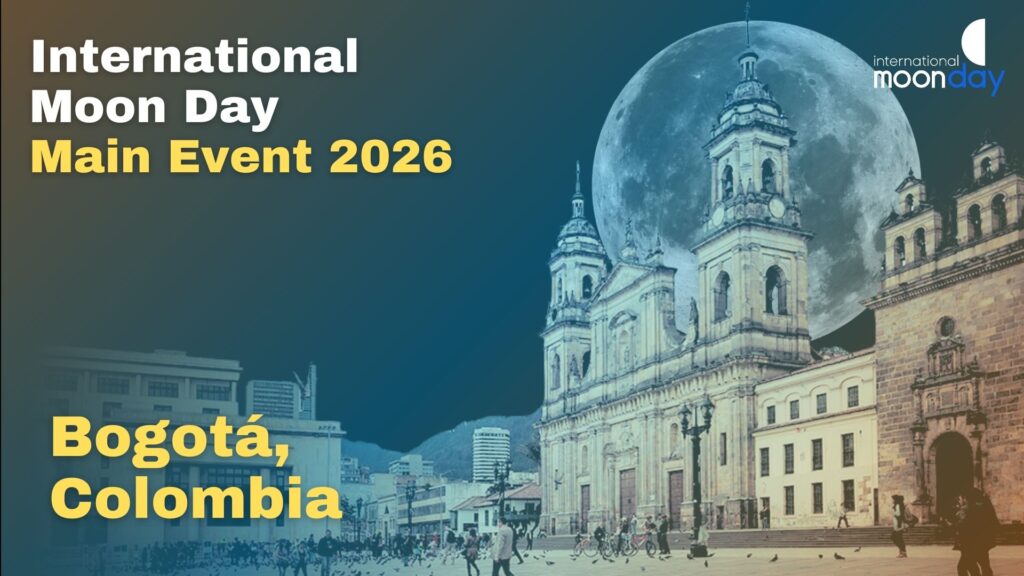
Colombia is the host country of the International Moon Day Main Event, the world's leading celebration dedicated to promoting international cooperation, science outreach, and knowledge about lunar exploration. Bogotá serves as the meeting point for researchers, representatives of international organizations, space agencies, experts in space law, science communicators, and the general public. Maloka Museo Interactivo will host this special event, connecting Colombia with the global conversation on the present and future of lunar exploration. Register to participate!


The IMD Main Event 2026 will take place in Bogotá, Colombia on July 20, 2026, at the Maloka Museo Interactivo. The event is being organized by the MVA National Coordinator in Colombia, Francisco Forero, in collaboration with a dedicated team from the Universidad Nacional de Colombia. The IMD Main Event will be broadcasted live in this page and on the IMD Youtube Channel.
Livestream begins on July 20 at 9 am COT / 4 pm CEST.


Agenda Program
9:00 AM COT / 4:00 PM CEST | Opening
Opening Remarks by Francisco Forrero, Master of Ceremonies
Welcome by Irina Lopez, Maloca Interactivo Representative
Welcome by Nasr Alsahhaf, IMD Co-Chair
Greetings by:Aarti Holla-Maini, Director, UNOOSA
Wu Weiren, DSEL Director (China)
9:30 AM COT / 4:30 PM CEST | Keynotes

Objective 2030: Garavito Crater, Armando Higuera, Director, National Astronomical Observatory (Colombia)
ATLAC (Action Team on Lunar Activities Consultation), Ulpia-Elena Botezatu, Space Policy Officer at the Romanian Space Agency & ATLAC Co-Chair (Romania)
Colombia Looks Up, A New Chapter in Space, Raul E. Gutierrez G., National Space Society Colombia
10:40 AM COT / 5:40 PM CEST| Coffee Break
11:00 AM COT / 6:00 PM CEST | Greetings & TributeGreetings – Marco Antonio Chamon, President, Brazilian Space Agency
Tribute to Cesar Ocamp
Introduction to ROund table – Rodrigo Vesule, MVA Regional Coordinator, Latin America
11:35 AM COT / 6:35 PM CEST | Roundtable: Latin American Space Law & Future Pathways

Moderator: 
 Gabriela Cárdenas, MVA National Coordinator, ColombiaIvan Luna, Space Systems & Technology Strategy Consultant, Colombia
Marcia Alvarenga – Brazilian Space Agency Representative, Brazil
Lucas Fonseca – Brazilian Entrepreneur, Brazil
Fermin Romero Vazquez – Space Strategy Expert, Mexico
Rodrigo Vesule – MVA Regional Coordinator, Latin America
12:25 PM COT / 7:25 PM CEST | Keynote
The US Moon Base and its Commercial applications, Jim Keravala, OffWorld Inc., USA
12:35 PM COT / 7:35 PM CEST | Closing RemarksClosing Remarks by Cnel. Sonia Ruth Rincon Urbina.

LIVESTREAM: Colombia es el país anfitrión del Evento Central del Día Internacional de la Luna (International Moon Day), la principal celebración mundial dedicada a promover la cooperación internacional, la divulgación científica y el conocimiento sobre la exploración lunar. Bogotá es el punto de encuentro de investigadores, representantes de organizaciones internacionales, agencias espaciales, expertos en derecho espacial, comunicadores científicos y público general. Maloka albergará esta jornada, que conectará a Colombia con la conversación global sobre el presente y el futuro de la exploración lunar.


International Chess Day 2026; July 20th.

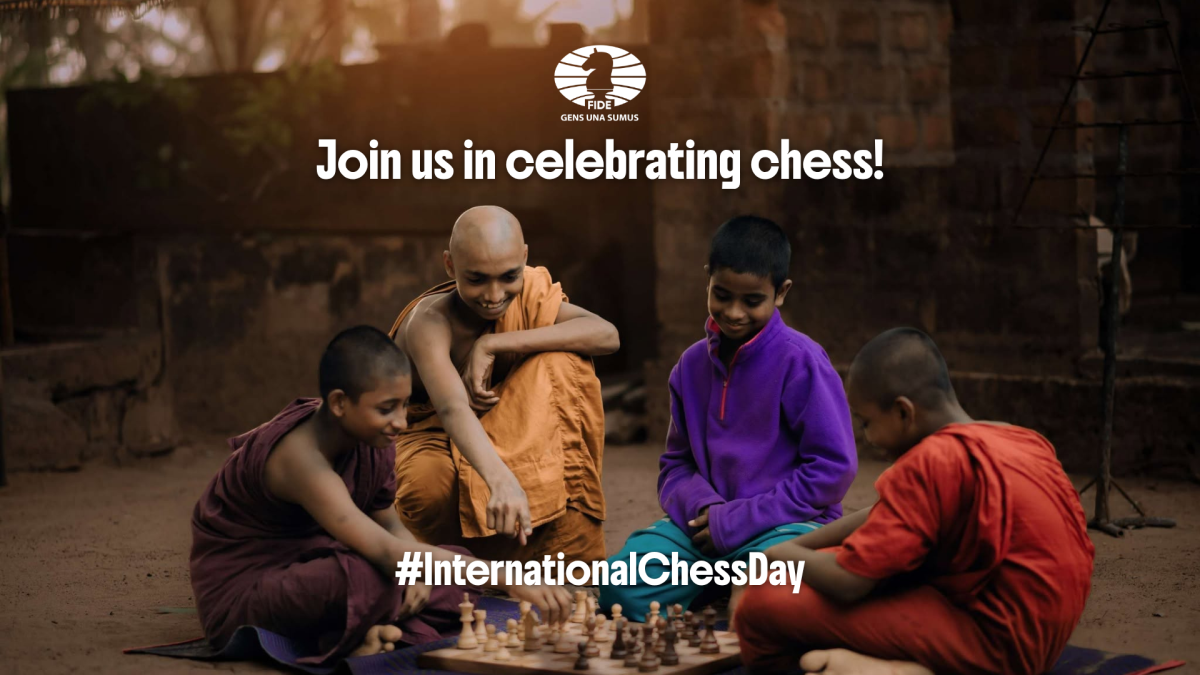
International Chess Day 2026


FORUM: "Celebrate, create and make a difference.'' International Chess Day 2026. Every year, the global chess community comes together to celebrate chess and to mark the founding of FIDE in 1924. More than a commemoration of the game’s history, the day is a celebration of chess’s unique ability to connect people across countries, cultures and generations. To play chess; Choose someone close to you. You can change somebody’s life by teaching him/her a beautiful game, but you will also be spending some quality time and creating or reinforcing a special bond with that person. If your children already play, maybe you can invite your nephew or your son’s best friend. Maybe you can finally teach your boyfriend how to play, or your high-school best mate. Or you could propose this as an after-work activity with your colleagues at the office. You can start using the hashtag #Internationalchessday in your social media posts during the weekend leading to July 20th. But the very important day is Monday: please make sure to make at least one or two posts with the official hashtag, if possible early in the morning. That will ensure that other users will follow.

July 20th.


EVENTS: This Tuesday, July 20th, we will celebrate International Chess Day 2026. As you probably know, this date also marks FIDE’s 102nd anniversary. This year, FIDE invited players, federations, clubs, schools, organisers and chess enthusiasts around the world to celebrate by taking chess beyond the traditional playing hall. The challenge was simple: stage a game in the most unusual, meaningful or symbolic place imaginable – whether on a mountaintop, beside a famous landmark, underwater or anywhere else that captures the imagination. From historic monuments and tropical beaches to schools, village squares and community centers, people from every corner of the world demonstrated that no event is too large or too small to celebrate the game. Every chessboard setup, every new player welcomed and every story shared reinforced chess’s power to unite, inspire and create positive change. Register to participate!


Chess has no age – Sri Lanka


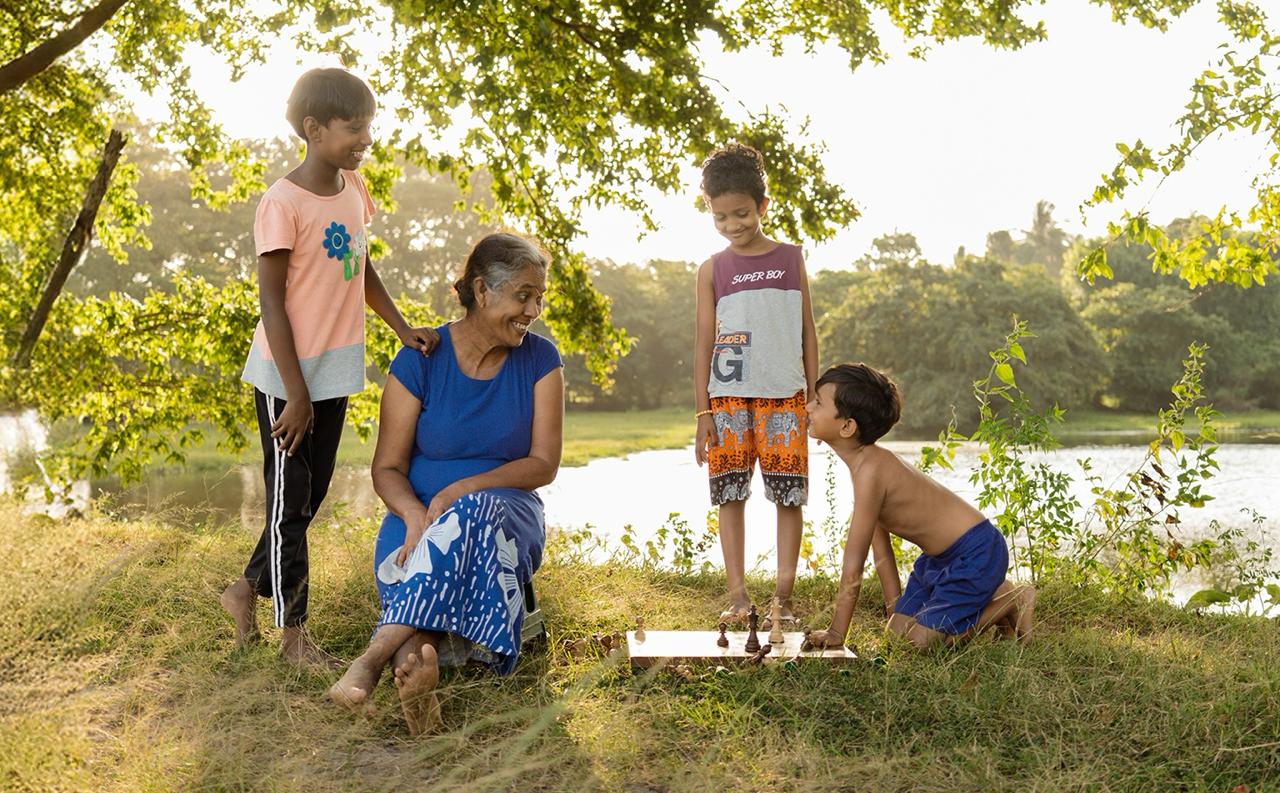
One of the most touching submissions came from Sri Lanka, where FIDE Arbiter and photographer Navod Nethsara created a photo series entitled Chess Has No Age.

Sri Lanka


Set in a rural Sri Lankan village, the story begins with a young child playing chess against an elderly woman. As the game progresses, more children gather around the board, gradually becoming part of the experience. The photographs beautifully illustrate how chess transcends generations, bringing together young and old through a shared passion for the game.

Celebrating tradition on the shores of the Maldives


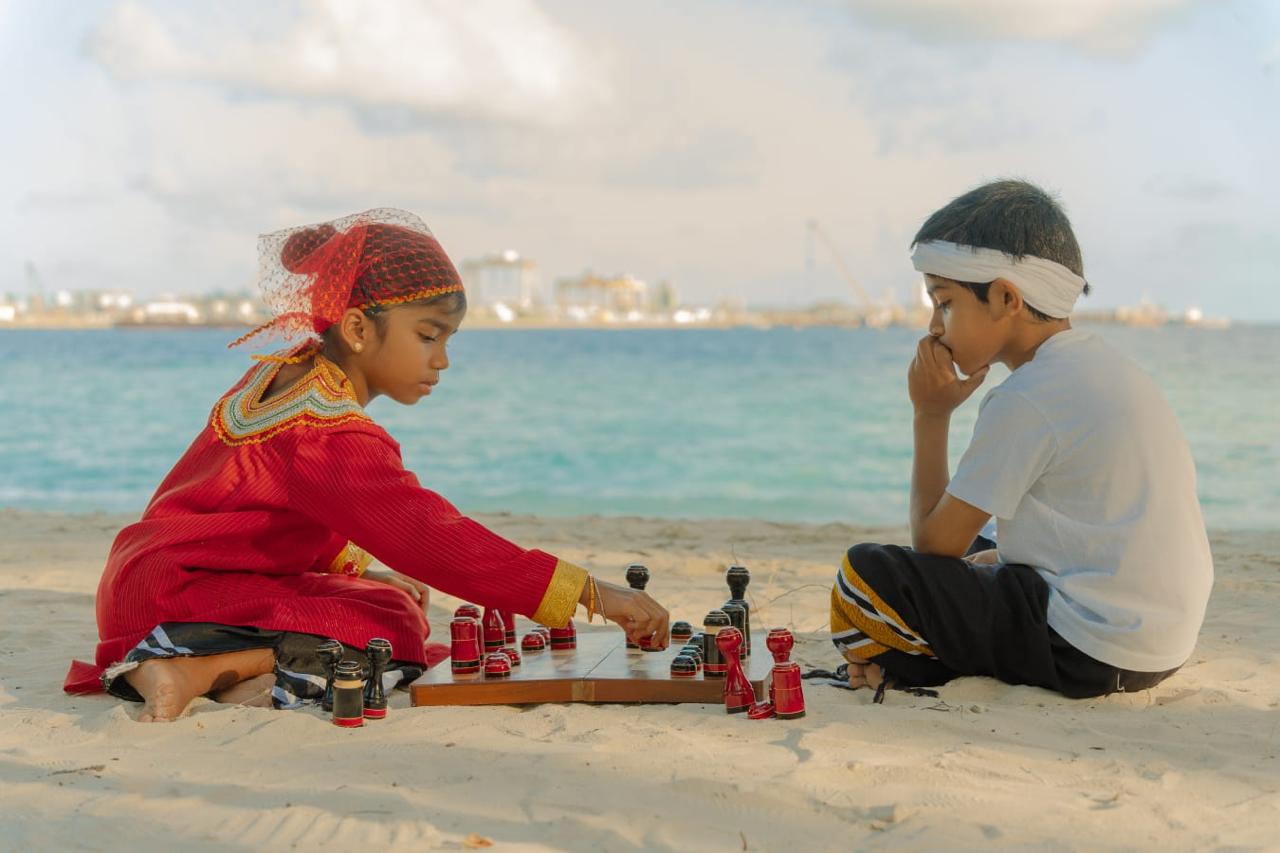
The Maldives showcased Raazuvaa, the country’s traditional counterpart to modern chess. Played with culturally distinctive pieces, the centuries-old game reflects the rich heritage of the islands while sharing the same spirit of strategy and intellectual challenge.


Maldives


Against the stunning backdrop of white sandy beaches and turquoise waters, the photographs also celebrated another important story: the growing success of women in Maldivian chess. While the country’s chess community continues to develop, female players are leading the way, breaking barriers and achieving remarkable results.

Chess among centuries of history – Pakistan

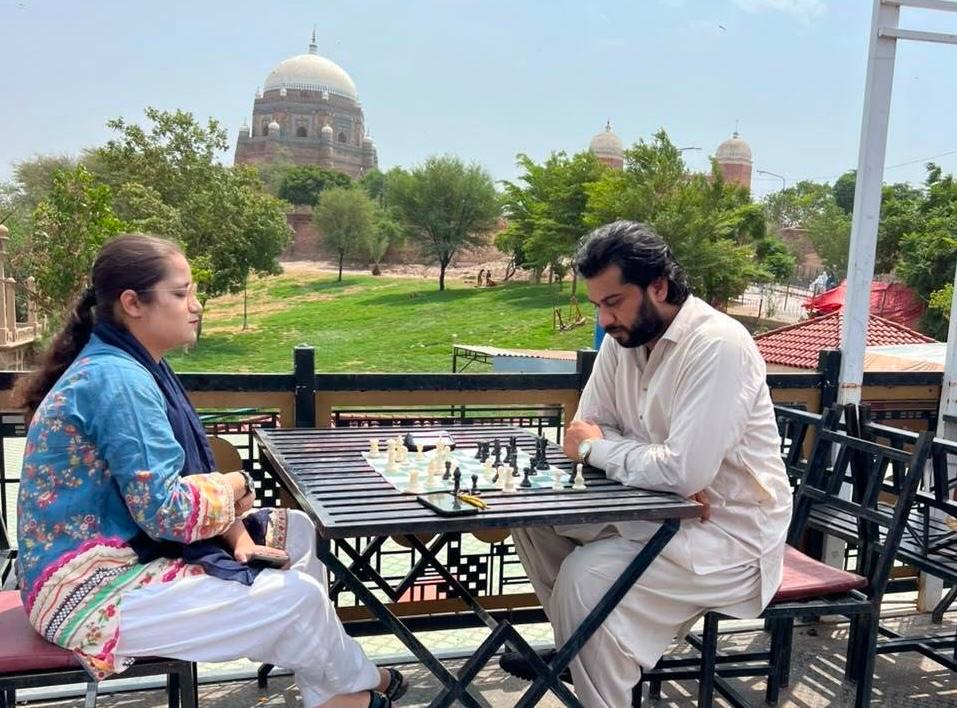
In Pakistan, players gathered at the magnificent Qila Kohna Qasim Bagh in Multan, one of the world’s oldest continuously inhabited cities.

Pakistan


Surrounded by centuries of history, participants demonstrated strategy, patience and creativity while celebrating the timeless appeal of chess. The event also encouraged young people to embrace the game as a pathway to critical thinking and lifelong learning.

Inspiring the next generation – India

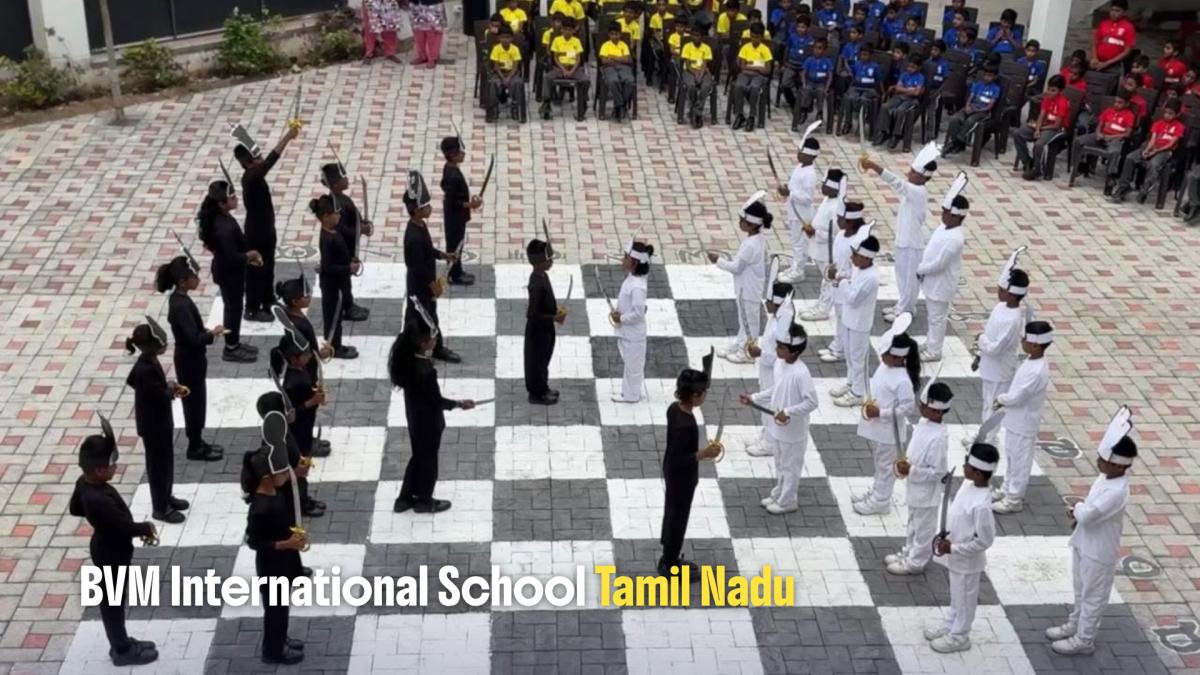
Across India, International Chess Day became a celebration of learning.
In West Bengal, Filix School of Education and the Purulia Chess Association marked the occasion by launching the Filix Chess Club, providing young players with new opportunities to develop analytical thinking, concentration and sportsmanship.

India


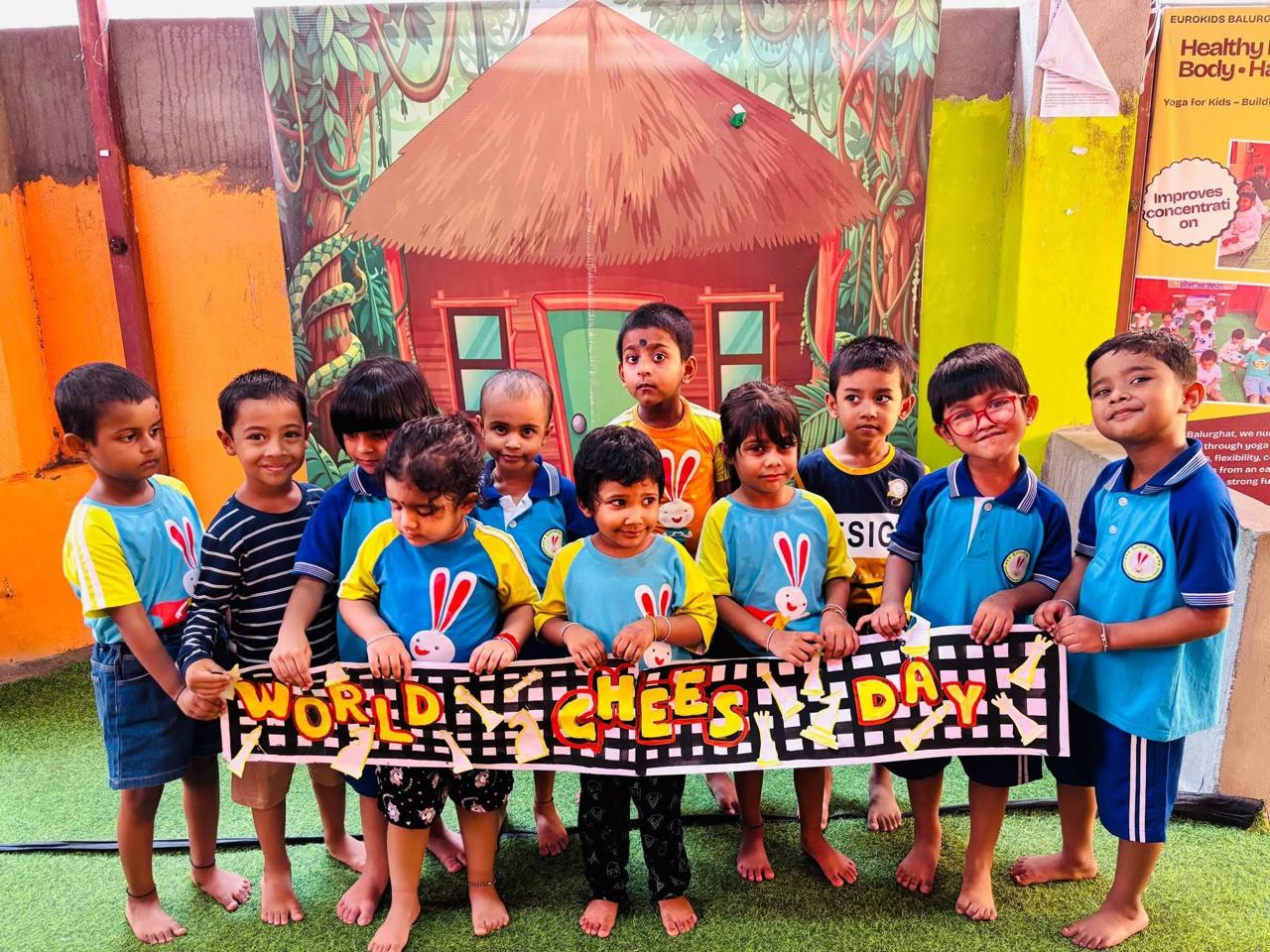
Meanwhile, at EuroKids Balurghat School, even the youngest children joined the celebration. Through playful activities, they discovered how knights move, how pawns become powerful and how every game develops patience, focus and imagination. As the school proudly joked, “Watch out, Magnus Carlsen – the next generation of genius is on its way.”

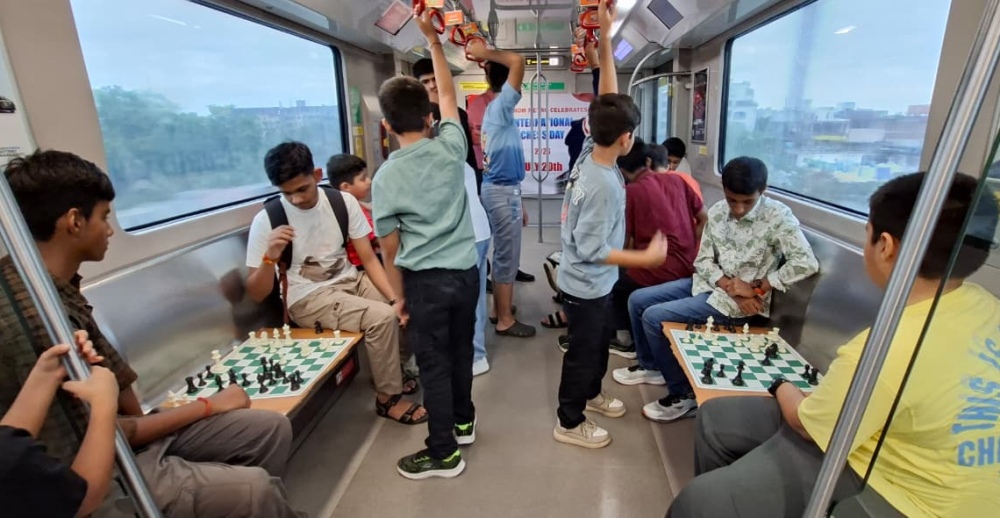
On the occasion of International Chess Day, Lucknow Metro in Uttar Pradesh hosted the Chess on Wheels event, where young chess enthusiasts participated in an exciting speed chess tournament while traveling from Munshipulia to Hazratganj Metro Station.
United Kingdom


Building stronger communities – United Kingdom

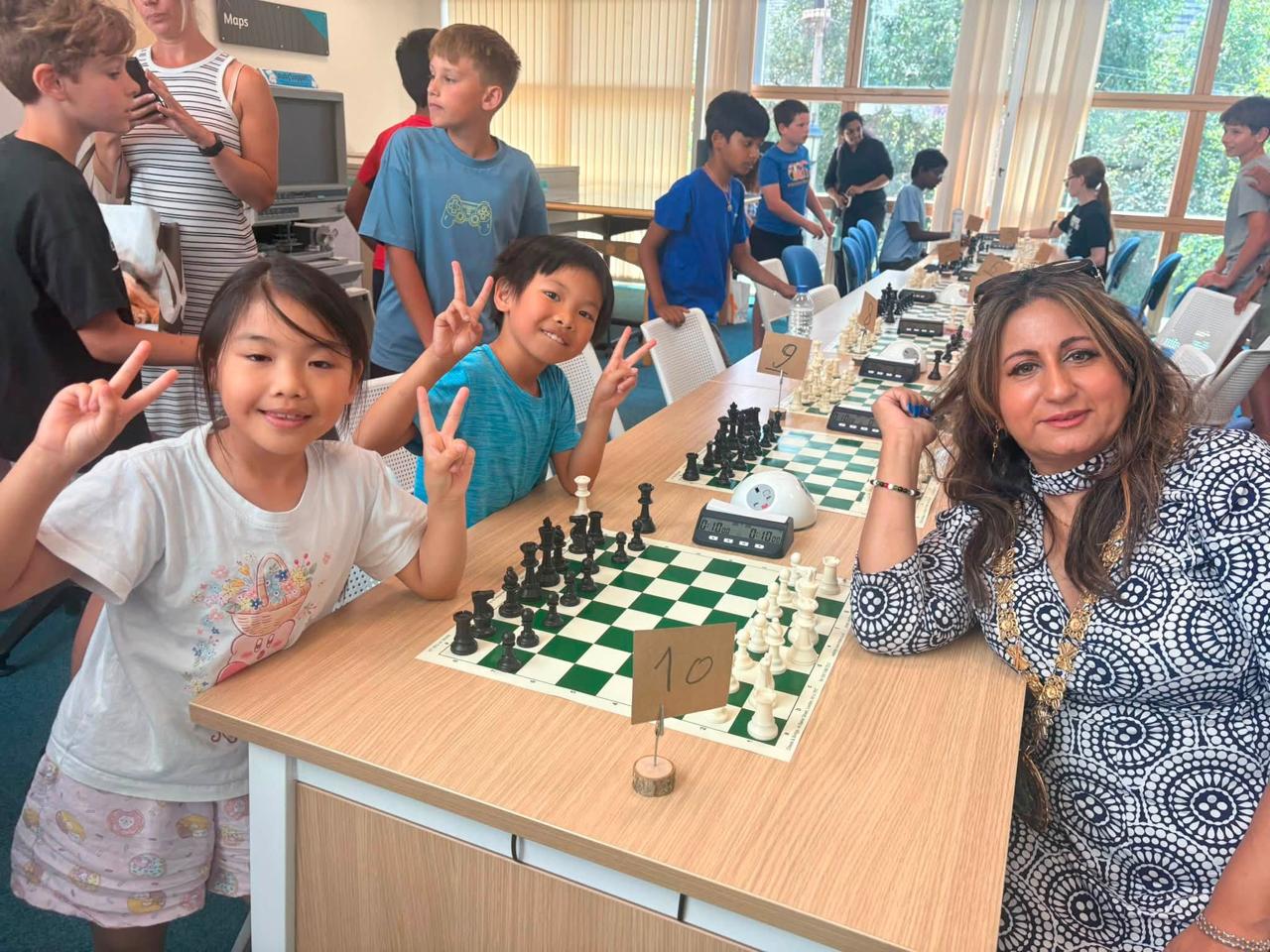
The town of Rugby in the United Kingdom hosted an inclusive International Chess Day celebration that brought together school champions from across the Midlands.

Supported by Chess in Schools and Communities coach Anthony Mathurin, the event highlighted chess as a universal language that transcends age, language and physical ability. Mayor Nooria Sayani connected the celebration with her annual theme of community, compassion and cohesion, emphasising how chess encourages critical thinking, resilience and meaningful connections between people in an increasingly technological world.

United Kingdom


The festivities even showcased the growing popularity of chess boxing in Rugby – a unique discipline combining mental strategy with physical endurance.

Changing lives through chess – South Africa

At Kagisono Combined School in Soutpan, South Africa, educator and coach Thato Lempe shared how chess has become a powerful educational tool.


Recognising that not every learner thrives in traditional classroom settings or physical sports, he introduced chess to help develop focus, discipline and resilience. His vision extends far beyond competition: he hopes to create a school where chess achievements are celebrated alongside sporting success, empowering learners to become confident thinkers, leaders and problem-solvers.

Festivals, public squares and historic churches

International Chess Day was also celebrated in many other remarkable locations.
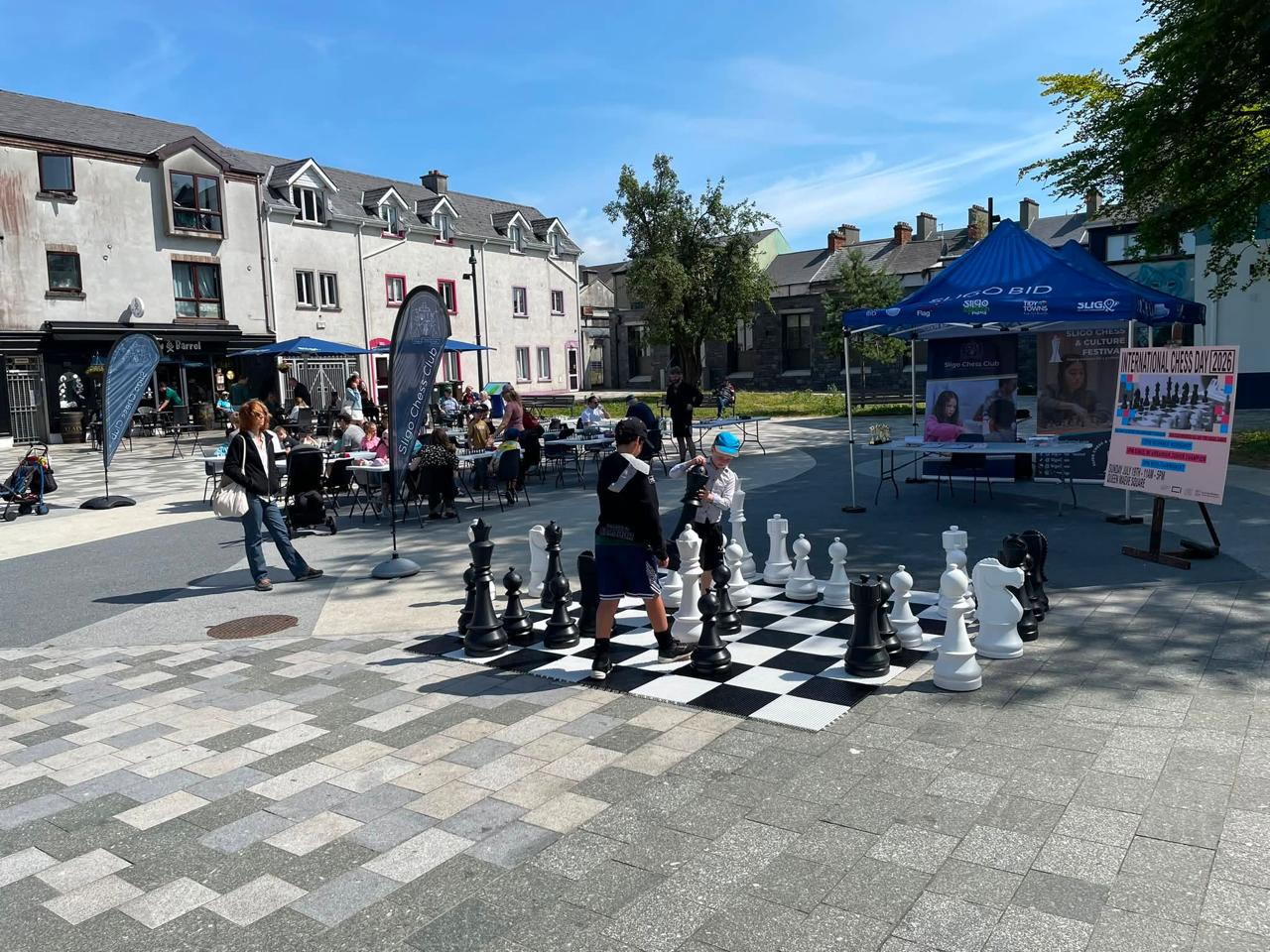
In Ireland, the Sligo Chess and Culture Festival transformed Queen Maeve Square into a vibrant meeting place for chess and culture.


In Spain, chess found a unique setting inside the beautiful Romanesque Church of Nuestra Señora de la Asunción in Duratón, where history, architecture and the game came together in an unforgettable atmosphere.

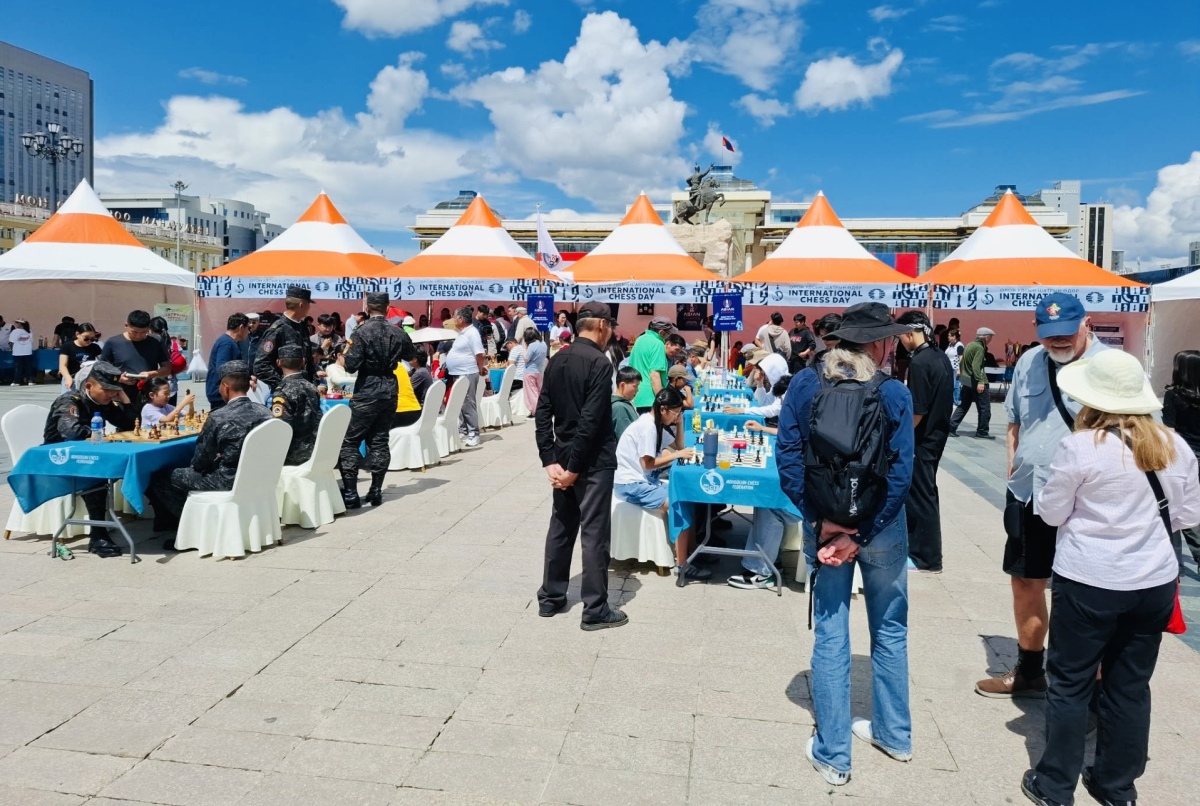
The Mongolian chess family and chess enthusiasts celebrated International Chess Day at the iconic Sükhbaatar Square in Ulaanbaatar. Initiated by Gombojav Zandanshatar, President of the Mongolian Chess Federation, the festivities brought together players of all ages and backgrounds, showcasing chess as a game that unites communities, inspires future generations, and promotes friendship and mutual understanding.


Mongolia

Statement of the President of the FIDE on the International Chess Day 2026; July 20th.


“Dear chess friends,

Chess belongs everywhere

These are just a few of the many stories received by FIDE this year. Together, they demonstrate that chess belongs everywhere – to schools and city squares, beaches and villages, historic landmarks and places of worship. Most importantly, it belongs to everyone.
FIDE thanks every federation, club, organiser, volunteer, teacher, parent and player who helped make International Chess Day 2026 a truly global celebration.

If you have not yet celebrated, there is still time to join. Set up a board in your favourite place, introduce someone to the game, organise an event in your community, or simply share your chess story with the world. Every celebration – big or small – helps show how chess continues to bring people together across borders, generations and cultures.

Happy International Chess Day!

Arkady Dvorkovich.
FIDE President”


ACTIVITIES: Some of you might be seasoned chess teachers, but many others have never taught the basics chess to absolute beginners. During the days leading to the weekend, try to gather some materials, watch some tutorials, and do some reading. From FIDE, we will stimulate the exchange of information and will share the most interesting ones, in different languages. Let’s help each other with the preparations.


“What is the real magic of social chess?” FIDE panel shares stories of change.


This year, FIDE invites players, federations, clubs, schools, organisers and chess fans everywhere to take part. 


The panel is deliberately designed to focus not on abstract theories but on real-world impact. This panel does not talk about chess; it talks about what chess makes possible– in prisons, schools, communities, ministries, and research labs.

Online Panel Discussion


There are many ways to get involved:
  •  you could stage a game in an unusual location, 
  • run an inclusive community event, or
  •  join the live-streamed global conversation about chess and social change. 

No event is too large or too small. Every game played, every person welcomed, and every story shared helps demonstrate chess’s unique ability to unite, inspire and create positive change.

Take chess beyond the board with Creative Chess


FIDE once again invites the global chess community to celebrate International Chess Day by taking part in Creative Chess, a challenge to promote the game in the most imaginative way possible.The idea is simple: set up a chess game in the most unusual, meaningful or symbolic place you can think of. It could be on a mountaintop, underwater, beside a famous local landmark or anywhere else that captures the imagination. Last year’s challenge produced a wonderful outpouring of creativity from around the world. Submissions included a rooftop game beneath the Sagrada Família in Barcelona, chessboards on the slopes of volcanoes in Costa Rica, a submerged set in the world’s deepest pool in Dubai and games played across the streets, trains and temples of Mumbai. Players, families, schools and even a few pets joined the celebration, all united by one game.


To participate, organize your creative chess game or moment in the days leading up to and around International Chess Day. Share your photos or videos on social media using #InternationalChessDay and tag FIDE. The most original and inspiring submissions may be featured across FIDE’s official social media channels. The board may have 64 squares, but the world of chess is boundless. Where will you take the game?

Celebrate participation and inclusion with FIDE WOM

The FIDE Commission for Women’s Chess (WOM) invites federations, clubs, schools, academies and organizers worldwide to mark International Chess Day by creating opportunities that encourage equal participation throughout the chess community. Activities can take many forms: a tournament, simultaneous exhibition, workshop, lecture, introductory lesson, school programme or informal community gathering. Organizers are encouraged to design welcoming events that bring people together, introduce new participants to chess and highlight the contributions of women and girls to the game.

Every initiative counts. A small club activity can be just as meaningful as a large international event when it creates a supportive space in which more people feel encouraged to play, learn, organize and lead.


How to participate?

Organize an event around International Chess Day and share photos, videos and highlights on social media. Tag the FIDE Commission for Women’s Chess and use #InternationalChessDayWOM so that activities from across the world can be brought together as part of the global celebration. After the event, organizers are invited to submit a short report accompanied by two or three photographs to project coordinator Anna Kantane at anna.kantane@gmail.com. Together, these events will showcase the remarkable work taking place within chess communities worldwide while inspiring greater participation and creating new opportunities through the game.

Join the global discussion: Chess as a Force for Social Change

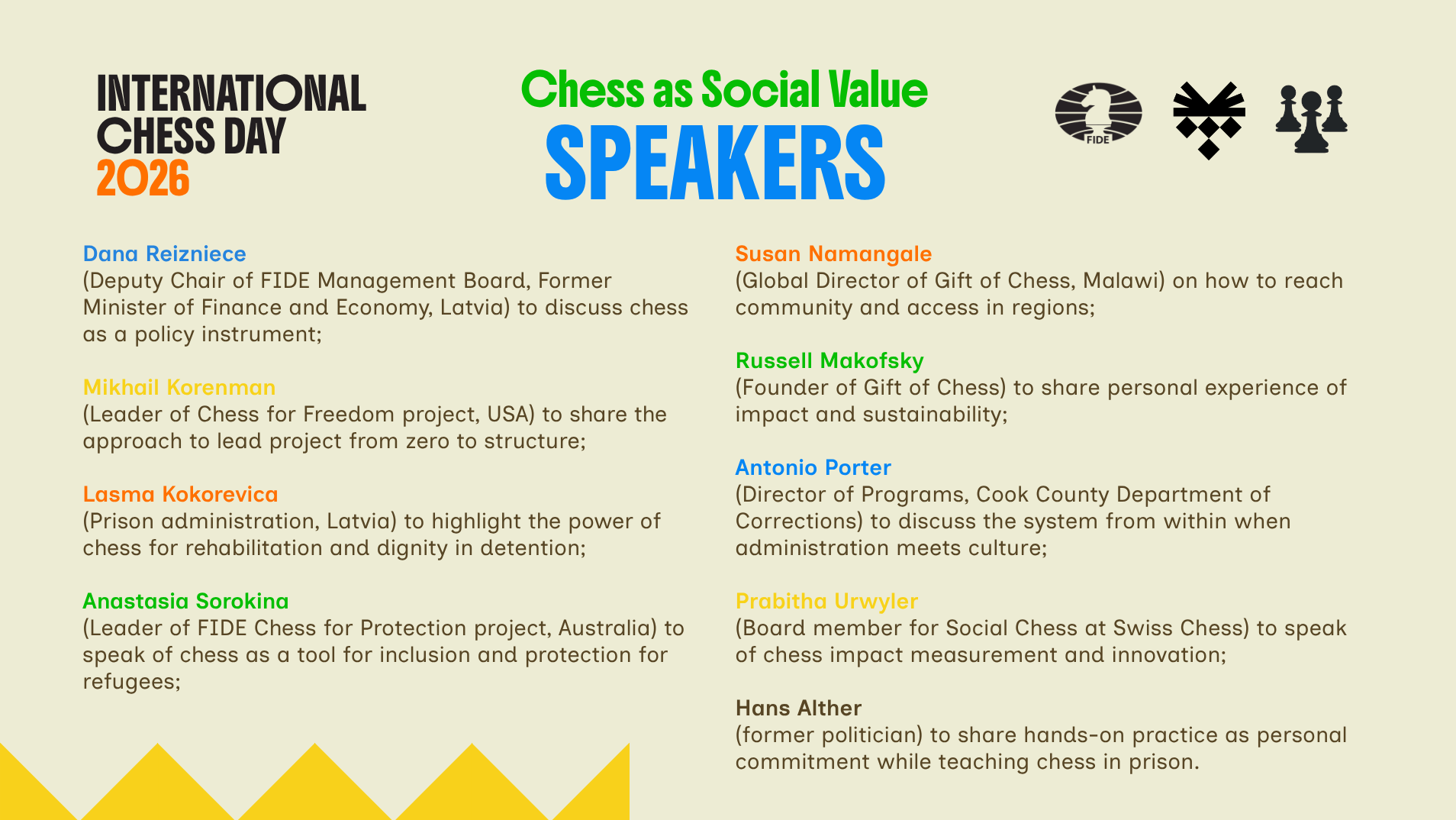
As part of the International Chess Day celebrations, the FIDE Social Commission will host a special interactive panel discussion exploring how chess can serve as a practical tool for rehabilitation, protection, inclusion and development. Titled “Chess as Social Value: From the Chessboard to Society,” the 60-minute live discussion will bring together policymakers, researchers, programme leaders and practitioners who are using chess to create tangible change in communities around the world. Rather than focusing on chess solely as a sport, the conversation will examine what the game makes possible: in prisons, refugee communities, schools, social programmes, government institutions and research environments. Through concrete examples drawn from the speakers’ direct experience, the panel will demonstrate how chess can build confidence, encourage positive behavior, support education and create opportunities for people in vulnerable or underserved communities. 

The discussion will feature nine speakers representing a wide range of international projects and professional backgrounds:

  1.  Dana Reizniece, Deputy Chair of the FIDE Management Board and former Minister of Finance and Minister of Economics of Latvia
  2. Mikhail Korenman, leader of the Chess for Freedom project, United States
  3. Lasma Kokorevica, representative of the Latvian prison administration
  4. Anastasia Sorokina, Chair of the FIDE Commission for Women’s Chess and leader of the FIDE Chess for Protection project, Australia
  5. Susan Namangale, Global Director of The Gift of Chess, Malawi
  6. Russell Makofsky, founder of The Gift of Chess
  7. Antonio Porter, Director of Programs at the Cook County Department of Corrections
  8. Prabitha Urwyler, Swiss Chess Federation board member responsible for Social Chess
  9. Hans Alther, prison chess educator and practitioner

Structured around a series of guiding questions, the session will invite the speakers to share practical lessons, measurable outcomes and personal experiences from their work. Audience members will also have an opportunity to submit questions and take part in the discussion.

Date: Monday, July 20, 2026
Time: 15:00 CEST
Duration: One hour
Format: Online panel discussion and live global broadcast

July 20th, 2026


Whether you organize an event, stage a game somewhere unexpected, join the online discussion or simply play with someone new, be part of International Chess Day 2026. On July 20, let us show the world not only where chess can be played, but also where chess can lead.


CONFERENCES & SEMINARS: On June 15th, 2026 was held a seminar entitled ''Chess emerging as a tool for brain-computer innovation.''


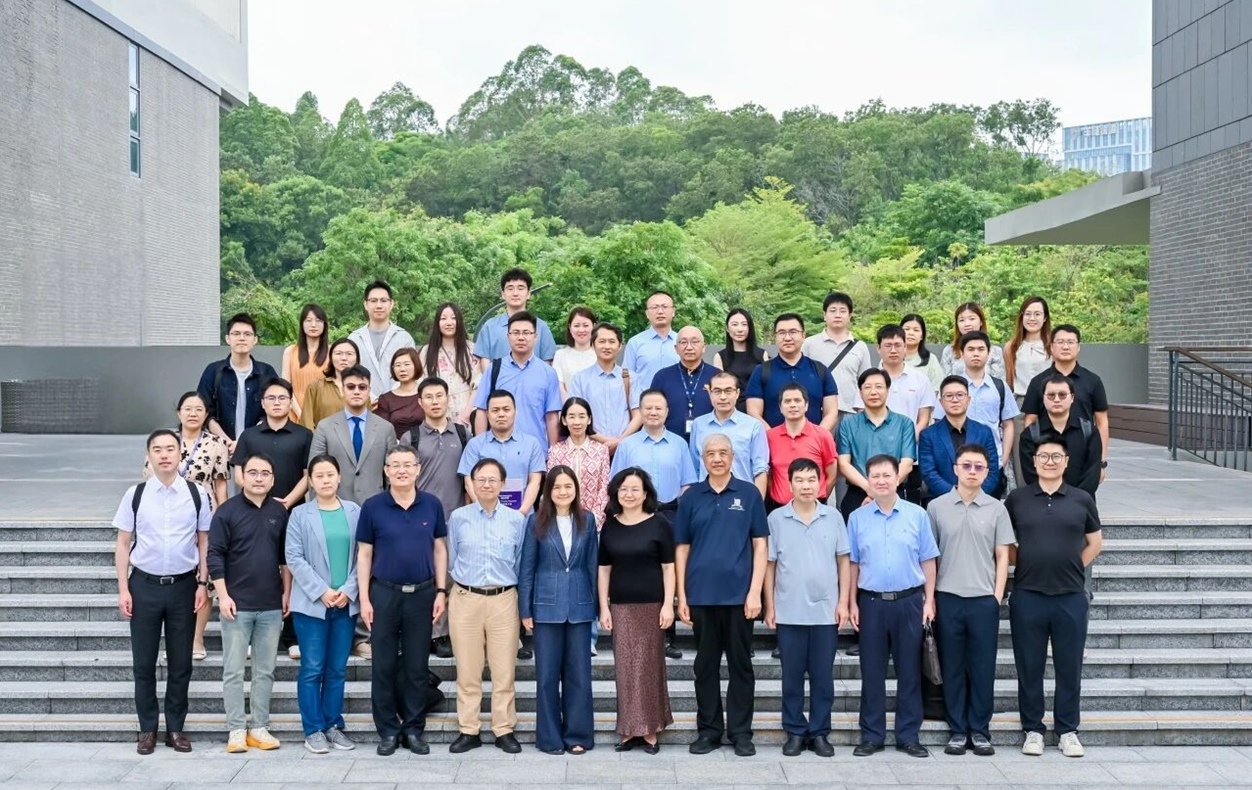
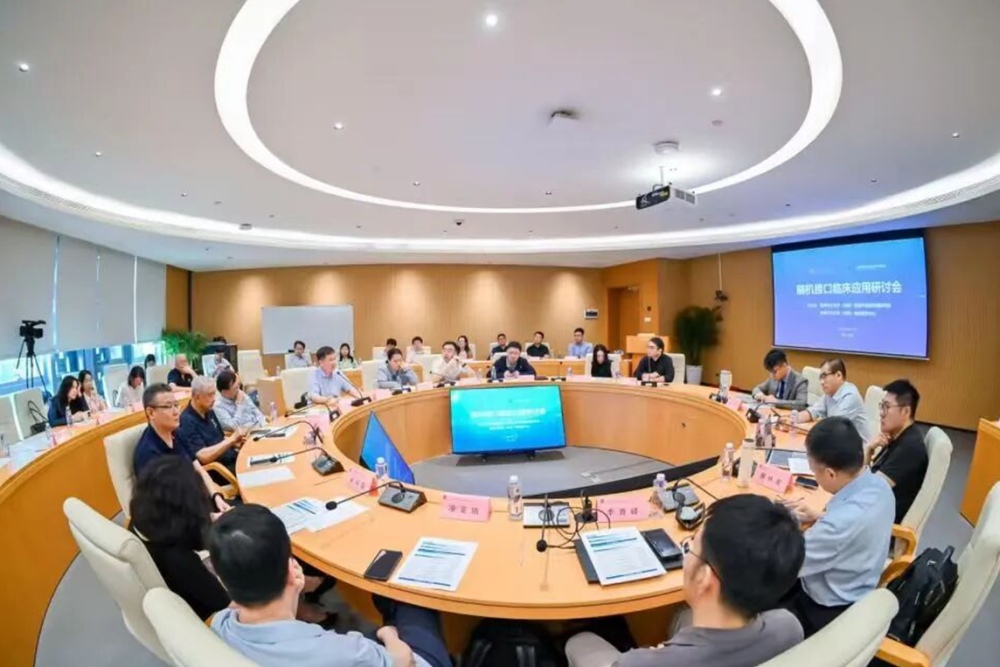
FIDE Treasurer and Women’s World Champion Zhu Chen, together with WIM Liang Zhihua, attended the “Brain-Computer Interface (BCI) Clinical Application Symposium” on June 11, as special guests at The Chinese University of Hong Kong, Shenzhen (CUHK-Shenzhen). Chess has long been associated with intelligence and human creativity. Increasingly, the game is finding its place at the cutting edge of brain science. FIDE representatives and chess players were invited to attend an event that brought together leading neurologists, clinicians, and technology companies working on brain-computer interface systems. At first glance, chess may seem an unusual guest at a medical symposium. Yet over the past year, the game has emerged as one of the clearest demonstrations of what brain-computer interface technology can achieve.

Medical symposium


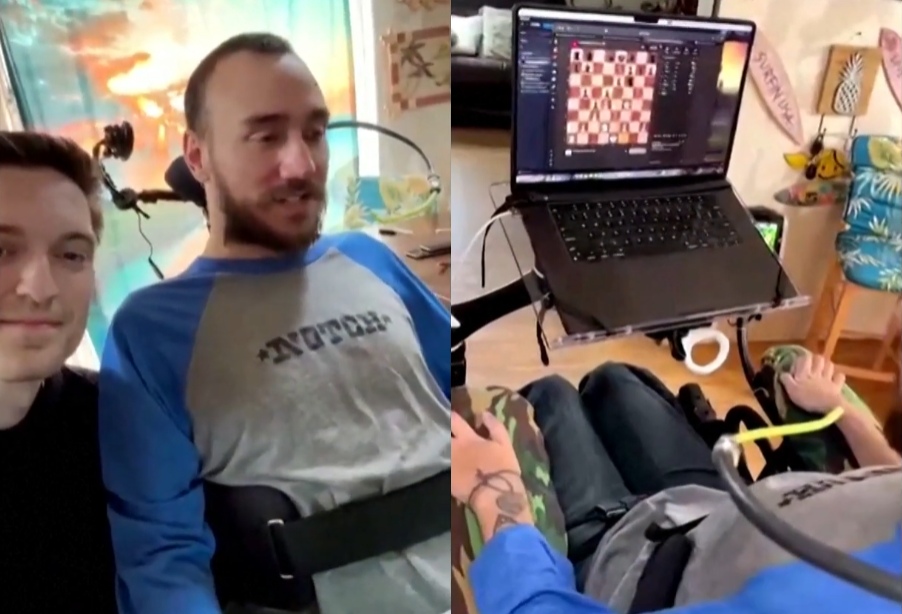
The event comes nine months after a historic moment in September 2025, when Neuralink patient Noland Arbaugh played a game of chess online against Swedish WFM Anna Cramling, marking the first time chess appeared on the global stage as a real-world BCI application. The match served as a public demonstration of how consumer-grade digital platforms can integrate with next-generation medical hardware. During the match, Arbaugh, who was left quadriplegic after a swimming accident in 2016, controlled his side of the board on chess.com using a coin-sized Neuralink skull implant that contained over 1,000 electrode threads tracking his neural intent. The match highlighted a shift from robotic arm movements towards complex cognitive multitasking.


Chess game


That connection was reflected in discussions at the Shenzhen symposium. Researchers from top Chinese institutions took part, including Peking Union Medical College Hospital; Xuanwu and Tiantan Hospitals, affiliated with Capital Medical University; Huashan Hospital, affiliated with Fudan University; Southeast University; and many others from the Greater Bay Area. Representatives from BCI companies also attended.

During the conference, chess was recognized as a tool for connecting scientific research and technology in the study of cognitive functions. Zhu Chen, a former Women’s World Champion, shared her views from the perspective of a chess player, linking scientific discussions with a board game built on human thought.

“It was very interesting to see the extent to which science has advanced in brain research. It seems almost sci-fi! It was exciting as well as heartwarming to hear that chess, an ancient game, has a very important role to play in the groundbreaking research which will strongly impact the future of humanity,” said Zhu Chen.


“FIDE has always been supportive and open to working with scientific institutions and organizations and will continue to do so,” Zhu added.

Experts also shared the latest advances in using BCI to treat Parkinson’s disease, epilepsy, consciousness disorders, and spinal cord injuries and highlighted the rapid development of BCI research in China. The organizers said that the next stage of the project will involve multicenter clinical projects with leading BCI companies in China. Chess was again recognized as a useful tool for hypothesis testing. Whether those efforts ultimately transform medical treatment remains to be seen, but what is clear is that chess has a role to play in supporting scientific research and development.

Photos: Liang Ziming and Neuralink live stream

SEMINAR