Saturday, 16 November 2024

International Day of Tolerance 2024; November 16th.

FORUM: "Towards a peaceful and tolerant societies." International Day for Tolerance 2024. Tolerance recognizes the universal human rights and fundamental freedoms of others. Tolerance is much more than passively accepting the other. It brings obligations to act, and must be taught, nurtured and defended. Tolerance requires investment by States in people, and in the fulfilment of their full potential through education, inclusion and opportunities. This means building societies founded on respect for human rights, where fear, distrust and marginalization are supplanted by pluralism, participation and respect for differences. Follow the conversations with the hashtags: #tolerance, #16November, #InternationalDayforTolerance, #ToleranceDay.

EVENTS: On November 16th; The UNESCO, the UNAOC, the UN ACADEMIC IMPACT and the OHCHR will organize a webinar to mark the International Tolerance Day 2023 to generate public awareness of the dangers of intolerance and to teach the values of peace, responsible citizenship, equality, and tolerance in all circumstances.

PRIZE: UNESCO-Madanjeet Singh Prize for the Promotion of Tolerance and Non-Violence. In 1995, to mark the United Nations Year for Tolerance and the 125th anniversary of the birth of Mahatma Gandhi, UNESCO created a prize for the promotion of tolerance and non-violence: the UNESCO-Madanjeet Singh Prize. This Prize rewards significant activities in the scientific, artistic, cultural or communication fields aimed at the promotion of a spirit of tolerance and non-violence. The creation of the Prize has been inspired by the ideals of UNESCO’s Constitution that proclaims that "peace, if it is not to fail, must be founded on the intellectual and moral solidarity of mankind".


CAMPAIGN: Diversity is a strength, not a threat.
On Saturday's Tolerance Day & every day, let’s embrace tolerance, respect for diversity, and understanding —values that unite us and make us stronger.

Thursday, 14 November 2024

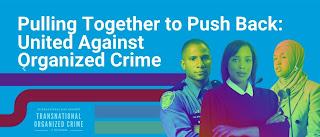
International Day for the Prevention of and Fight against All Forms of Transnational Organized Crime 2024; November 15th..


FORUM: “Organized crime steals, corrupts and kills. It’s time we pull together to push back.“ International Day for the Prevention of and Fight against All Forms of Transnational Organized Crime 2024. The Open Debate on "Threats to International Peace and Security - Transnational Organized Crime, Growing Challenges and New Threats", held in December 2023, highlighted the serious concerns expressed by the Security Council regarding this escalating threat. The United Nations Secretary-General affirmed: "Transnational organized crime is a vicious threat to peace, security and sustainable development wherever it operates. And it operates everywhere - in all countries, rich and poor, North and South, developed and developing". On the same occasion, the President of the Security Council issued a statement expressing concern about the links between international terrorism and organized crime and the use of new technologies by criminal networks; he also stressed the importance of enhancing cooperation to combat transnational organized crime and recognized the role of civil society in achieving this goal. Recently, the Pact of the Future dedicated Action 24 to this issue, focusing in particular on efforts to combat transnational organized crime and related financial flows through the implementation of comprehensive strategies that should include prevention, early detection, protection, law enforcement, addressing root causes and cooperation with relevant stakeholders. In addition, the Pact of the Future calls to strengthen international collaboration to prevent and combat cybercrime and welcomes the elaboration of the draft Convention against Cybercrime, which is scheduled for adoption by the end of this year. Furthermore, the Discussion guide for the Fifteenth United Nations Congress on Crime Prevention and Criminal Justice to be held in Abu Dhabi in 2026, delivered in May 2024 by Commission on Crime Prevention and Criminal Justice, focuses, inter alia, on Achieving the 2030 Agenda for Sustainable Development through crime prevention and criminal justice efforts. In particular, the following points have been underscored: • On the occasion of the 14th United Nations Congress on Crime Prevention and Criminal Justice held in 2021, Member States with the “Kyoto Declaration” acknowledged the interconnected and mutually reinforcing nature of sustainable development and the rule of law. They recognized that crime hinders sustainable development, and that achieving sustainable development enables States to effectively prevent and combat crime. Effective criminal justice systems can contribute to socio-economic development by reducing violence, improving social cohesion, and providing avenues for redress when rights are violated. Conversely, development can enhance crime prevention by reducing inequality and addressing the root causes of crime through social development programs. Investing in effective criminal justice institutions within development programs positively impacts justice reform. Recognizing the linkages between crime prevention, criminal justice and the 2030 Agenda necessitates a comprehensive approach that enhances safety and security while promoting equitable economic growth, social cohesion, and the rule of law. Renewed efforts are essential to ensure that sustainable development, supported by a resilient and just framework, ultimately contributes to the holistic well-being of societies globally. Thus, it is crucial to integrate the 2030 Agenda into national and international crime prevention and criminal justice strategies. Member States and Observers of the General Assembly, as well as representatives of UN Agencies, regional and sub-regional organizations and other relevant stakeholders including CSO will be invited to attend. Follow the conversations with the hashtags: #StopOrganizedCrime, #UNTOC_ReviewMechanism, #TOCday, #15november, #OrganizedFraud, #organizedCrime, #UNTOC.


EVENTS: On November 15th; From 11:30 to 12:30 CET; In light of General-Assembly Resolution 78/267, the UNODC is organizing this High-Level Event to commemorate the first International Day for the Prevention of and Fight Against all Forms of Transnational Organized Crime. Get the flyer and watch the event!


On November 13th, 2024; At the United Nations Headquarters in New York, Conference Room 8 at 11am CET, will be held a High-Level Event to celebrate the International Day for the Prevention of and Fight against All Forms of Transnational Organized Crime 2024. The High-level Event aims at discussing how organized crime represents a risk to international peace, security and sustainable development on a global scale, and in highlighting both regional and international initiatives to address the threat and mitigate its impact. The event will analyze transnational organized crime's harmful impacts on social cohesion, trust in national institutions, rule of law, and the Sustainable Development Goals. The High-Level event will focus on the analysis of national, regional, and international experiences that demonstrate how the effective countering of organized crime has led to significant progress in achieving peace, security, development and social cohesion. Space will also be devoted to examining areas that are still severely affected by transnational organized crime, and to reflecting on actions that the United Nations and the international community can take to counter this trend, including victims of TOC. The event will also be an opportunity to highlight the continuing relevance of the Palermo Convention, the most effective international legal instrument in this fight, which celebrated its twentieth anniversary last year. The High-level event will be held in person and consist of an opening segment, three segments with representatives from Member States, UN agencies and other intergovernmental organizations, as well as Academia, Q&A’s and lastly closing remarks. Get the Agenda programme and Watch The High Level Event to observe the International Day for the Prevention of and Fight against All Forms of Transnational Organized Crime!

From 25 to 30 April 2026 in Abu Dhabi, United Arab Emirates, will be held The Fifteenth Crime Congress under the overall theme “Accelerating crime prevention, criminal justice and the rule of law: protecting people and planet and achieving the 2030 Agenda for Sustainable Development in the digital age”, in line with the General Assembly Resolution 78/223. The Congresses provide a forum for (a) the exchange of views between States, intergovernmental and non-governmental organizations and individual experts representing various professions and disciplines; (b) the exchange of experiences in research, law and policy development; and (c) the identification of emerging trends and issues in crime prevention and criminal justice. Get the Useful Resources on the Overall theme, agenda items and workshop topics, the Discussion guide and learn more about the Generation Justice Initiative. The congress will be organized by the CCPCJ.

PUBLICATION: The release of the new Issue Paper on organized fraud is right on time; The focus of the issue paper is organized fraud that targets individual members of the public or private institutions for the purposes of obtaining a financial or other material benefit. Fraud is an expansive category of crime. One of the greatest challenges to understanding it is its scope. It encompasses a range of criminal behaviours that are bound together by the common principle of dishonesty. The opportunities to employ dishonesty for the purposes of fraud span the full range of social, commercial, financial and technological settings, which can vary in different regions of the world. These opportunities are exploited by criminals from highly diverse backgrounds, ranging from professionals exploiting a legitimate corporate position to cybercriminals from within deprived communities. In this way, fraud is distinct from many other criminal categories that cover more discrete criminal behaviours occurring in specific settings (e.g. burglary). This diversity creates challenges in terms of developing a single, cohesive and comprehensive picture of fraud. The newly adopted resolution on technical assistance recommends enhanced protections for witnesses and victims, along with access to compensation and restitution. Read the full report!


STATEMENTS: Read the statement of the United Nations Secretary-General on the International Day for the Prevention of and Fight against All Forms of Transnational Organized Crime 2024; November 15th and the Statement of the President of the United Nations General Assembly on behalf the International Day for the Prevention of and Fight against All Forms of Transnational Organized Crime 2024; November 15th.


LIVESTREAM: Watch the High-level Event to Commemorate the first International Day for the Prevention of and Fight against All Forms of Transnational Organized Crime.


Wednesday, 13 November 2024

World Diabetes Day 2024; November 14th.


FORUM: ”Diabetes and Wellbeing.” World Diabetes Day 2024. This year’s sub-theme, “Breaking Barriers, Bridging Gaps: Uniting to strengthen Diabetes wellbeing” underpins our commitment to reducing the risk of diabetes, and ensuring that all people who are diagnosed with diabetes have access to equitable, comprehensive, affordable and quality treatment and care. Join us in raising awareness, spreading knowledge and creating lasting change for all affected by diabetes. Activities will also celebrate the experiences of people with all forms of diabetes to help those impacted to take action, including seeking and obtaining essential care. Take a short survey to share your experience of how living with diabetes, or caring for someone who does, affects your physical and mental well-being. Support our call for well-being to be put at the heart of diabetes care; Follow the conversations with the hashtags: #Diabeteslife, #14November, #WorldDiabetesDay, #AccesstoDiabetesCare.


EVENTS: The observance of the World Diabetes Day 2024 will bring attention to the importance of personalized care for millions of people living with diabetes in the Regions. Research shows that patient education plays a crucial role in the management of chronic non-communicable diseases at both population and individual level, which is why person-centred, tailored diabetes care is essential. Explore the worldwide events learn more about activities in your country!


On November 13th, 2024. from 14:00 – 15:00 (Central European Time); The WHO and International Diabetes Federation organized a joint webinar entitled Breaking barriers and bridging gaps: Uniting to strengthen Diabete wellbeing. This webinar will focus on enhancing diabetes well-being by discussing diabetes-related stigma, promoting mental health and fostering a collaborative approach to care. The agenda includes powerful personal stories from people living with diabetes, interactive Kahoot sessions, spotlights on current initiatives from WHO and IDF and a panel discussion with experts. Register to participates!


On November 14th, 2024 from 12:00 – 15:00 in commemoration of World Diabetes Day 2024, the WHO Regional Office for the Eastern Mediterranean is organizing a thought-provoking and informative 3-hour webinar under this year theme.


On November 14th, 2024, The WHO Regional Office for Africa will organize a seminar entitled “Breaking Barriers, Bridging Gaps”, underlining the commitment to reducing risk, and ensuring that everyone diagnosed with diabetes has access to equitable, comprehensive, affordable and quality treatment and care.


On November 14th, 2024 from 16:00 – 17:00 (Central European Time), The PAHO in collaboration with the WHO, is hosting a hybrid event in Mexico City to commemorate World Diabetes Day 2024, which will be broadcast via Zoom. The event will highlight regional successes, challenges and opportunities in diabetes prevention and control.


WEBINARS: November 14th marks the birthday of Sir Frederick Banting, the scientist who first discovered, isolated and administered insulin in one of the greatest medical breakthroughs in history. Join us for the virtual community event in partnership with the International Diabetes Federation (IDF). During this event, we'll hear from diabetes advocates and members of IDF member organisations to learn how they celebrate World Diabetes Day in their country - and what they are advocating for on this special day.


INITIATIVES: Join the Global Diabetes Walk, an initiative created by the World Diabetes Foundation in support of World Diabetes Day. Take to the streets to raise awareness of the impact of diabetes and the importance of physical activity.

Message of WHO Regional Director for Africa, Dr Matshidiso Rebecca Moeti on World Diabetes Day 2024; November 14th.

Against a background of rising diabetes prevalence in Africa, complicated by multiple drivers including urbanization, unhealthy diets and physical inactivity, the theme of World Diabetes Day Day 2024 appropriately emphasizes the imperative of a collaborative approach to this “silent killer”.

World Diabetes Day is marked annually by the international community on 14 November, with this year’s theme, “Breaking Barriers, Bridging Gaps”, underlining World Health Organization’s (WHO) commitment to reducing risk, and ensuring that everyone diagnosed with diabetes has access to equitable, comprehensive, affordable and quality treatment and care.

Diabetes, a chronic lifelong disease that leads to uncontrolled blood sugar levels because the body can no longer produce or use the insulin it produces efficiently.

In the WHO African Region alone, more than 24 million adults are currently living with diabetes, half of whom remain undiagnosed. Left untreated, diabetes can lead to complications such as heart disease, stroke, nerve damage, kidney failure, lower-limb amputation, and eye disease that can result in blindness.

Without urgent interventions, predictions are that the number of people living with diabetes in the African Region will rise to 54 million by 2045,[1],[2] the highest projected increase globally. This poses a significant dual health and economic burden, including catastrophic spending by individuals to control their disease.

Compounding the challenge is that Africa has the lowest investment rate in diabetes care worldwide, at only 1% of the region’s health expenditure. Health systems are also traditionally designed to deal with acute, infectious diseases, without sufficient attention paid to chronic diseases like diabetes.

Managing diabetes requires a sustained effort to balance physical health activity, healthy diet, mental well-being, and WHO in the African Region is committed to holistic solutions, including proper nutrition, access to the requisite essential medicines, and mental health support. Equally crucial are comprehensive prevention strategies to address risk factors including obesity, poor diet and physical activity, combined with community engagement to ensure good support systems and reduced stigma.

In an important step forward at the Seventy-fourth session of the WHO Regional Committee for Africa in August this year, African Member States endorsed WHO’s Framework for the Implementation of the Global Diabetes Compact (GDC) in Africa. Focused specifically on the challenge of integrating diabetes care into broader health systems in a multi-sectoral approach, it provides a roadmap for countries to strengthen diabetes prevention, diagnosis and care, especially at primary health care level.

On World Diabetes Day today, I urge individuals, communities, governments, health workers, policymakers and civil society organizations to join hands and act now. For individuals, prioritize healthy lifestyle, and if you’re already living with diabetes, have regular medical check-ups.

Communities can play their role by creating supportive environments that promote healthy living, reduce stigma, and provide access to affordable diabetes care and education. For governments, we commit our full support to your efforts to implement policies that enhance access to essential medicines, strengthen primary health care systems, and foreground investment in diabetes prevention and care.

Strengthening diabetes control in the African region demands that we address key gaps, including myths and misconceptions about diabetes, fragile primary health care systems and insufficient capacity and training of health care workers.

Together, let us all commit to breaking down the barriers and addressing the gaps, by raising awareness, spreading knowledge, and creating lasting change for everyone in Africa affected by diabetes.


WHO Regional Director for Africa, Dr Matshidiso Rebecca Moeti.
learn more about the
Diabetes and Well-being.


Sunday, 10 November 2024

World Science Day for Peace and Development 2024; November 10th.


FORUM: "Why Science Matters - Engaging Minds and Empowering Future." World Science Day for Peace and Development 2024. The theme will highlight the important role of science in society and the need to engage the wider public in debates on emerging scientific issues. We will also underline the importance and relevance of science in our daily lives. By linking science more closely with society, This year’s observance aims to ensure that citizens are kept informed of developments in science. It also underscores the role scientists play in broadening our understanding of the remarkable, fragile planet we call home and in making our societies more sustainable. The launch of the Decade of Sciences marks an important step in global efforts to harness scientific knowledge for a sustainable future. Led by UNESCO, this Decade aims to mobilize a wide range of scientific disciplines, including basic and applied sciences, social and human sciences, as well as interdisciplinary and emerging fields, to contribute to transformative change in societies, economies, and the environment. By promoting scientific literacy and encouraging collaboration among governments, UN agencies, the private sector and civil society, the Decade seeks to enhance science’s role in pursuing sustainable development goals and working towards a safer, more prosperous future for all. Follow the conversations with the hashtags: #Science4Policy, #sciencematters, #ScienceDay, #10November, #sustainableDevelopment, #WorldScienceDayforPeaceandDevelopment.


EVENTS: On November 10th and during the International week of Science 2024, several activities, workshops and experiments will be held; Explore the International Council of Science (ICS) upcoming meetings and the AAAS upcoming events.

World Science Day for Peace and Development 2024


On November 12th, from 14:00 - 15:30 CEST, you are invited participate to the webinar entitled "Why Science Matters - Engaging Minds and Empowering Future.” to mark the World Science Day for Peace and Development 2024 at UNESCO Conference Room XI. In August 2023, the United Nations General Assembly proclaimed the period 2024-2033 as the International Decade of Sciences for Sustainable Development. This year’s event will be held under the aegis of the Decade. It will present an opportunity to engage a wide-range audience, with a focus on young people (including through the UNESCO Youth Forum and Science Youth Network) and non-scientific participants in discovering and exploring the role of science in our rapidly-changing digitalized world. Young people will have the opportunity to ask questions to distinguished scientists about the ways in which science affects our daily lives and contributes to finding solutions to the most pressing challenges that the world is facing from local to global levels. In this context, the 2024 UNESCO World Science Day event event will close with the ceremony of the UNESCO Kalinga Prize for the Popularization of Science. Get the Agenda Programme and Register to participate!


PUBLICATIONS: Read the The UNESCO standard-setting instruments: the Recommendation on Science and Scientific Researchers (2017) and the Recommendation on Open Science (2021). These instruments articulate a vision where science ecosystems are driven by universal values and aim at making science and its benefits accessible to all.

STATEMENTS: Read the Statement from the Director-General of UNESCO on the occasion of the World Science Day for Peace and Development, 10 November 2024.


Science is essential to peace-building because it offers practical, sustainable solutions to contemporary global challenges. By seeking responses to climate crises, epidemics and resource shortages, science helps to mitigate the root causes of many conflicts. Beyond providing technical solutions, science forges a common language in which concord prevails over division. It creates unique opportunities for international cooperation, as illustrated by the International Centre for Synchrotron Light for Experimental Science and Applications in the Middle East (SESAME) in Jordan, which brings together scientists from throughout the Middle East, under the auspices of UNESCO.World Science Day for Peace and Development celebrates this impetus, which is reinforced by the International Decade of Sciences for Sustainable Development (2024-2033) proclaimed last year by the United Nations and placed under UNESCO’s leadership. This Decade encourages collaboration in order to achieve the Sustainable Development Goals by increasing synergies between basic, applied and human sciences, and by strengthening cooperation in this area between governments, United Nations agencies, the private sector and civil society.Collaboration between all stakeholders is essential, and making this dialogue accessible to as many people as possible is precisely one of the key focuses of open science. In line with this aim, the Recommendation on Open Science (2021) promotes equitable access to scientific data, funding and equipment. UNESCO also supports the work of women scientists, who currently account for only a third of the world’s researchers. For 25 years, the partnership between UNESCO and the L’Oréal Foundation has supported the careers of over 4,400 women scientists in 140 countries. In 2024, UNESCO also launched a call to action to raise awareness in the scientific community of the need to promote the inclusion of women in research. In a changing world, it is urgent to increase funding for research and ensure that everyone has access to quality scientific education. UNESCO reaffirms its conviction that open, inclusive and justly supported science is the cornerstone of lasting peace.


Audrey Azoulay, UNESCO Director General.

2024-2033 as the International Decade of Sciences for Sustainable Development


Wednesday, 6 November 2024

International Day for Preventing the Exploitation of the Environment in War and Armed Conflict, November 6th.


FORUM: “Protecting the natural resources that sustain livelihoods and ecosystems is essential for lasting peace.’’ International Day for preventing the protection of the environment in war and conflicts 2024. The international community need to act urgently and actively to address the isues of environmental degradation during armed conflicts, if these issues are ignored, we all have to face severe consequences not for ourselves but also for upcoming generations. For the implementation of agenda 2030 Sustainable Development we need to integrate natural resources and environmental issues into planning and conflict assessment. There is dire need to place a mechanism for collecting, monitoring and sharing information of the potential environmental impacts and protect natural resources in armed conflicts. it is needed to show commitment towards protection of our planet from devastating effects of war and in the times when the planet is warming up. Protecting the Natural environment is integral to Conflicts prevention, peacebuilding and sustainable development.. Follow the conversations with the hashtags: #EnvironmentalProtection, #EnvironmentconflictDay, #6november.

EVENTS: On November 6th at United Nations Headquarters in New york;The UNEP, the UNDP, the UN-HABITAT, the PBSO, the DPA and the UNDESA will organize a webinar to observe the International Day for preventing the protection of the environment in war and conflicts 2024.The topics of the discussions will showcase how to use all of the tools at our disposal, from dialogue and mediation to preventive diplomacy, to keep the unsustainable exploitation of natural resources from fueling and financing armed conflict and destabilizing the fragile foundations of peace.


Environmental Security in War and Armed Conflict


Yearly on November 6st, the world observes the International Day for Preventing theExploitation of the Environment in War and Armed Conflict. This day serves as a reminder of the devastating impact that war and conflict can have on our environment. The UNGA resolution 56/4 that established this Day in 2001, stresses that damage to the environment in times of armed conflict impairs ecosystems and natural resources long beyond the period of conflict, and often extends beyond the limits of national territories and the present generation. The UNEA resolution 2/15 recognized the role of healthy ecosystems and sustainably managed resources in reducing the risk of armed conflict. More recently, in March 2024, UNEA6 adopted a resolution 6/12 on Environmental assistance and recovery in areas affected by armed conflict: 

• highlighted that environmental degradation in situations of armed conflict and post-conflict can have an impact on human health, well-being and livelihoods 

• acknowledged that the important role that effective, inclusive and sustainable environmental assistance can play in conflict recovery and sustainable development in areas affected by armed conflict.

 In action 10 of the UN Pact for the Future, the states expressed deep concern about rapid environmental degradation and committed to accelerating efforts to restore, protect, conserve and sustainably use the environment. Among other international organizations, IAEA plays an important role in environmental protection, including in promoting radiation safety, environmental remediation, monitoring emissions, treating nuclear waste. War against Ukraine caused large-scale environmental damage resulted in unprecedented pollution, disruption of ecosystems and physical destruction of biological species both on the territory of Ukraine and on the scale of the entire region and the world. Destruction of the environment is prohibited in the international law. Ukraine’s "Peace Formula" attaches great importance to the issue of environmental security as one of the elements of the peace framework. In its point 8 entitled “Ecological safety”, key directions are highlighted on ensuring environmental security and countering the environmental consequences of the war. The side-event also serve as a follow-up discussion to the thematic conference on Environmental Safety, hosted by Finland, co-organized by Germany, Bulgaria and Ukraine in Helsinki on 19 October 2024. 

Objectives 

- Assess and raise awareness of the environmental damage and its immediate consequences to human health inflicted on Ukraine by the Russian war of aggression. Emphasize its regional and global impact including on climate change and biodiversity conservation. 

- Highlight the necessity of appropriate legal assessment of caused environmental damage for the sake of bringing perpetrators to accountability. 

- Provide updates on measures undertaken by the Government of Ukraine with the support of international partners to address the environmental recovery and renewal, including land remediation and demining, revival of destroyed forests and nature reserves, creation of new national parks and nature protection zones, rivers, lakes and sea waters purification. Highlight important role of green economy transition. 

- Promote global cooperation and international action with the aim of protection of environment in war and armed conflict

Co-sponsors 

Ministry of Environmental Protection and Natural Resources of Ukraine 

Permanent Mission of Ukraine to the UN Permanent Mission of Finland to the UN 

Permanent Mission of Bulgaria to the UN Permanent Mission of Germany to the UN 

World Information Transfer Ukrainian Peace Council PAX


"If we are to achieve the SDGs, we need to act boldly and urgently to reduce the risks that environmental degradation and climate change present for conflict and commit to protecting our planet from the debilitating effects of war." António Guterres Secretary-General of the United Nations message on International Day for Preventing the Exploitation of the Environment in War and Armed Conflict 2024; November 6th.

Tuesday, 5 November 2024

World Tsunami Awareness 2024; November 5th.

FORUM: “Empowering the next generation with the lessons of the 2004 Indian Ocean Tsunami.“ World Tsunami Awareness Day 2024. The theme of this year’s WTAD is aligned with the theme of the IDDRR and the Summit of the Future, in September 2024, where ‘youth and future generations’ are a priority. It has been nearly 20 years since the onset of the Indian Ocean Tsunami, which tragically impacted countless lives and communities in South and South-East Asia in late December of 2004. The figures remain sobering and instructive: wave heights across the region exceeded 30 meters, inflicting widespread coastal destruction in Bangladesh, India, Indonesia, Malaysia, Myanmar, Sri Lanka, and Thailand – as well as 12 additional countries. Total casualties exceeded 230,000 persons, many who were tragically in the direct path of the surging ocean waters. On this year’s World Tsunami Awareness Day; Asia’s coastal and island communities can look back and take pride in having rebuilt their ways of life and regional economies, but much still needs to be done to achieve early warning services and greater preparedness. This year commemorations aim to honor the memory of the 2004 Indian Ocean Tsunami on its 20th anniversary, to highlight its lessons for children and youth around the world and to celebrate the success of progress made in advancing early warning system coverage. Empowering them with this knowledge, which is captured in the #GetToHighGround campaign, can be the difference between life and death when tsunamis emerge.Follow the conversations with the hashtags: #GetToHighGround, #Ocean&ClimateChange, #TsunamiSafety, #TsunamiAlert, #WaterLevels, #TsunamiCoastalObservations, #WorldTsunamiAwarenessDay, #5november, #TsumaniDay, #DisasterResponse, #DisasterResilience.


EVENTS: On November 5th; The UNESCO and UNDRR regional offices will organize a webinar to observe the World Tsunami Awareness Day 2024. WTAD 2024 activities will commemorate the 20th anniversary of the Indian Ocean Tsunami by passing its lessons to a new generation of children and youth. On this day, We are calling on all countries at risk from tsunami to take action today: to develop new/revised strategies on tsunami risk, update evacuation routes, to install new tsunami warning sensors and warning systems. We are calling on all actors in all coastal communities to raise the awareness of their children and youth of the 2004 Indian Ocean Tsunami and to conduct, if possible, evacuation drills to higher ground any time during the year. We are calling in youth, children and learning institutes to play and learn to Stop Disasters, The Stop Disasters online game teaches children how disasters strike, including tsunamis, and how early warning systems, evacuation plans and education save lives. Get the concept note and Register to participate!

Empowering the next generation with the lessons of the 2004 Indian Ocean Tsunami.

Key messages


Among other observances, we got the CARIBE WAVE 2024; This annual Tsunami Regional Exercise will take place on March 21, starting at 1500 UTC. The 2024 Alaska’s Tsunami Preparedness Week from March, from 26 to 31, have urged all Alaskans to be aware of, and prepared for, a tsunami hazard in their local regions. the California’s Tsunami Preparedness Week from March 23 to 31, 2024; All Californians are encouraged to plan and register their TsunamiPrep activities (at work, school, and home) to be counted as part of.the activities and the Hawaii’s Tsunami Awareness Month from April 7 to 13; The Pacifex 2024 will be held on May 23rd and the LANTEX 2024 on November 7th.

Ongoing activities: Visit the Virtual Fair hosted by the Redwood Coast Tsunami Work Group to learn about earthquake and tsunami hazards of California’s North Coast.

STATEMENTS
: Read the Statement of the United Nations Secretary-General on the World Tsunami Awareness Day 2024; November 5th.


This year marks the 20th anniversary of the Indian Ocean Tsunami – one of the deadliest disasters in recent history. More than 230,000 people lost their lives.

On this World Tsunami Awareness Day, we honour the victims and recommit to protecting the 700 million people around the world who are at risk from tsunamis.

The best way to do so is by all partners delivering on the United Nations Early Warnings for All initiative that helps ensure every person on Earth is alerted when tsunamis and other disasters are on the way.

Education is vital to saving lives, and as this year’s theme reminds us, the participation of children and young people is critical. I urge governments and partners in coastal communities to raise awareness, so children and young people know how and where to evacuate to higher ground.

Together, let’s ensure people’s futures are not swept away by tsunamis. Let’s build resilience – now.

Mr António Guterres; Secretary-General of the United Nations.


Twenty years ago, the Indian Ocean tsunami which emanated as a result of an earthquake that occurred off the coast of Indonesia had devastating consequences.

We lost so many lives, across so many countries.

The worst impacts were of course in Indonesia, Thailand, Sri Lanka, Maldives and India.

But countries as far as Tanzania, from where I am recording this video, were also very badly impacted. It really showed us how sometimes, hazardous events, particularly some low frequency, high impact kind of hazards can have impacts that will ripple across the entire global system and across multiple geographies.

In so many ways, that Indian Ocean Tsunami was a wake up call for humanity to do more, to have a much better understanding of disaster risks.

People who were impacted in that disaster were not just from the five countries that I listed, the worst affected countries, but from across the world.

People who've been warned have taken the right kinds of steps to protect themselves. So this is a huge progress we've made in the last 20 years, and it's an example of unprecedented global collaboration for an important area of common good.

We have to do more. We have to continue to keep the awareness of tsunami risk high because tsunamis do not occur frequently, but when they occur, their effects can be devastating.

So it's really important that we do not forget the 2004 Indian Ocean tsunami and continue to do everything we can do to protect ourselves, our children, our future generations, from the impact of future tsunamis.
Head of UNDRR.


Saturday, 2 November 2024

International Day to End Impunity for Crimes Against Journalists 2024; November 2nd.


FORUM: “Safety of Journalists in Crises and Emergencies.International Day to End Impunity for Crimes Against Journalists 2024. The IDEI 2024 Global Commemoration is therefore an opportunity to reaffirm commitments to promoting and guaranteeing freedom of expression worldwide, strengthening international cooperation in ensuring the safety of journalists and media workers in crises and emergencies, and engaging national, regional and international stakeholders in finding solutions to address issues and challenges specific to Africa. The theme of IDEI 2024, Safety of Journalists in Crises and Emergencies, is aligned with the objectives of the United Nations’ 2030 Agenda for Sustainable Development, specifically Sustainable Development Goal 16, to “promote peaceful and inclusive societies for sustainable development, provide access to justice for all and build effective, accountable and inclusive institutions at all levels”. It also corresponds to the objectives of the UN Plan of Action on Safety of Journalists and the Issue of Impunity, which calls for a coalition-based and holistic approach to ensuring a free and safe environment for journalists and media workers. The theme also aligns with the African Union’s Agenda 2063, under Aspiration 3, which seeks to promote “an Africa of good governance, democracy, respect for human rights, justice and the rule of law”, as well as Aspiration 4, which seeks to promote “a peaceful and secure Africa”, with the goal of “strengthening governance, accountability and transparency as a foundation for a peaceful Africa”. Furthermore, the theme is aligned to Principle 20 on Safety of journalists and other media practitioners contained in the Declaration of Principles on Freedom of Expression and Access to Information in Africa (the 2019 Declaration), adopted by the ACHPR in 2019, which provides, inter alia, that “States shall guarantee the safety of journalists and other media practitioners.” Therefore, this year’s theme reaffirms and reinforces the common purpose between the UN system and the AU in promoting an enabling environment for journalists as the foundation of peace, democracy, accountability, transparency, and good governance. Follow the conversations with the hashtags: #EndimpunityDay, #CrimesAgainstJournalists, #2november, #DefendPressFreedom, #ProtectJournalists.

EVENTS:
At UN Geneva, on November 1st 2024 at the Palais des Nations, Room XXVI. The 2024 United Nations International Media Seminar on Peace in the Middle East is organized by the United Nations Department for Global Communications, as part of its Special information programme on the question of Palestine. The annual seminar was created over three decades ago to provide a platform that aims to sensitize public opinion to the question of Palestine, enhance dialogue and understanding between media practitioners, and foster and encourage their contribution in support of a peaceful settlement to the Israeli-Palestinian conflict. At a time of alarmingly escalated crisis, this year’s seminar will bring together journalists, media professionals, scholars and diplomats from Israel, the State of Palestine, Switzerland, and other parts of the world to examine two very pertinent themes: “Freedom of the Press and Safety of Journalists in a Time of War” and “Behind the Headlines of Gaza: Media Challenges and Perspectives.” This public event will take place on 1 November at the Palais des Nations, Geneva, in Room XXVI. Simultaneous interpretation will be provided in Arabic.To attend in person, please register here.

In Washington D.C; The commemoration of the International Day to End Impunity for Crimes against Journalists 2024 will take place on November 2nd at the headquarters of the Organization of American States (OAS) Organized by UNESCO, in partnership with the Secretary General of the Organization of American States (OAS), the Inter-American Commission on Human Rights (IACHR) and its Office of the Special Rapporteur for Freedom of Expression (RELE), the event will focus on the violence against journalists, the integrity of elections, and the role of public leadership. This important event will include multiple panels and discussions, bringing together a diverse group of stakeholders including former special rapporteurs, academia, civil society organizations, states, United Nations agencies, and any other individuals dedicated to improving journalist safety worldwide. The day will furthermore commemorate the 26th anniversary of the establishment of the OAS Special Rapporteurship and celebrate the 31th anniversary of the United Nations Special Procedure, two specialized offices that hold a pivotal role in promoting and safeguarding freedom of expression globally.

At the African Union Headquarters in Ethiopia; On November 6 and 7th, from 9:00 am -18:00 pm; The UNESCO and the African Union will also co-organize a congress and a DayofAction” to allow stakeholders and participants to organise and attend different types of activities. These activities will be action-oriented initiatives, such as the launch of reports and projects, a chance to hold strategic partnership meetings, trainings, workshops, and exhibitions, discussing continental, regional, and subregional action plans, and conducting information sessions. In the context of the rise of conflicts and other crises, UNESCO and the African Union will join efforts with media stakeholders globally, to promote a broader discussion on the safety of journalists working in these contexts, including the prevention, protection and prosecution concerns of journalists affected by such challenges. With the UN Plan of Action on the safety of journalists in its second decade of implementation, IDEI 2024 is an opportunity to strengthen stakeholder cooperation in the implementation of the Plan, particularly in Africa. The occasion will also serve to strengthen the AU’s contribution to the implementation of the UN Plan of Action on the Safety of Journalists and the Issue of Impunity, building upon the cooperation as part of the IGOs ‘Light Touch’ Task Force on the Safety of Journalists, and partnership with the PRC Sub-Committee on Human Rights, Democracy and Governance. The IDEI global commemoration again serves as an opportunity to advance UNESCO’s planned Global Roadmap for Information as a public good in the face of the environmental crisis, which was announced at the World Press Freedom Day 2024 in Santiago, Chile, and seeks to address various aspects to promoting safety of journalists covering environmental issues, as well as ways to advance information integrity, including countering disinformation on climate change. These include addressing the different threats to environmental information, such as climate disinformation and misinformation, climate change denial, and violence against environmental journalists, among others. Furthermore, IDEI 2024 will be an occasion to take stock of the action plan developed by stakeholders during the 3rd African Media Convention, which took place in Ghana in May 2024. Progress reports from African media stakeholders will be presented during the IDEI, particularly on (i) Progress on the Development of the Pan-African Strategy on Media Information Literacy and Digital Competencies led by the AU Directorate of Information and Communication in partnership with UNESCO; and, (ii) Progress made in establishing a multi-stakeholder coalition to mainstream Freedom of Expression, Access to Information and the Safety of Journalists in the Africa Universal Periodic Review (UPR) process, African Peer Review Mechanism (APRM) Voluntary Self-Assessments processes led by UNESCO and AU APRM. In addition, IDEI 2024 will provide an opportunity to address broader issues of the integrity of information within the framework of UNESCOs role as a knowledge partner to the G20. This will include discussing the implementation of the Guidelines for the Governance of Digital Platforms, and the specific actions that stakeholders must take to mitigate the risks associated with online harmful content in the context of crises and emergencies, while safeguarding freedom of expression and the right to access to information. Furthermore, ensuring mitigation measures are in place to protect journalists and public-interest information. Articulating the place of Africa in conversations regarding information integrity, South Africa will hold the G20 Presidency in 2025. It will be the first time an African country leads the Group of 20, coinciding with the African Union becoming a permanent member of the G20. This event will commemorate the 10th anniversary of the first IDEI, held in 2014 at the European Court of Human Rights, after the landmark establishment of the November 2nd as the International Day to End Impunity for Crimes against Journalists (IDEI) by the United Nations General Assembly in Resolution 68/163. This event will also commemorate the 20th anniversary of the mandate of the Special Rapporteur on Freedom of Expression and Access to Information of the African Commission on Human and Peoples’ Rights in 2004, whose role is pivotal in safeguarding freedom of expression and safety of journalists in Africa.

From 9:00 am - 12:45 pm,

DAY I (6 November) - Opening ceremony - Location: Nelson Mandela Conference Hall.

Session 1: Safety of journalists in Conflicts: Risks, Protections, and the role of the international community.
Session 2: Safety of Journalists in environmental crises and disasters: Defending the defenders
Session 3: Safety of Women Journalists in crises and emergencies: Tackling gendered dimensions of safety.
Session 4: High-Level Panel On Leveraging African Union Structures to Promote Global Solidarity on Safety of Journalists.
Session 5: Circumventing “Zones of Silence”: Protecting Press Freedom in the Sahel.
Session 6: Sustaining journalism and humanitarian information in times of crisis: Best Practices from Africa.
Session 7: Strengthening Pan-African Mechanisms and synergies for Monitoring and Reporting on Safety of Journalists.

Day II (7 November) - Official Closing Ceremony - Location: African Union - Caucus Rooms 26-31 and Lobby D. The Day of Action offers a unique chance for stakeholders and participants to organise and attend different types of action-oriented activities held on the premises of the African Union Headquarters. More than 15 activities will take place!

9:00 am - 11:00 am - Morning Activities.

Journalist Safety: How Long Until We End the Killings and Impunity? | Organized by the Al Jazeera Center for Public Liberties and Human Rights and Al Jazeera Media Network | Caucus Room 31


Safeguarding journalists’ safety online: Creating gender-sensitive newsroom protocols | Organized by the International Press Institute and The African Editor Forum | Caucus Room 30


State of Media Freedom and Journalist Safety in Africa | Organized by the Collaboration on International ICT Policy for East and Southern Africa (CIPESA) | Caucus Room 27


Workshop on Fact Checking and Journalism in sensitive context | Organized by the CFI, French Media Development Agency | Caucus Room 29


Journalists on the Front Line: Addressing Threats to Press Freedom in Eastern Africa and the Sahel Region | Organized by the ARTICLE 19 (Eastern Africa/Senegal and West Africa) | Caucus Room 26


Consultation on UNESCO’s Framework for Human Rights Risk Assessment in the Context of Journalists Safety Online | Organized by the UNESCO | Caucus Room 28


Digital security walk-in clinic/help-desk | Organised by Collaboration on International ICT Policy for East and Southern Africa | Lobby D

11:15 am - 1:00 pm - Mid-Morning Activities.

Consultation on UNESCO’s Framework for Human Rights Risk Assessment in the Context of Journalists Safety Online | Organized by the UNESCO | Caucus Room 28


The impact of Crises and emergencies on the Safety of Journalists in the Arab Region | Organized by the UNESCO | Caucus Room 26


Working together to protect journalists: What’s happened, and what’s possible, through the Media Freedom Coalition | Organized by the Media Freedom Coalition and Embassy of the Federal Republic of Germany | Caucus Room 27


Conference on Fact Checking and Journalism in sensitive context | Organized by the CFI, French Media Development Agency | Caucus Room 29


Orientation and review of Safety of Journalists Platform | Organized by The African Editor Forum | Caucus Room 30


Consultation for inputs on SR's thematic report to the Human Rights Council on freedom of expression and elections in the digital age | Organized by the Special Rapporteur Irene Khan on the promotion and protection of the right to freedom of opinion and expression - Only by invitation. | Caucus Room 31

2:00 pm - 5:00 pm - Afternoon Activities.

Consultation on World Trends in Freedom of Expression and Media Development Report 2025 | Organised by UNESCO | Caucus Room 28


The Official Launch of Media- Lawyers Alliance in Ethiopia | Organised by Consortium of Ethiopian Human Rights Organization | Caucus Room 29


UNESCO-African Union Media Fellowship Curriculum, Development Consultations | Organised by UNESCO and the African Union | Caucus Room 26


Showcasing the challenges on the safety of journalists in the Sahel and Eastern DRC and launching the Declaration on the right to information | Organised by Reporters Without Borders | Caucus Room 26


Ensuring the Safety and Protection of Journalists by Addressing Impunity: A Responsibility for the World | Organised by Federation of African Journalists and International Federation of Journalists | Caucus Room 27


Breaking the Silence | Organised by Sudan Media Forum | Caucus Room 30

Read more in the practical information note. All participants must complete their registration form by latest 18 October 2024. Kindly note that the IDEI will also offer virtual participation.

Commemorations Around the world: Discover the events in your area.


International Day to End Impunity for Crimes Against Journalists 2024


Safety of Journalists in Crises and Emergencies


STATEMENTS: Read the Statement of the United Nations Secretary-General on the International Day to End Impunity for Crimes Against Journalists 2024; November 2nd 

On this International Day to End Impunity for Crimes against Journalists, we reaffirm our commitment to press freedom and the safety of journalists worldwide.

A free press is fundamental to human rights, democracy, and the rule of law. Yet journalists around the world are prevented from doing their job and often face threats, violence, and even death in their mission to bring truth to light and hold the powerful to account.  

Recent years have seen an alarming rate of fatalities in conflict zones – in particular in Gaza, which has seen the highest number of killings of journalists and media workers in any war in decades. 

Worldwide, an estimated 9 out of 10 of journalist murders go unpunished. Impunity breeds further violence. This must change.  

The Pact for the Future adopted last month calls for respecting and protecting journalists, media professionals and associated personnel working in situations of armed conflict.

I call on governments to bring these commitments to life by taking urgent steps to protect journalists, investigate crimes against them, and prosecute perpetrators – everywhere. 

Together, let’s end the cycle of violence, uphold freedom of expression, and ensure that journalists can carry out their essential work safely and without fear – everywhere.  

United Nations Secretary-General.


Since 2013, UNESCO and the United Nations have commemorated 2 November every year as the International Day to End Impunity for Crimes against Journalists. In a world plagued by an upsurge in armed conflicts and the massive dissemination of false information, the role of journalists has never been more crucial. Through their essential work of documentation, investigation and verification, they guarantee freedom of expression and access to quality information, the bedrock of democratic life. Yet journalists are increasingly subjected to violence – arbitrary arrest, cyberbullying, physical assault and even murder. A recent UNESCO report listed 162 journalists murdered in 2022-2023, an increase of almost 40% on the previous two years. This phenomenon is growing in the age of climate change, with journalists playing a key role in exposing environmental crimes. For example, UNESCO recently recorded an increase in attacks on “green” journalists, with 305 occurrences recorded between 2019 and 2023, a 42% increase on the 2014-2018 period. These crimes must not and cannot go unpunished. Yet this is still the case for almost 85% of them. UNESCO has systematically condemned the nearly 900 murders of journalists recorded since 2013 and is committed to breaking this impunity. The Organization works daily to ensure the safety and integrity of journalists. It trains and assists them in the field, and it also supports law enforcement authorities, judges and prosecutors so as to better protect journalists and ensure that those who silence them are systematically brought to justice. With the Crimes against Journalists Training Programme, launched in Latin America in 2013, nearly 36,000 magistrates around the world have been trained in this way. UNESCO also informs the actions of political and judicial decision-makers, by investigating emerging risks such as the cyberbullying of women journalists, and by raising public awareness of press freedom issues – notably through initiatives such as this International Day. This year’s event will be followed by the Days of Action and Commemoration at the African Union Headquarters in Addis Ababa on 6 and 7 November 2024, under the auspices of UNESCO, to take specific measures for the safety of journalists in times of crisis and emergency. These initiatives are a joint call to end impunity. On this International Day, let us remember the importance of their security, independence and protection in carrying out their mission, which is so crucial to peace and social progress.

UNESCO Director-General.

CONFERENCES AND SEMINARS


At UN Geneva, on November 1st 2024 at the Palais des Nations, Room XXVI.

The 2024 United Nations International Media Seminar on Peace in the Middle East is organized by the United Nations Department for Global Communications, as part of its Special information programme on the question of Palestine. The annual seminar was created over three decades ago to provide a platform that aims to sensitize public opinion to the question of Palestine, enhance dialogue and understanding between media practitioners, and foster and encourage their contribution in support of a peaceful settlement to the Israeli-Palestinian conflict. At a time of alarmingly escalated crisis, this year’s seminar will bring together journalists, media professionals, scholars and diplomats from Israel, the State of Palestine, Switzerland, and other parts of the world to examine two very pertinent themes: “Freedom of the Press and Safety of Journalists in a Time of War” and “Behind the Headlines of Gaza: Media Challenges and Perspectives.” This public event will take place on 1 November at the Palais des Nations, Geneva, in Room XXVI.  Simultaneous interpretation will be provided in Arabic.
To attend in person, please register here.

OPENING SESSION


10:30-11:00: Opening session

Opening Statements
Ms. Melissa Fleming, Under-Secretary-General for Global Communications, United Nations
Ms. Tatiana Valovaya, Director-General of the United Nations Office at Geneva
H.E. Dr. Riyad Mansour, Permanent Observer of the State of Palestine to the United Nations

Messages
H.E. Mr. António Guterres, Secretary-General of the United Nations
H.E. Mr. Cheikh Niang, Permanent Representative of Senegal to the United Nations, Chairman of the Committee on the Exercise of the Inalienable Rights of the Palestinian People


SESSION I – Freedom of the Press and Safety of Journalists in a Time of War (11:00-12:30)


Moderator: Ms. Melissa Fleming, Under-Secretary-General for Global Communications, United Nations

11:00-12:00 | Statements by:
Ms. Ameera Harouda, Freelance Journalist
Professor Colleen Murrell, Professor, International and Broadcast Journalism, Dublin City University
Ms. Jodie Ginsberg, Chief Executive Officer, Committee to Protect Journalists
Mr. Guilherme Canela, Chief of Section, Freedom of Expression and Safety of Journalists, the United Nations Educational, Scientific and Cultural Organization (UNESCO)

12:00-12:30 | Questions and Answers


At a time of alarmingly escalated crisis, this year's event will bring together journalists, media professionals, scholars and diplomats from Israel, the State of Palestine, Switzerland, and other parts of the world to examine two very pertinent themes: "Freedom of the Press and Safety of Journalists in a Time of War" and "Behind the Headlines of Gaza: Media Challenges and Perspectives."


SESSION II – Behind the Headlines of Gaza: Media Challenges and Perspectives (15:00–16:30)                                        

Moderator: Ms. Nanette Braun, Director, Communication Campaigns Service, Campaigns and Country Operations Division, UN Department of Global Communications 

15:00-16:00  | Statements by:

Mr. Omar Baddar, Political Analyst and Digital Producer 
Ms. Anat Saragusti, Director, Press Freedom, Union of Journalists in Israel
Mr. Mohammad Ali Alnsour, Chief, the Middle East and North Africa Section, the Office of the United Nations High Commissioner for Human Rights (OHCHR)
Ms. Lila Hassan, Independent Investigative Journalist
 
16:00-16:30  | Questions and Answers


SEMINAR CLOSES