FORUM: “Unmasking the appeal – countering tobacco and nicotine addiction”. World No-Tobacco Day 2026. The campaign calls on governments, partners, and civil society to strengthen regulation, close policy gaps, and safeguard future generations from the harms of tobacco and nicotine products. The 2026 campaign aims to: raise awareness of the tobacco and nicotine industry’s evolving strategies, including the use of synthetic nicotine, nicotine salts, and analogues to increase addiction potential while appearing technologically advanced; advocate for stronger policy action to protect youth through bans on flavours, advertising and promotion (including on digital and social media), and regulation of packaging and product design that increase appeal; and prevent addiction and reduce demand by equipping the public – especially youth – with the knowledge and tools to resist industry manipulation and access evidence-based cessation support. Follow the conversation with the hashtags: #WorldNoTobaccoDay; #31May; #TobaccoControl.
EVENTS: On Sunday May 31st, a webinar will be held to mark the World No-Tobacco Day 2026.This year's observance unites governments, health organizations, civil society, and youth voices under a shared mission: to end the tobacco epidemic and secure a tobacco- and nicotine-free future for the next generation. Register to participate!
On May 28th, 2026, from 13:00 – 14:00 CET; Ahead of World No Tobacco Day (WNTD) 2026, the WHO will host an online event exposing the tactics and strategies driving the market growth of nicotine pouches, which continue to lure adolescents and young adults into nicotine addiction. This event aligns closely with the theme of the 2026 WNTD, ‘Unmask the appeal – countering nicotine and tobacco addiction’ but will focus on nicotine pouches, which are becoming increasingly popular, with strong youth appeal and high addiction potential. Children and young people are aggressively targeted with flavours, sleek packaging, digital marketing, social media promotion, influencer marketing and sponsorships of youth-oriented events, which position nicotine pouches as lifestyle products, rather than addictive and harmful. This webinar will include highlights from WHO’s first global report on nicotine pouches and reveal how nicotine pouches are often marketed as cool, discreet and “tobacco-free”, spreading across countries so fast that regulation often lags behind. It will bring together different perspectives to unmask the appeal and marketing of nicotine pouches, share experiences associated with regulating these products and protecting the public – particularly, youth and non-users – from nicotine addiction and draw attention as to why urgent and coordinated action is needed.
This event will equip participants with new knowledge on nicotine pouches, and serves as a call for:
governments – where not banned, to otherwise regulate nicotine pouches within comprehensive tobacco control frameworks, close loopholes, and prioritise public health over commercial interests;
civil society organisations - to hold the industry accountable, advocate for strong policies, and amplify credible public health messaging;
youth and youth organisations – to recognize and resist industry tactics that specifically target them and to protect their right to health; and
other stakeholders – to stay informed of the tactics of tobacco and nicotine industries, and press for evidence-based policies to safeguard public health.
Urgent, coordinated and sustained action is necessary to safeguard current and future generations from nicotine addiction. The webinar will be held in English with interpretation provided in Arabic, French and Spanish. Everyone is welcome - questions can be posed online, on the registration page. Register here
Today, May 31st, the Pan-american Health Organization Paro joins the global call for world no tobacco day under the slogan and masking the appeal countering tobacco and nicotine following decades of progressively in cutting in tobacco use tobacco and related industry continue to adapt their strategies. They aggressively marketing new products like e cigarettes and nicotine pouches of brand innovation to attract children adolescents and young people and get them hooked. The younger person starts the greater the risk of addition. Young people are particularly vulnerable as their brain are still developing and adapt quickly to nicotine even at low levels of exposure. That's why this industry marketing strategies target young people. An estimated 2.6 million adolescents aged 13 to 15 smoke cigarettes in the region of the Americas and 2 million use cigarettes this levels of consumption are serious public health concern pares member states to take urgent and decisive action to protect their populations including through comprehensive policies burning all forms of advertising promotion and sponsorship reduction in affordability and features tobacco nicotine products more to adolescent people today. We must work together to protect children and young people from the interest of the tobacco industry and it is affiliate so that we can build the generation for tobacco is a of the past Americas.
FORUM: "Yes! We Can End TB: Led by countries. Powered by people" World Tuberculosis Day 2026. The theme is a bold call to action and a message of hope, affirming that it is possible to get back on track and turn the tide on the TB epidemic, even in a challenging global environment. With decisive country leadership, increased domestic and international investment, rapid uptake of new WHO recommendations and innovations, accelerated action, and strong multi-sectoral collaboration, ending TB is not just aspirational - it is achievable. WHO is calling for urgent action to: accelerate the roll out of diagnostic technologies that can be used near the point-of-care and other innovations as part of a comprehensive testing network; To strengthen people‑centred TB care with meaningful community leadership and continuous engagement; To build resilient health systems to safeguard health security; To tackle the social and economic drivers of TB through multisectoral action; and To protect essential TB services amid global crises and funding constraints. While new diagnostic tools represent a critical step forward, ending TB will require sustained investment in research and innovation. Global funding for TB research remains far below the estimated annual need of around US$ 5 billion, leaving major gaps in the development of new diagnostics, medicines and vaccines needed to end the epidemic. WHO is working with partners to accelerate progress through initiatives such as the TB Vaccine Accelerator Council, launched to fast-track the development and equitable access to new TB vaccines by aligning governments, researchers, funders and industry around shared priorities and coordinated investment. As countries mark World TB Day 2026, The WHO urges governments and partners to prioritize TB as a central pillar of health security and universal health coverage. Follow the conversation with the hashtags: #WorldTBDay, #24March, #YesWecanEndTB, #Tuberculosis.
EVENTS: On Monday; March 24th; The World Health Organization (WHO) will commemorate the World Tuberculosis Day 2026 to urge countries to ramp up progress; Under the theme ''Yes! We Can End TB! Led by countries. Powered by people'' the campaign highlights a rallying cry for urgency, and accountability and hope. This year is critical, with opportunities to raise visibility and political commitment to end TB. On the occasion on World Tuberculosis (TB) Day, March 24th, the World Health Organization (WHO) is calling for an urgent investment of resources to protect and maintain tuberculosis (TB) care and support services for people in need across regions and countries. TB remains the world’s deadliest infectious disease, responsible for over 1 million deaths annually bringing devastating impacts on families and communities. The Global efforts to combat TB have saved an estimated 79 million lives since 2000. However, the drastic and abrupt cuts in global health funding happening now are threatening to reverse these gains. Rising drug resistance especially across Europe and the ongoing conflicts across the Middle-East, Africa and Eastern Europe, are further exacerbating the situation for the most vulnerable. Register to participate!
PUBLICATIONS: Funding: threat to global TB efforts - Early reports to WHO reveal that severe disruptions in the TB response are seen across several of the highest-burden countries following the funding cuts. Countries in the WHO African Region are experiencing the greatest impact, followed by countries in the WHO South-East Asian and Western Pacific Regions. Twenty seven countries are facing crippling breakdowns in their TB response, with devastating consequences, such as: Human resource shortages undermining service delivery; Diagnostic services severely disrupted, delaying detection and treatment; Data and surveillance systems collapsing, compromising disease tracking and management; Community engagement efforts, including active case finding, screening, and contact tracing, deteriorating, leading to delayed diagnoses and increased transmission risks. Nine countries report failing TB drug procurement and supply chains, jeopardizing treatment continuity and patient outcomes. The 2025 funding cuts further exacerbate an already existing underfunding for global TB response. In 2023, only 26% of the US$ 22 billion annually needed for TB prevention and care was available, leaving a massive shortfall. TB research is in crisis, receiving just one-fifth of the US$ 5 billion annual target in 2022 – severely delaying advancements in diagnostics, treatments, and vaccines. WHO is leading efforts to accelerate TB vaccine development through the TB Vaccine Accelerator Council, but progress remains at risk without urgent financial commitments. New guidance on TB and lung health: As one of the solutions to combating growing resource constraints, WHO is driving the integration of TB and lung health within primary healthcare as a sustainable solution. New technical guidance released by WHO outlines critical actions across the care continuum, focusing on prevention, early detection of TB and comorbidities, optimized management at first contact and improved patient follow-up. The guidance also promotes better use of existing health systems, addressing shared risk factors such as overcrowding, tobacco, undernutrition and environmental pollutants. By tackling TB determinants alongside communicable and non-communicable diseases, lung conditions, and disabilities through a unified strategy, WHO aims to reinforce the global response and drive lasting improvements in health outcomes. On World TB Day, WHO calls on everyone: individuals, communities, societies, donors and governments, to do their part to end TB. Without concerted action from all stakeholders, the TB response will be decimated, reversing decades of progress, putting millions of lives at risk and threatening health security. TB remains the world’s deadliest infectious disease, responsible for over 1 million deaths annually bringing devastating impacts on families and communities.
FORUM:“From communities to classrooms: hearing care for all children.” World Hearing Day 2026. This year’s theme campaign focuses on two imperatives: (1) Preventing avoidable childhood hearing loss by Ensuring early identification of and care for children with ear or hearing problems. and (2) Schools and communities are natural entry points to reach children, parents, and teachers. By integrating hearing care into school health and child health programmes, we can help children hear, learn, and succeed. Around 90 million children aged 5-19 years, live with hearing loss. Over 60% of childhood hearing loss is preventable through simple, cost-effective public health measures. Among those living with ear diseases or hearing loss, early identification and care are crucial to prevent long-term impacts on development, education, and future opportunities. Integrating systematic screening and early intervention programmes into school health and child health plans can ensure improved outcomes for children living with ear or hearing problems. Globally, over 80% of ear and hearing care needs remain unmet. Unaddressed hearing loss poses an annual cost of nearly US$1 trillion globally. Deeply ingrained societal mis-perceptions and stigmatizing mindsets are key factors that limit efforts for preventing and addressing hearing loss. The World Health Organization (WHO) estimates that unaddressed hearing loss poses an annual cost of $980 billion each year. This is the cost incurred due to the impact of hearing loss without rehabilitation access, including productivity losses and social exclusion. Empowered individuals can drive change within themselves and in society at large Join Us, Empower yourself and others by taking steps today to ensure good hearing health throughout life. Follow the conservation with the hashtags: #worldhearingday; #hearingcare. #3march.
EVENTS: On March 3rd, to mark the World Hearing Day 2026; The Member States, partners and stakeholders will organize a webinar to raise awareness in communities, in order to address mis-perceptions around ear and hearing problems and ensure accessible ear and hearing care. The event will mark the launch of the WHO-ITU Global standard for safe listening in video game play and sports and the launch of the School module on smart listening, for inclusion into educational programs. It is an opportunity for all of us to make a difference. As stakeholders, partners, and advocates, we can collectively empower ourselves and others. As part of activities promoting World Hearing Day, the World Hearing Forum (WHF), the World Health Organization (WHO), and the Coalition for Global Hearing Health (CGHH) invite proposals for WHF-CGHH Small Grants for World Hearing Day 2026. Kindly register to participate to events to get global visibility. The event information will be made available to a wider global audience.
EXHIBITS: Changing mindsets is essential to making ear and hearing care accessible.Through this photo exhibition and related stories, the World Health Organization and the World Hearing Forum draws attention to the positive impact of timely identification and management of ear and hearing problems in order to correct existing mis-perceptions and change damaging mindsets. PUBLICATIONS: This planning guide provides a basic and practical framework for any person or organization interested in observing World Hearing Day to raise awareness and promote ear and hearing care (EHC) at national and community levels across the world. The guide is a resource for those working in the field of ear and hearing care. It has been prepared to provide you with the World Hearing Day branding and key messages and introduce you to the resources for the development of your campaign. Use it to get involved with World Hearing Day and encourage others to join the global campaign. By uniting our efforts, we can help make ear and hearing care a worldwide priority issue. Read the Primary ear and hearing care training manual.
RESEARCH: This paper provides insights into the requirements and expectations of people with hearing loss in engagement with connected devices at home, derived from a questionnaire and a stakeholder workshop, and supported by relevant literature. Whether they like it or not, people with hearing loss may depend on a hearing person or technologies (e.g. hearing aid and voice recognition to text) to communicate and interact with the hearing world. While technology intervention can reduce needs for help from hearing people, it inevitably increases dependency on technologies. This can lead to people with hearing loss feeling out of control, especially when communication technologies do not function as expected, often without any back-up, failsafe or contingency plans. Without reliable technologies – mainstream and/or specialist – to bridge the gap between visual- and voice-based (oral) communications, people with hearing loss are at risk of isolation and exclusion.
PROJECTS: Overview of Global Projects in Specific regions. STATEMENTS: "World Hearing Day 2026 is an opportunity for all of us to make a difference. As stakeholders, partners, and advocates, we should collectively act now so no child is left behind due to ear and hearing problems." Read the full Message from the WHO Director-General on World Hearing Day 2026; March 3rd.
FORUM: "People first". Zero Discrimination Day 2026. As the world works toward ending AIDS as a public health threat by 2030, we cannot succeed if discrimination stands in the way. Zero Discrimination Day highlights how we can all become informed and promote inclusion, compassion, peace and, above all, a movement for change. This year, UNAIDS shines a light on the persistent discrimination faced by people living with and at risk of HIV, discrimination that undermines access to health services, violates rights, and holds back progress toward ending AIDS by 2030. This year's Zero Discrimination Day highlights the need to put people first. The evidence is clear: HIV‑related stigma and discrimination put lives at risk. Based on data from more than 30,000 people living with HIV across 25 countries, stigma and discrimination remain pervasive barriers to health access, dignity, and human rights. According to the People Living with HIV Stigma Index 2.0 Global Report, nearly one in four report being stigmatized by others, including in healthcare settings, where discrimination undermines trust and access to life‑saving services. In addition, 85% of people living with HIV feel internalized stigma, and many change their behaviour— hiding their HIV status, or interrupting HIV treatment—because of fear of rejection and judgment. These findings confirm that HIV‑related stigma is not a side issue; it is a barrier to ending AIDS by 2030.
NUMBERS SPEAK LOUDER THAN WORDS
1 in 4 have faced discrimination when seeking non-HIV health care: Healthcare facilities—places meant to heal—become sources of fear and rejection.
24% have experienced community discrimination in the past year: Verbal harassment, and exclusion from family and community activities remain commonplace.
38% feel ashamed of being HIV-positive: Internal stigma keeps people isolated and prevents them from seeking the support they need.
85% experience some form of internalized stigma: From hiding their status to feeling worthless, the psychological burden is immense.
For women and girls living with and affected by HIV, gender inequalities intersect with HIV-related stigma and discrimination. Reproductive coercion, mistreatment and abuse is a persistent and widespread manifestation of stigma and discrimination that occurs along the continuum of healthcare services. A review of data collected from 26,502 women living with HIV from 23 countries, which recently completed the Stigma Index 2.0, revealed that in every single country, women living with HIV have reported experiencing some form of coercion within the last 12 months. Intersectional stigma and discrimination also impacts their experience of other services, as well as community and domestic life and their access to justice and redress. Additionally, HIV-related stigma and discrimination combine with gender norms and inequalities to place a heavy burden of unrecognized and unpaid care on women and girls.
Discrimination continues to:
Prevent people from testing for HIV
Stop people from seeking HIV prevention services including medicine to prevent HIV
Stop people from accessing treatment
Drive people away from health services
Deny people their fundamental human rights
Fuel the AIDS epidemic
EVENT: On March 1st; Zero Discrimination Day 2026, we celebrate the right of everyone to live a full and productive life with dignity. The UNAIDS calls on governments, health care providers, employers, communities and individuals to listen to the voices of people living with and affected by HIV and act on the evidence, so no one feels “less than” because of their HIV status; health systems become spaces where people can seek testing, treatment, and care without discrimination.
The UNAIDS invites everyone to:
Sustain the gains: Protect and scale what works: by safeguarding funding for HIV, human rights; institutionalizing stigma-free practices in health systems, education, and workplaces; reforming and repealing discriminatory laws and policies; and defending hard-won community leadership, legal protections, and U=U progress.
Stand with communities: Support, fund and partner with community‑led organizations that lead advocacy efforts and provide trusted, stigma‑free services.
Countries must examine their policies and laws and eliminate those that discriminate, criminalize and harm people living with and risk of HIV—including laws that criminalize sex work, drug use, same-sex relationships, and HIV non-disclosure—that stand in the way of accessing health services.
2. Protect rights to access health care
Ensure confidentiality
Ensure training for health workers and implement zero-tolerance policies for discrimination
End mandatory HIV testing
Provide quality, compassionate care for all
3. Address stigma in communitiesChallenge myths and misinformation about HIV
Promote U=U (Undetectable = Untransmittable)
Support community education and awareness
Build empathy and understanding
4. Support community-led responsesFund organizations led by people living with HIV
Ensure meaningful participation in policy decisions
Strengthen peer support networks
Protect the rights of communities to lead HIV responses
Share the facts: Use social media, workplaces, and schools to spread messages that HIV is a health condition, not a moral failing, and that people living with HIV can live long, healthy, dignified lives.
FORUM: "United by Unique" World Cancer Day 2026. The day will highlight the importance of person-centred cancer care. Every experience with cancer is unique and it will take all of us, united, to create a world where we look beyond the disease and see the person before the patient. The UICC’s Campaign recognizes that every experience with cancer is unique, and every individual has unique needs, perspectives, and stories. The organization underscored that individuals affected by cancer are united in a shared ambition to see governments implement policies to improve cancer prevention and deliver health systems that treat patients with cancer effectively and successfully—resulting in greater survival rates and longer lives after cancer. Follow the conversation with the hashtags: #cancercare, #CancerResearch, #cancer, #4February, #WorldCancerDay, #UnitedbyUnique.
EVENTS: Join the WHO/PAHO on Wednesday, February 4th at 10:00 a.m. (Washington DC, or EST) to participate to the World Cancer Day 2026event entitled "Supporting the elimination of cervical cancer". This event will bring together experts and representatives from key organizations to address the challenges and opportunities in the fight against cancer, sharing progress, experiences, and establishing commitments to improve access to medicines in the region. Organized in commemoration of World Cancer Day, this webinar highlights the initiative to accelerate the elimination of cervical cancer in Latin America and the Caribbean. The event emphasizes the specific goals of the elimination initiative: achieving 90% HPV vaccination coverage, 70% screening with a high-performance test, and 90% treatment coverage for precancerous lesions and invasive cancer by 2030. This webinar aims to strengthen the fight against cancer in the region by promoting effective collaboration and joint actions to reach ambitious targets in the prevention, diagnosis, and treatment of cervical cancer.
Objectives
Present the role and vision of AECID and Unitaid for the elimination of cervical cancer globally and regionally.
Launch of the Cervical Cancer Dashboard.
Launch of a tool for cervical cancer planning in the region.
Regional Revolving Funds present available products to eliminate cervical cancer.
Agenda Moderator: Mauricio Maza, Regional Advisor, Cancer Prevention and Control, PAHO 10:00 a.m. Opening remarksJarbas Barbosa, Director, PAHO Anselm Hennis, Director, Department of Noncommunicable Diseases and Mental Health 10:10 a.m. AECID vision to support cervical cancer eliminationOriana Ramírez Rubio, Head of Health Area, Directorate of Sectoral, European and Multilateral Cooperation, AECID 10:25 a.m. Screening Experience in Antigua and Barbuda and Its Vision to Eliminate Cervical CancerSmiljka de Lussigny, Programme Manager, Diagnostics and cervical cancer, Unitaid 10:40 a.m. Launch of Cervical Cancer Dashboard Mauricio Maza, Regional Advisor, Cancer Prevention and Control, PAHO 10:55 a.m. Planning tool for HPV screening and treatmentSara Benitez Majano, PAHO 11:10 a.m. PAHO Regional Revolving Funds and their role in cervical cancer eliminationSantiago Cornejo, Director, Regional Revolving Funds, PAHO 11:25 a.m. Closing RemarksSilvana Luciani, Unit Chief, Noncommunicable Diseases, PAHO Time in other cities7:00 a.m. – Los Angeles, Vancouver. 9:00 a.m. - Belmopan, Guatemala City, Managua, Mexico City, San Salvador, San José (CR), Tegucigalpa. 10:00 a.m. - Bogotá, Havana, Kingston, Lima, Port-au-Prince, Nassau, Ottawa, Panama City, Quito, Washington D.C. 11:00 a.m. – Bridgetown, Caracas, Georgetown, La Paz, Port of Spain, San Juan, Santo Domingo, Saint George´s, Saint John´s (Antigua). 12:00 p.m. - Asunción, Buenos Aires, Brasilia, Montevideo, Paramaribo, Santiago. 4:00 p.m. – Geneva, Madrid.
How to participate: For other cities, please refer to the local time at this link. LANGUAGES: Spanish and English, with simultaneous interpretation. REGISTER TO PARTICIPATE!
On February 4th, various activities will take place globally, including the "5k Challenge" by the Union for International Cancer Control (UICC), encouraging individuals from all backgrounds to participate in activities such as running, cycling, swimming, hiking or walking to symbolize closing the gap in care. Additionally, there will be "21-day challenges" for individuals to create new healthy habits, raise awareness about cervical cancer, and educate themselves about inequalities in accessing cancer services. View the map of activities!
On February 12th, 2026, from 06:00 pm CET and 12:00 pm EST. The MDPI will host a webinar to mark the World Cancer Day 2026. In 2026, MDPI is honored to support World Cancer Day through a monthly awareness ries beginning in February. Each session will focus on a key cancer awareness theme, showcasing cutting-edge research and expert insights through specially curated landing pages and a dedicated webinar series. Through this special activity, we aim to sustain engagement and cross-disciplinary collaboration throughout the year. Explore the list of events. The Keynote Speakers are Dr. Xiang Xue, University of New Mexico, USA; Dr. Federico Pio Fabrizio, Kore University of Enna, Italy; Dr. Anis Ahmad, University of Miami, USA; Dr. Hiroaki Kiyokawa, Northwestern University, USA. Register for this webinar for free here!
CAMPAIGN: Behind every diagnosis lies a unique human story - stories of grief, pain, healing, resilience, love and more. That’s why a people-centred approach to cancer care that fully integrates each individual’s unique needs, with compassion and empathy, leads to the best health outcomes. The "United by Unique" campaign will begin its journey by inviting individuals from all walks of life to share their personal cancer stories. Much like people-centred care aims to see the individual behind the disease, the campaign intends to showcase real stories with unique perspectives. Whether it’s someone living with cancer, a family member, a caregiver, a medical professional, an advocate, or an ally, every person’s experience with cancer, the diverse challenges each faces, and how people-centred care could respond to their unique situation. By bringing these stories together into one place, the campaign aims to build a rich collection of voices that serves as a striking illustration of what is meant by “United by Unique”: every person is one of a kind, but no one is alone in the aim to take meaningful and lasting action against cancer. This year is all about recognizing and validating each unique experience, fostering a sense of community and shared purpose among those affected by cancer; Let's come together to rewrite the future of cancer care - one where the needs of people and communities come first. Join the campaign!
Cancer is no longer a silent crisis in Africa. It is a growing public health emergency that demands urgent, equitable and sustained action.
On World Cancer Day today, the World Health Organization joins governments, partners and communities across the continent to reaffirm a clear commitment: cancer can be prevented, detected earlier and treated more effectively – and every life saved matters.
In the WHO African Region, cancer is becoming one of the leading causes of premature death. Each year, more than 1 million new cases are diagnosed, and nearly 1 million people lose their lives to the disease. Behind these numbers are mothers, fathers, children and young people whose lives are cut short not because solutions do not exist, but because access to those solutions remains unequal.
Cancer is not only a health issue. It is also a development challenge. It strains families, weakens health systems and undermines economic progress. The burden falls disproportionately on those with the least access to early detection, timely treatment and financial protection.
The past year has demonstrated what is possible when cancer control becomes a national priority. Countries across the Region have expanded HPV vaccination, strengthened cervical cancer screening services, improved access to childhood cancer care, and begun integrating palliative care into routine health services. These are important foundations for long-term survival gains.
Yet, major gaps persist. Delayed diagnosis remains common. Service interruptions disrupt continuity of care. Specialized health workers are in short supply. Access to radiotherapy, pathology and essential cancer medicines remains extremely limited in many settings. For too many families, the cost of care is catastrophic.
Too often, a woman is screened but never treated.
Too often, a child is diagnosed too late.
Too often, families must choose between seeking care and meeting basic needs.
This is not acceptable.
WHO will continue to support African countries through evidence-based global and regional initiatives, including the Global Strategy to Eliminate Cervical Cancer, the Global Breast Cancer Initiative, the Global Initiative for Childhood Cancer, the Global Platform for Access to Childhood Cancer Medicines, and Women’s Integrated Cancer Services.
But these initiatives will only succeed if they are fully embedded in national health systems, sustainably financed, and translated into concrete services at the primary health care level.
We must invest in what works: HPV vaccination; high-performance screening tests; decentralized treatment of precancerous lesions; strengthened surgical, radiotherapy and pathology capacity; reliable access to essential cancer medicines; and the integration of palliative care from the time of diagnosis.
We must measure progress not by strategies written, but by girls vaccinated, cancers detected early, patients treated timeously, financial hardship reduced, and lives saved.
On this World Cancer Day, I call for decisive action at every level:
Governments must make cancer control a development priority, integrating prevention, early detection, treatment and palliative care into national budgets, universal health coverage reforms and primary health care systems.
Partners and donors must invest in high-impact, integrated and sustainable programmes.
Health workers must continue to lead with skill and compassion, bringing services closer to communities and strengthening trust in care.
People living with cancer and survivors must remain central to national responses, not only as beneficiaries of care, but as advocates and partners in change.
Africa can change the trajectory of cancer. But this will require sustained political will, stronger domestic investment, resilient health systems and an unwavering commitment to equity and accountability.
Let us move from commitments to measurable results, from strategies to services, and ensure that no one in Africa is left behind in the fight against cancer.
Together, we can secure a future where every person has access to prevention, early diagnosis, quality treatment and dignified care.
WHO Regional Director for Africa, Dr Mohamed Janabi.
OTHER STATEMENTS: Read the statement of the World Health Organization South-East Asia Region - WHO SEARO Director on World Cancer Day 2026, February 4th; The Statement of Dr Tedros; WHO Director General on World Cancer Day 2026 and the statement of the PAHO Director-General on World Cancer Day 2026; February 4th.
FORUM: “Unaffordable health costs? We’re sick of it!” International Universal Health Coverage Day 2025. The theme focuses on the lived experience behind these statistics, reminding government decision-makers that unaffordable health costs are making our communities poorer and sicker and holding us back on all of the Sustainable Development Goals. On UHC Day, WHO calls for urgent action to implement financial protection measures and eliminate out-of-pocket expenses. Despite numerous high-level political commitments to achieve Universal Health Coverage (UHC) by 2030, more than half of the world’s population still lacks access to essential health services. One in four people face financial hardship when paying for health care out of their own pockets-often at the expense of basic needs such as food, education or housing. Health for all is a prerequisite for achieving the sustainable development goals (SDGs). Healthier populations foster communities that are more resilient, productive, peaceful and prosperous. When people delay or forgo health care due to costs, they risk worsening health outcomes and longer-term health and financial burden. Conversely, when governments prioritize to ensure people have access to affordable health care, they lay the groundwork for sustainable progress across all sectors. This UHC Day, let’s share the stories behind the data to remind leaders that these aren’t just statistics, but human lives we’re talking about, Follow the conversations with the hashtags: #Timeforaction, #Healthexpenditure, #InvestinHealth, #healthForAll, #UHC, #12December, #UHCday, #UniversalHealthCoverage.
EVENTS: On December 12th, the Universal Health Coverage Day 2025 shines a spotlight on the devastating human impact of unaffordable health costs. More than half the world’s population still lacks access to essential health services. And a quarter of them face financial hardship when paying for health care out of their own pockets, often at the expense of food, education or housing. These numbers can be hard to grasp, but we must not forget that there are real people behind them. Register to participate!
FORUM: "Diabetes across life stages.” World Diabetes Day 2025. Diabetes can impact people across all life stages, including childhood, the reproductive years, working age and older adulthood. The theme of this year’s obervance recognizes that every person living with diabetes should have access to integrated care, supportive environments and policies that promote health, dignity and self-management. This campaign emphasizes the importance of a life-course approach to diabetes prevention, management and overall well-being. The celebration provide an opportunity to raise awareness about diabetes as a critical global public health issue. Join us in raising awareness, spreading knowledge and creating lasting change for all affected by diabetes. Follow the conversations with the hashtags: #Diabeteslife, #14November, #WorldDiabetesDay, #AccesstoDiabetesCare.
80% of people with diagnosed diabetes have good control of glycaemia;
80% of people with diagnosed diabetes have good control of blood pressure;
60% of people with diabetes of 40 years or older receive statins; and
100% of people with type 1 diabetes have access to affordable insulin and blood glucose self-monitoring.
About the Regional Revolving Funds
The PAHO Regional Revolving Funds (RRFs) are technical cooperation mechanisms that enable countries in the Americas to access quality medicines, vaccines, and public health supplies at affordable prices in a timely and transparent manner. Their main objective is to reduce economic and logistical barriers that impede access to essential treatments, including quality medicines and technologies for diabetes care.
Advises countries on the joint procurement of essential supplies, including medicines and technologies.
Promotes transparency, efficiency, and quality in procurement processes.
Strengthens national capacities to ensure a continuous and equitable supply.
Since their inception, the Regional Revolving Funds have been a vital instrument for guaranteeing access to health supplies in the Americas. They have been key in the fight against HIV/AIDS, malaria, and tuberculosis, and have directly contributed to improving immunization, reducing maternal and infant mortality, and eradicating polio, among other advances. The PAHO Regional Revolving Funds are an essential tool for improving health and well-being in the Americas. They help countries ensure that everyone has access to the health supplies they need. More information about the fund.
FORUM: "Let’s Break it down." World Hepatitis Day 2025. This World Hepatitis Day, let’s break down the barriers holding us back from a hepatitis-free world. The World Hepatitis Alliance, our partners, allies, and our 400 members in 120 countries are calling for action to end this entirely preventable disease. Our goals is that everyone understand what they need to make informed choices about hepatitis testing, treatment and vaccination. For decision makers to become advocates, providing the resources needed to improve the lives of affected communities. An end to the stigma for people living with hepatitis, ensuring no one is left behind. That everyone sees that hepatitis elimination is not only possible but achievable – if we all work together to make it happen. Discover ways you can ‘break it down’ wherever you are, and help the world eliminate hepatitis. Follow the conversations with the hashtags: #worldhepatitisday, #28July, #hepatitis, #by2030.
EVENTS: On July 28th from 13:00 – 15:00 CET; The World Hepatitis Day 2025 will be held online hosted by the World Hepatitis Alliance, the World Heath Organization (WHO), the WHO/PAHO; the WHO Europe, the WHO SEARO, the WHO EMRO, the WHO WPRO and the WHO African Regional offices with the participation of the Centers for Diseases Control and Prevention (CDC). The webinar will feature WHO leaders and high-profile speakers in a multi-stakeholder discussion to share country examples and solutions that highlight the importance of the liver for a healthy life and the need to scale up viral hepatitis prevention, testing and treatment to optimize liver health, prevent liver disease and achieve the 2030 hepatitis elimination. It will highlight the importance of a public health elimination approach and upcoming complementary guidelines update that has the potential to change the trajectory of the hepatitis B response.
On Monday July 28th, 2025 from 13:30 to 15:00 CEST will be held a webinar to mark the World Hepatitis Day 2025 in collaboration with the World Health Organization (WHO), the Rotary International and the World Hepatitis Alliance. Join the Global leaders, policymakers, and health champions for a virtual event focused on Breaking down barriers to viral hepatitis elimination and liver cancer preventions. Featuring speakers from WHO, the Rotary International and the World Hepatitis Alliance, global partners, Ministers of Health and country representatives from China, Thailand, Brazil, Rwanda, among others. Registration, Agenda and more details are available. Register to participate and watch the livestream!
On Thursday July 17th 2025 from 13:00 to 14:15 (GMT+1). The World Hepatitis Alliance will held a virtual event. Join the World Hepatitis Day 2025 webinar entitled "Breaking down Hepatitis A",
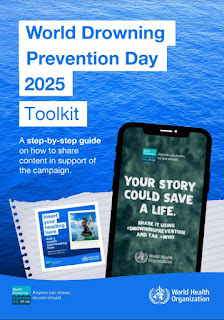
FORUM: “Drowning prevention through shared experiences.” World Drowning Prevention Day 2025. Water is an integral part of our lives. It gives us life, but it can also take it away. While no one is immune, the stark differences between drowning rates in the highest risk countries and lowest risk countries show that drowning is not inevitable. Currently over 90% of global drowning occurs in low- and middle-income countries. And in high-income countries, drowning rates among certain age groups and among minority ethnic groups are also very high and need attention. Inform those you engage with during World Drowning Prevention Day – whatever the nature of drowning in your setting – that anyone can drown, and no one should. Drowning has claimed over 3 million lives in the past decade - mostly children and youth - demanding urgent action now. The progress we’ve made in drowning prevention is encouraging, but the truth is that: Every hour of every day, more than 30 people are still losing their lives to drowning. That’s over 300,000 people a year. This World Drowning Prevention Day, we’re sharing powerful stories about change-makers from around the world who are helping to save lives and prevent lifelong disabilities caused by drowning. From teaching communities about water safety to developing national drowning prevention plans, their combined efforts have helped to keep people safe around water. Join the voices around the world who are helping to raise awareness about drowning prevention. Follow the conversations with the hashtags: #keeppeoplesafearoundwater, #DrowningPrevention, #25July.
EVENTS: On July 25th, Stay tuned to Watch the World Drowning Prevention Day 2025 celebrations in Australia marking the 25+ years of water safety strategy, in Brazil, How surfers are saving life, in Bangladesh, How Bangladesh’s Anchals are preventing childhood drowning, in Finland, making winter safer for children and their families, in Uganda, from testimony to strategy. Together, let’s make every 25 July an international opportunity to create change locally, nationally, regionally and globally on this preventable cause of mortality. Any one can drown, no one should.
SURVEY: Drowning is preventable, and is not something for which society should be prepared to adopt a fatalistic attitude. We know it is preventable using solutions that are effective, cost-effective, and scalable. Have your say on WHO campaigns; Help WHO improve the impact of our public health campaigns by responding to this survey. Take the survey!


.gif)